




Being scared of specific things or situations
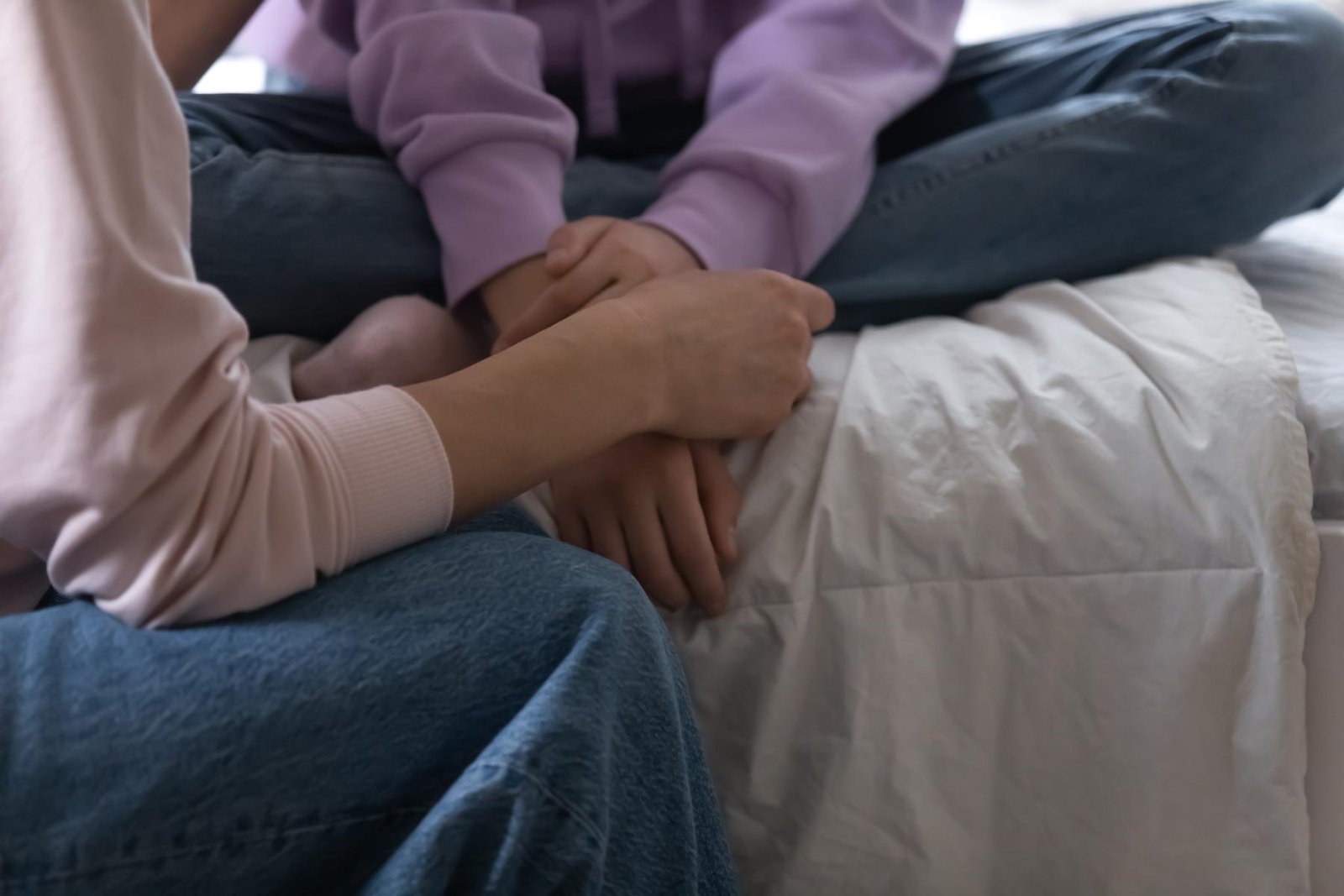
Fear is when you feel scared because you think something is dangerous. Sometimes, we get scared of things that are not really harmful. Just being near what we fear or thinking about it can make us feel worried. Even if someone says “you’re overreacting,” your body might react as if the danger is serious: your heart races, breathing becomes difficult, and you feel like running away or hiding. This isn’t a whim or a lack of courage. When fear becomes this strong, it can cause a lot of suffering.
It is normal to feel afraid sometimes. Almost everyone shows some kind of fear now and then.
What is typical?
We all have fears sometimes. Fears can change depending on what’s happening in our lives. Here are some common fears:
- Loud noises
- Strangers
- Storms
- Being away from parents
- Ghosts or monsters
- Getting hurt or sick
- Violence
- Tests or schoolwork
- How we look
- Feeling embarrassed
We show fear in different ways. We might cry, feel nervous, freeze, cling to someone, or avoid what scares us. Sometimes, we do not realize our fears are too big or not real. Fear can make our heart race, make it hard to breathe, or make us dizzy. Fears are part of our lives and help protect us from real dangers. You should only worry about a fear if you feel that it is preventing you from experiencing moments that could be positive for you.
When should I be concerned?
Fears are normal, but they should not stop you from doing things you like.
- Example 1: It is natural to feel uncomfortable in high places, but avoiding climbing stairs or crossing a walkway is a warning sign.
- Example 2: It’s natural to dislike needles, but not being able to get tests or vaccines because of this fear can be a cause for concern.
Specific fears:Pay attention if you have strong fears of:
- Animals (like dogs, spiders, bugs, snakes, or birds)
- Small, closed spaces (like tight rooms, elevators, or closets)
- High places (like bridges, roofs, or tall buildings)
- Seeing blood, dentists, or injections
- Storms, strong winds, or being near open water
- People in costumes (like clowns)
- Transportation (like planes, cars, or buses)
- Monsters, ghosts, or aliens
If you identify with any of these, know that you don’t have to go through this alone. Fear doesn’t have to take over your life. If it’s difficult to cope, it’s a sign that you deserve support.
What can I do if I (or a friend) struggle?
If you have too many fears, here are some things to try:
- Ask for help: Talk to a parent, family member, or another trusted adult. Sharing your feelings can bring relief.
- Understand fear: When we face something scary, our brain’s “alarm” goes off, even when there’s no real danger. This is why your heart beats faster, your breathing gets quicker, and your muscles get tense.
- Face your fears slowly: Facing what scares you helps reduce fear over time. If you’re afraid of a new school, visit it before your first day.
- Set small goals: Start small. If you’re afraid of being home alone, slowly increase the time you spend alone during the day.
- Do not let fear rule: Avoiding fears makes them stronger. Facing them, even slowly, builds confidence.
- Breathe and relax: Simple breathing or stretching techniques can help calm your body when fear strikes.
- Use empowering thoughts: Phrases like “I can try” or “this fear doesn’t control me” can give you more confidence.
- Be patient with yourself: Overcoming fears takes time. Every small step counts. The important thing is to keep trying without putting too much pressure on yourself.
It doesn’t have to be all at once. Every step counts. And remember: there’s nothing wrong with you for feeling afraid. Fear doesn’t define you.
What kind of professional support can I seek out?
It’s common to feel embarrassed or guilty about having too many fears. But there is support and help available.
You can share your difficulty with a professional at your school, or a doctor, such as a pediatrician, general practitioner, or a professional at your nearest Basic Health Unit (UBS). This professional will listen to you, understand what’s going on, and, if necessary, refer you to a psychologistor psychiatrist. These specialists can help you understand where your fear comes from and how to face it more confidently.
Asking for help isn’t a weakness; it’s a way of taking care of yourself.
Public services are also available through the Unified Health System (SUS). You can find support at places like your local Basic Health Unit (UBS), Child and Adolescent Psychosocial Care Centers (CAPS i), and public outpatient clinics.
Onde encontrar
mais informações
Saiba como funciona o SUS para saúde
mental de crianças e adolescentes.
What did you
think of the guides?
Tell us what you think of the guides! Your feedback can help us improve them. Is there a topic you’ve been looking for and haven’t found?