




Being aggressive, damaging or taking things that belong to others, or lack of care for others’ feelings
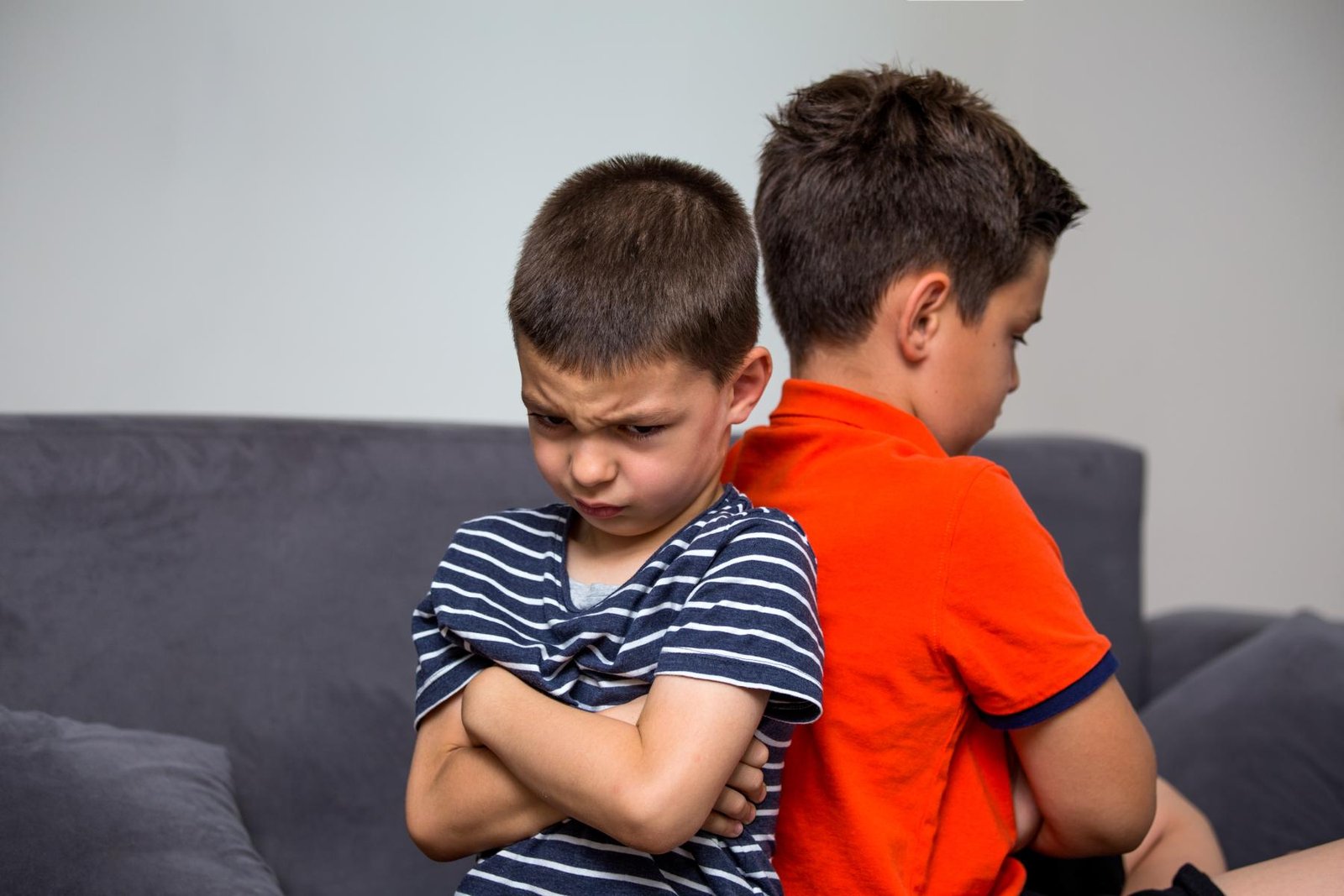
Some students may show behaviors that are more than just acting out or simple impulsive reactions. They might be aggressive, damage things, or take things that aren’t theirs. They may also not seem to care about others’ feelings. These actions can be very upsetting for educators and others around them.
It’s important to know that these behaviors are not just normal mischief, “indiscipline,” or “age-typical rebellion.” They can be signs that the student needs help, especially when they are recurrent and cause significant damage to the school and social environment. With the right support, students can learn to manage their actions and understand how they affect others.
What is typical?
It’s normal for students to sometimes break rules or get upset. This is part of the process of learning to deal with strong emotions, rules of coexistence, and boundaries. Younger students usually follow rules more, but older students might test limits at school. This is a part of growing up. Even some aggressive actions are normal. For example, young students might hit when they are upset because they want something right away. It’s also common for students to argue over small things on the playground. These behaviors usually don’t happen in other situations, are temporary, and are a normal part of development that improves with adult intervention.
- By age 3: Students may start to test boundaries by saying “no” or refusing to share toys, as they are still learning to control impulses.
- Between ages 4 and 5: Students might argue with friends but can be redirected with guidance and are beginning to understand simple rules of coexistence.
- By age 6: Students begin to understand rules better and can follow them with reminders. They understand that hitting or taking things from others hurts them.
- Between ages 7 and 8: Students may occasionally talk back to adults but usually understand the consequences of their actions. They can apologize and make amends when guided.
- By age 9: Students can follow rules at home and school, though they might still argue with peers. They are more aware of the impact of their actions on others.
- Between ages 10 and 12: Pre-teens may test limits more as they seek independence but can be reasoned with and learn to reflect through dialogue.
- By age 13 and 14: Teens might challenge authority but can understand and discuss more complex social rules and consequences.
When should I be concerned?
There are several signs that show a student may be having difficulties with aggression or caring for others. These signs can be different based on the student’s age.
- Threatening behavior: The student may threaten to harm people or animals.
- Physical aggression: The student may start fights or use objects to hurt others.
- Damaging property: The student may break things that belong to others or set fires on purpose.
- Stealing or lying: The student may take things without permission or lie to get what they want.
- Lack of remorse: The student may not feel sorry after hurting someone, an animal, or breaking rules.
- Trouble with emotions: The student may have difficulty controlling their feelings and get frustrated easily.
- Skipping school: The student may skip classes or stay out late without permission.
- Problems with relationships: The student may have trouble getting along with family or friends.
Sometimes, aggression happens without rule-breaking and should be checked out. Students might be aggressive because they have trouble controlling their emotions, get frustrated easily, act without thinking, or are dealing with stress, like family changes or moving. The persistence of these behaviors, even after school interventions, indicates a deeper issue. If such behaviors affect the learning and safety of the class, it’s essential to act quickly to prevent them from worsening.
What can I do to help?
As an educator, remaining patient and supportive of a student with these difficulties is key. Here are some things you can try:
- Be a role model.Show good behavior by staying calm and using a soothing voice. Students learn by watching adults.
- Create a structured environment.Establish a predictable routine and clear expectations for behavior. This helps students feel secure and understand what is expected of them.
- Talk about it.Ask your student simple questions to understand what’s bothering them. This can help them express their feelings and feel heard.
- Stick to the rules.Ensure that rules are clear and consistently enforced. Consistency helps students understand boundaries and the importance of following them.
- Praise good behavior.Recognize when your student follows the rules or behaves well. Positive reinforcement encourages them to repeat good behavior.
- Teach problem-solving.Help your student find other ways to deal with problems. Encourage them to think of solutions and try them out.
- Use de-escalation techniques.Learn and apply techniques to calm students during moments of heightened emotion. This can prevent situations from escalating further.
- Foster peer relationships.Encourage positive interactions and teamwork among students. Building friendships can improve social skills and reduce feelings of isolation.
The central expectation is not to “eliminate” problematic behaviors overnight, but to reduce their frequency and intensity, while developing social and emotional skills that allow the student to interact in a healthier way.
What kind of professional support can I seek out?
The first step is to talk with the family and suggest they speak with specialized professionals, such as a pediatrician, psychologist, or psychiatrist, depending on the student’s needs.
You can also inform families about free support available through the Unified Health System (SUS). Care often begins at the nearest Basic Health Unit (UBS), which can refer them to specialized services. These may include Child and Adolescent Psychosocial Care Centers (CAPS i), Medical and Psychosocial Specialty Centers, and outpatient clinics at university or regional hospitals.
Remember, advising a family to seek professional support is not a sign that the school has failed. Instead, it is a collective care strategy that recognizes the complexity of the issue and increases the chances of positive change for everyone.
Short Guides
Being aggressive, damaging or taking things that belong to others, or lack of care for others’ feelingsOnde encontrar
mais informações
Saiba como funciona o SUS para saúde
mental de crianças e adolescentes.
What did you
think of the guides?
Tell us what you think of the guides! Your feedback can help us improve them. Is there a topic you’ve been looking for and haven’t found?