




Being scared of specific things or situations
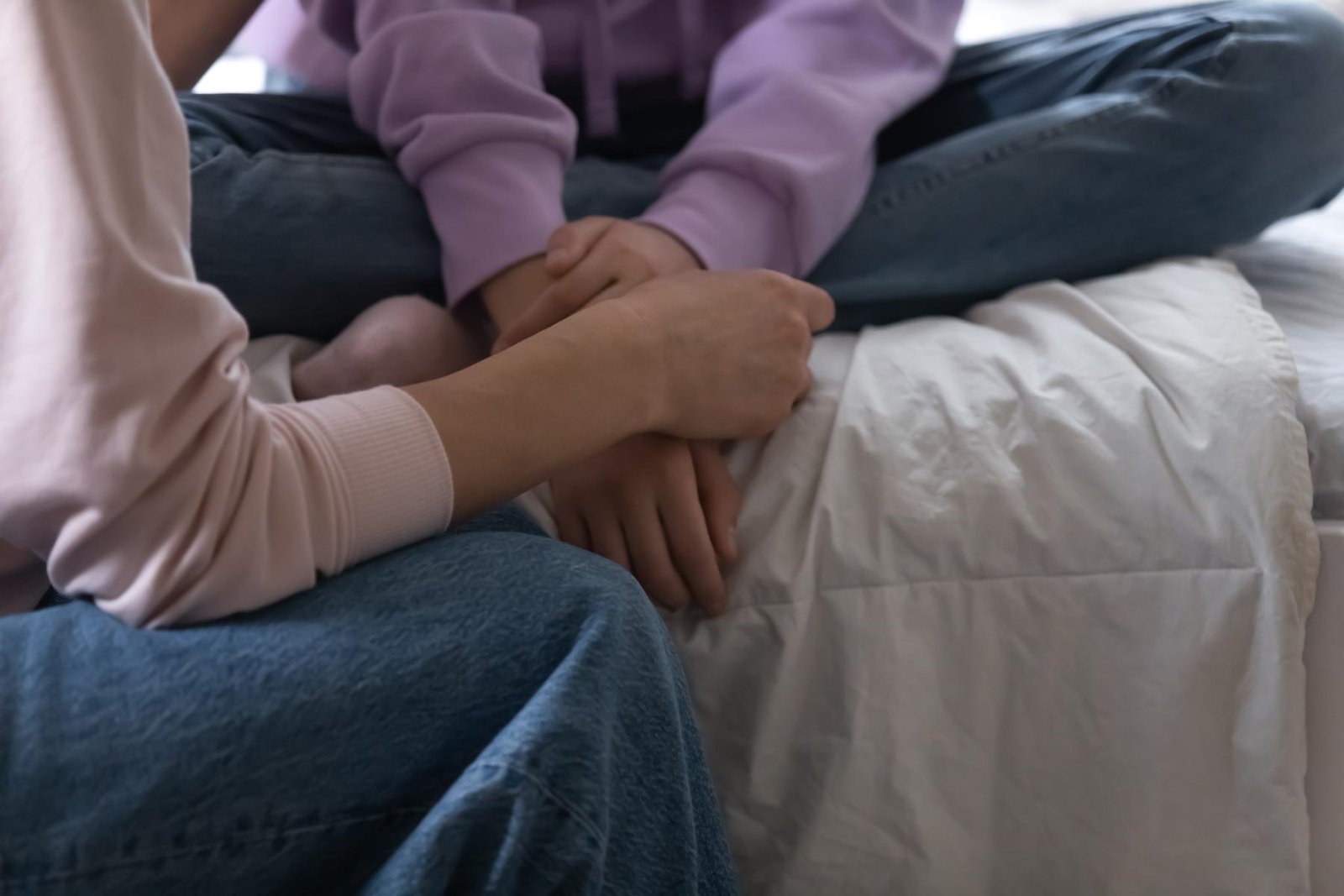
Fear happens when we face something that seems dangerous, even if it sometimes isn’t. It’s common for kids to feel scared and worry about things that are not really threatening. Thinking about what they fear or being around it makes them anxious.
It’s normal for kids to have some fears as they grow up. Some fears are more common at certain stages, such as fear of the dark, thunder, or animals. It’s actually unusual for a child to have no fears at all.
What is typical?
Children have different fears as they grow. Here’s what you might expect at different ages:
- Birth – 6 months: Loud noises, losing support, quick position changes, and unfamiliar objects.
- 7-12 months: Strangers, sudden objects, and unfamiliar people.
- 1-5 years: Strangers, storms, animals, the dark, being away from parents, loud noises, toilets, monsters, ghosts, insects, and getting hurt.
- 6-12 years: Supernatural beings, getting hurt, diseases (like AIDS, cancer), burglars, being alone, failing, being criticized, and punishment.
- 12-18 years: School tests, performance, looks, peer pressure, sports, and social embarrassment.
Kids show fear by crying, being nervous, freezing, clinging to adults, or avoiding what scares them. They might not realize their fears are too much or talk about them.
Teenagers usually know their fears do not make sense. Their fears focus on certain things or situations and can cause physical reactions like fast heartbeats, dizziness, or shortness of breath.
It is expected that a child or adolescent will be able to face these fears gradually, especially with the support of adults who reassure them. Overcoming these fears helps them grow and feel more confident.
When should I be concerned?
While fears are normal, they should not stop kids from enjoying activities. The expectation is that fears will be proportional to the actual risk, will lessen over time, and will not prevent participation in daily activities. Here are some examples of when a fear might be a concern:
- It’s normal to be scared of climbing a jungle gym, but it’s worrying if they avoid playgrounds altogether.
- It’s typical to fear dogs but concerning if they cannot visit a family member with a dog.
- It’s normal for teens to be nervous about social events but concerning if they avoid them entirely.
- Many children are afraid of insects, but refusing to play in the garden for fear of a butterfly could be a warning sign.
- Feeling uncomfortable in high places is expected, but avoiding climbing stairs can be a concern.
Some specific fears to watch for include:
- Dogs, spiders, bugs, snakes, birds, or other animals
- Small, closed, or dark places like tight rooms, elevators, caves, or closets
- High places like bridges, roofs, balconies, or tall buildings
- Seeing blood, going to a dentist, or getting an injection
- Thunderstorms, heavy winds or rain, or being near open water like a sea, lake, or river
- People in costumes like clowns
- Certain types of transportation like planes, cars, buses, boats, or trains
- Monsters, ghosts, aliens, or magicians
What can I do to help?
As a caregiver, you can try these things to help your child with excessive fears:
- Talk and Listen.Discuss their fears calmly and listen to them. Even if a fear seems exaggerated to you, it is very real to your child. Avoid laughing, ridiculing, or saying “that’s nonsense.” Acceptance is the first step.
- Problem-Solve.Help them think about why they’re scared and find realistic ways to worry less.
- Provide Security.Reassure them you’ll keep them safe.
- Teach About Fear.Explain that fear is like an alarm in the brain, making them feel scared, even when there’s no real danger.
- Face Fears Together.Support your child in facing their fears. For example, visit a new school together before the first day.
- Set Goals.Make small steps to face fears. If they need you to stay until they fall asleep, gradually encourage them to sleep on their own.
- Avoid Avoidance.Do not let your child completely avoid their fears, but respect their timing. Avoidance makes anxiety worse over time. Helping them face fears gradually builds confidence.
The sooner help is available, the less impact the fear can have on a child’s development and self-esteem. The key is listening with sensitivity and being supportive.
What kind of professional support can I seek out?
It is normal for caregivers to feel worried if their child has a lot of fears. If you are worried, there is help available.
You can start by talking to your child’s pediatricianor family doctor. There are also several types of professionals you can talk to if you have concerns, including a school psychologist. They can refer you to other specialists, like mental health professionals. Mental health professionals work with children directly and can also work with caregivers so they can support their children better. With specialized support, it is possible to help children understand their feelings and find strategies to deal with their fear.
You can also find free support through the Unified Health System (SUS). Care often begins at your local Basic Health Unit (UBS). Other services include Child and Adolescent Psychosocial Care Centers (CAPS i), specialty centers, and clinics at university hospitals.
Onde encontrar
mais informações
Saiba como funciona o SUS para saúde
mental de crianças e adolescentes.
What did you
think of the guides?
Tell us what you think of the guides! Your feedback can help us improve them. Is there a topic you’ve been looking for and haven’t found?