




Body image concerns
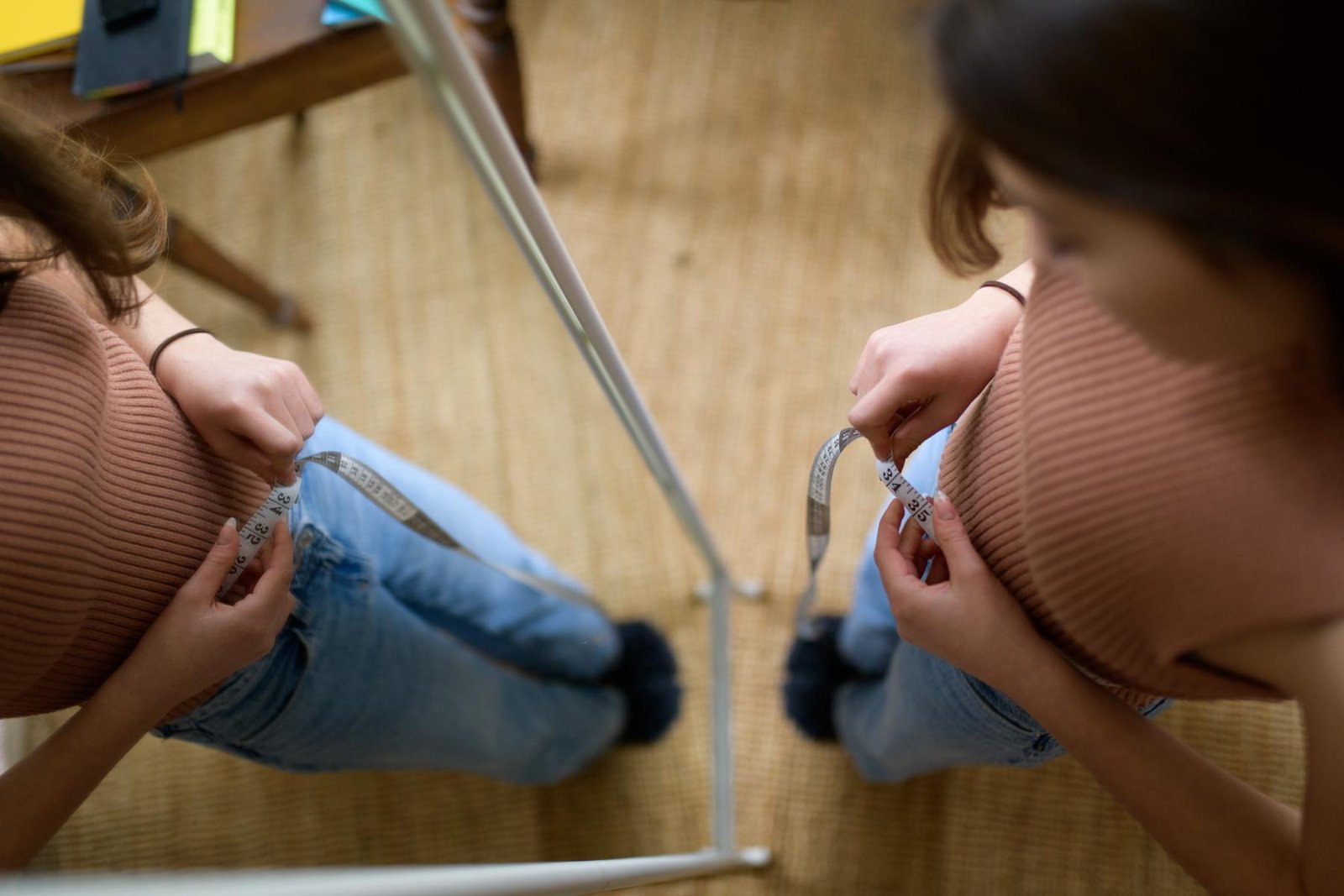
We all look different. Everyone has different genes and cultural traits that shape how our bodies grow, our bone structure, body size, shape, and weight. Over time, we form an idea of what our body looks like and what we think and feel about it. Many messages we get about what kind of bodies are desirable or good—from compliments, criticisms, conversations with friends, social media, or the media—can change how we see our own bodies, known as body image.
What is body image?
Body image is how we see our bodies when we look in the mirror or imagine ourselves. It includes our feelings, thoughts, and beliefs about our appearance. This can be good or bad. It can also be different from what others see or think.
Why body image matters
We live in a world that places a lot of importance on appearance. Sometimes it can feel like if you don’t fit a certain physical standard, you won’t feel included. This can affect your self-esteem and how you feel about yourself.
What is typical body image?
Most of us worry about how we look. Your body changes a lot during your teen years (hair grows, your voice changes, etc.), and it’s common to want to adjust your appearance with clothes, hair, or makeup. Our view of our bodies can change because of these physical changes and what our friends and social media say is the “perfect” body.
- It’s normal to sometimes want to change our looks with hair styling, makeup, clothes, and accessories.
- Small worries or insecurities about appearance are normal. Everyone experiences them at some point.
- The problem is when these thoughts become an obsession, and you start to feel bad about your body all the time or try to change it in extreme ways.
When should I be concerned?
Some of us have unrealistic views of how we look. When we have a negative body image, we might keep our thoughts secret or talk a lot about what we do not like. Both are unhealthy.
We should not be obsessed with our looks. If we are, it might mean we have an unrealistic body image. This means others might see a healthy person, but we see something very different. Even if family or friends tell us we look fine, it might not change how we feel.
Other concerning behaviors:
- Being almost always unhappy with your body, even when other people say it’s fine.
- Spending a lot of time looking in the mirror or avoiding looking at yourself because you don’t like what you see.
- Avoiding leaving the house, going to school, or doing certain activities because of embarrassment about your appearance.
- Using supplements or steroids to change your body quickly.
- Exercising too much, like excessive weightlifting.
- Worrying too much about skin, hair, and facial features.
- Feeling unattractive, inadequate, or “out of the norm.”
- Checking for flaws in mirrors or photos often.
- Having low self-esteem, emotional ups and downs, and trouble with social situations.
What can I do if I (or a friend) struggle?
It can be hard to deal with body image problems. Here are some things to try:
- Ask for help: Talk to a parent, family member, teacher, or another trusted adult. Talking about what’s happening can bring relief.
- Be kind to yourself: All bodies are different, and that’s a good thing! Instead of criticizing yourself, try to appreciate what your body does for you every day.
- Avoid comparisons: What appears on social media isn’t always real. Remember that photos and videos are often edited or filtered and don’t show real life.
- Healthy habits: Exercise, eat well, and do things you enjoy. This helps strengthen both your body and mind.
- Do things you’re good at: This can build confidence and helps you remember what makes you feel good.
- Focus on qualities beyond appearance: Focus on your skills, interests, and attitudes that are important and have nothing to do with your body.
- Positive self-talk: Avoid putting yourself down. How you talk about yourself matters.
- Listen without judgment: If a friend is going through this, listening respectfully and without criticism can make a big difference. You don’t need to have all the answers; just being there is important.
What kind of professional support can I seek out?
If you have body image problems, there is help available. It might be embarrassing to talk about, but asking for help is a sign of strength, not weakness.
A good way to start is by talking to someone close to you or a professional at your school. You can also talk to a doctor, like a pediatrician, general practitioner, or a professional at your nearest Basic Health Unit (UBS). You don’t have to have everything “explained.” Just say that you’re not feeling well about your body. They can refer you to other specialists, including mental health professionals.
Remember: asking for help means you’re taking care of your mental health, just like you would a physical injury. You deserve to feel good and confident again.
Public services are also available through the Unified Health System (SUS). You can find support at places like your local Basic Health Unit (UBS), Child and Adolescent Psychosocial Care Centers (CAPS i), and public outpatient clinics.
Onde encontrar
mais informações
Saiba como funciona o SUS para saúde
mental de crianças e adolescentes.
What did you
think of the guides?
Tell us what you think of the guides! Your feedback can help us improve them. Is there a topic you’ve been looking for and haven’t found?