




Body image concerns
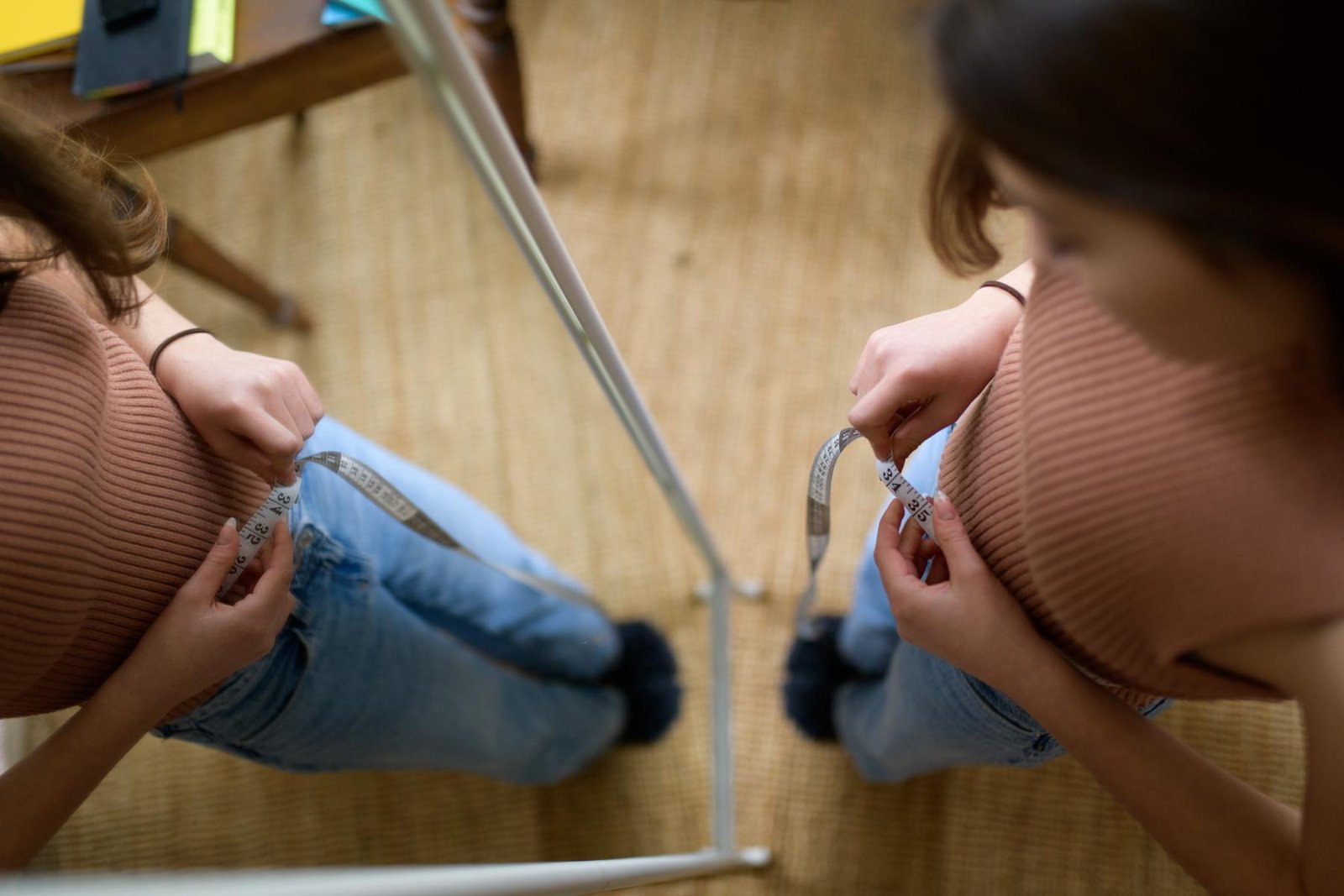
People look different from one another. Everyone has different genes and cultural backgrounds that affect their growth, bone structure, body size, shape, and weight. Throughout life, various messages about ideal body features influence how people view their own bodies, known as body image.
Some children and adolescents develop an intense and persistent concern about their appearance, believing that there is a serious defect in one or more parts of their body, even if others do not notice anything unusual. This perception is often distorted: what the young person sees in the mirror doesn’t match reality. This problem isn’t due to excessive vanity, but rather a change in the way the mind interprets body image, which can cause real emotional distress.
What is body image?
Body image is how people see their own bodies when they look in a mirror or imagine themselves. It’s a mix of feelings, thoughts, and beliefs about their appearance. Body image can be positive or negative and may be the same or different from what others see.
Why body image matters
In today’s world, with social media and an exaggerated emphasis on appearance, physical appearance gets a lot of attention. This can affect how children and especially teens feel about themselves. Their body image can directly impact their well-being, self-esteem, mood, and even eating behaviors.
What is a typical body image?
Many children and almost all teenagers worry about how they look. Adolescence brings many physical changes, relationships with peers, and social media messages about the ‘ideal’ body. Teens might change their look using hair styling, makeup, clothing, and accessories. Some dissatisfaction with their appearance is normal. However, extreme focus on looks and constant attempts to change them need attention.
When should I be concerned?
Some children and teens have unrealistic views of their bodies. Those with negative body images may keep their thoughts about their looks secret or openly talk about what they dislike. Both can be harmful.
Caregivers should watch for children and teens who seem overly focused on their appearance. These kids may see themselves very differently than how others see them. Family or friends’ reassurances might not change their mind.
Other signs of concern include:
- Talking badly about their own body frequently
- Always trying to hide parts of their body
- Comparing themselves to other people all the time
- Using nutritional supplements or steroids without medical advice
- Excessive exercising like weightlifting to change the body quickly
- Fixation on skin scars or facial features (e.g., overuse of makeup, tanning salons)
- Feeling unattractive or inferior because of their body
- Constantly checking perceived flaws in mirrors or photos
- Never seeming to be satisfied with their appearance
- Low self-esteem and emotional problems
These signs indicate that body image may be harming the child or adolescent’s emotional health and well-being.
What can I do to help?
Caregivers know their children best. If you think your child has negative thoughts about their looks, try these steps:
- Be supportive.Let your child know you notice their behavior and ask how they feel. Show that you’re available to listen without judgment.
- Talk to your child.Understand their feelings by asking simple questions and listening to their perspective.
- Focus on health, not appearance.Emphasize that a healthy and functioning body matters more than aesthetic standards. Eating well, sleeping, and feeling good are the most important things.
- Highlight other qualities.Draw attention to their personality, talents, or achievements that are not related to appearance.
- Avoid criticism.Do not criticize their appearance or share your own body concerns in front of them, as this can increase insecurity.
- Provide positive role models.Speak positively about your own body and body diversity. Show that all bodies are different and that’s okay.
- Discuss social media.Have conversations about how images on social media are often edited and do not reflect reality.
- Do not support extreme measures.Avoid helping with extreme measures to change their appearance, like visits to plastic surgeons, radical diets, or using medications to alter their body.
Building a healthier relationship with one’s own image takes time and requires patience.
What kind of professional support can I seek out?
Caregivers might feel embarrassed or guilty if their child has body image issues. However, support is available.
Talk to your child’s pediatricianor family doctor. They can refer you to other specialists, such as mental health professionals. Mental health professionals can help both the child and the caregivers. They can work with you to support your child at home and in therapy.
You can also find free support through the Unified Health System (SUS). Care often begins at your local Basic Health Unit (UBS). Other services include Child and Adolescent Psychosocial Care Centers (CAPS i), specialty centers, and clinics at university hospitals.
Onde encontrar
mais informações
Saiba como funciona o SUS para saúde
mental de crianças e adolescentes.
What did you
think of the guides?
Tell us what you think of the guides! Your feedback can help us improve them. Is there a topic you’ve been looking for and haven’t found?