




Body image concerns
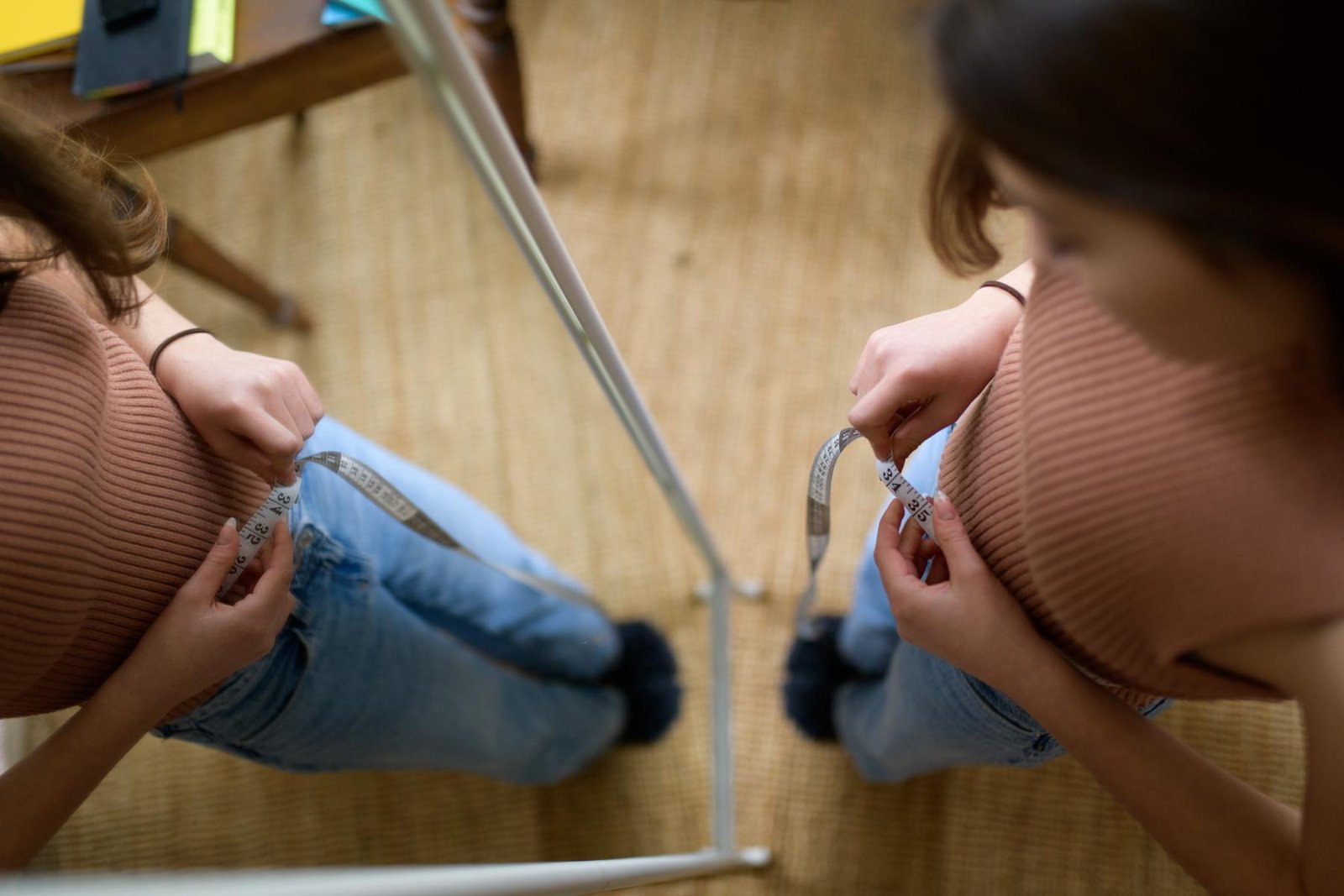
People look different from each other. Our genetics and culture change how we grow, our bones, body size, shape, and weight. Throughout life, we get many messages about what the perfect body should look like. These messages affect how we see our own bodies, or our body image.
The school environment, where appearance is often the subject of comparison, can make the problem worse. Comments, even if made in jest, can be interpreted negatively. Furthermore, social media and unrealistic beauty standards increase this pressure. This situation isn’t just about vanity; it’s a mental health issue that impacts self-esteem, academic performance, and participation in activities.
What is body image?
Body image is how you see yourself when you look in the mirror or think about yourself. It includes your feelings, thoughts, and beliefs about your looks. This can be positive or negative and may differ from what other people see or think about you.
Why body image matters
In a world that cares a lot about looks, students’ and teens’ body images can affect their happiness, self-esteem, behavior, and even academic performance.
What is a typical body image?
Most students and almost all teens worry about how they look in some way. This worry can be because of how their bodies change during teenage years, the need to fit in with friends, and messages from social media about the “perfect” body. Teens might try to change their looks with hairstyles, makeup, clothes, and accessories. Some level of worry about appearance is normal. But too much focus on their looks and extreme attempts to change it should be taken seriously.
When should I be concerned?
Some students have very unrealistic ideas about how they look. They might keep their thoughts and efforts to change their appearance a secret or talk a lot about what they do not like about themselves. Both of these behaviors can be unhealthy.
Teachers may notice if a student is too focused on their appearance. These students might see themselves very differently than how others see them. Even if family or friends say there’s nothing wrong with their looks, it might not change how they feel.
Other concerning behaviors include:
- Becoming obsessed with specific body parts
- Talking badly about their own appearance or avoiding photos
- Isolating themselves or not participating in activities due to body shame
- Using nutritional supplements and steroids
- Over-exercising (like weight lifting) in a compulsive manner
- Worrying too much about scars, hair, or face features (like using too much makeup to hide something)
- Feeling unattractive
- Checking mirrors or taking photos of themselves a lot
- Low self-esteem, mood swings, and trouble interacting with others
- Frequently asking to leave the classroom without a clear reason
- Discomfort or refusal to speak in front of the class or participate in social interactions
What can I do to help?
Teachers can play an important role in promoting a healthy body image. If you’re worried about a student with a negative body image, here are some ways you can help:
- Be supportive: Let the student know you recognize their feelings and are there to listen and support them. If you notice worrying behavior, approach the student cautiously.
- Talk about it: Ask open-ended questions to understand their perspective and how they’re feeling about their body image. Listen without judgment.
- Focus on qualities and skills: Emphasize the importance of a healthy lifestyle and the benefits of taking care of their body. Acknowledge and praise the student’s effort, kindness, creativity, and other strengths not related to appearance.
- Avoid reinforcing appearance standards: Do not comment on students’ or other people’s weight, body shape, or appearance, not even in a joking tone. These comments can reinforce insecurities.
- Inform caregivers: Share your observations with the student’s caregivers carefully and collaboratively so they can provide support at home.
- Consult with school support staff: Talk to the school counselor, psychologist, or social worker for guidance and resources. If your school doesn’t have these professionals, seek out another trusted adult on the school staff.
- Promote a positive body image in the classroom: Encourage respect for diversity and intervene if you witness offensive comments about someone’s body.
- Be an example: Teachers also influence how students perceive their bodies. Managing your own self-talk and attitudes makes a difference.
What kind of professional support can I seek out?
The first step is to talk with the family and suggest they speak with specialized professionals, such as a nutritionist, pediatrician, psychologist, or psychiatrist. Body image issues often require a multidisciplinary approach, so a team of specialists may be involved.
You can also inform families about free support available through the Unified Health System (SUS). Care often begins at the nearest Basic Health Unit (UBS), which can refer them to specialized services. These may include Child and Adolescent Psychosocial Care Centers (CAPS i), Medical and Psychosocial Specialty Centers, and outpatient clinics at university or regional hospitals.
Within the school, you can also propose discussion groups and workshops on topics like body image, nutrition, and self-esteem with the support of experts. Remember, the sooner a referral is made, the greater the student’s chances of improvement.
Onde encontrar
mais informações
Saiba como funciona o SUS para saúde
mental de crianças e adolescentes.
What did you
think of the guides?
Tell us what you think of the guides! Your feedback can help us improve them. Is there a topic you’ve been looking for and haven’t found?