




Bullying
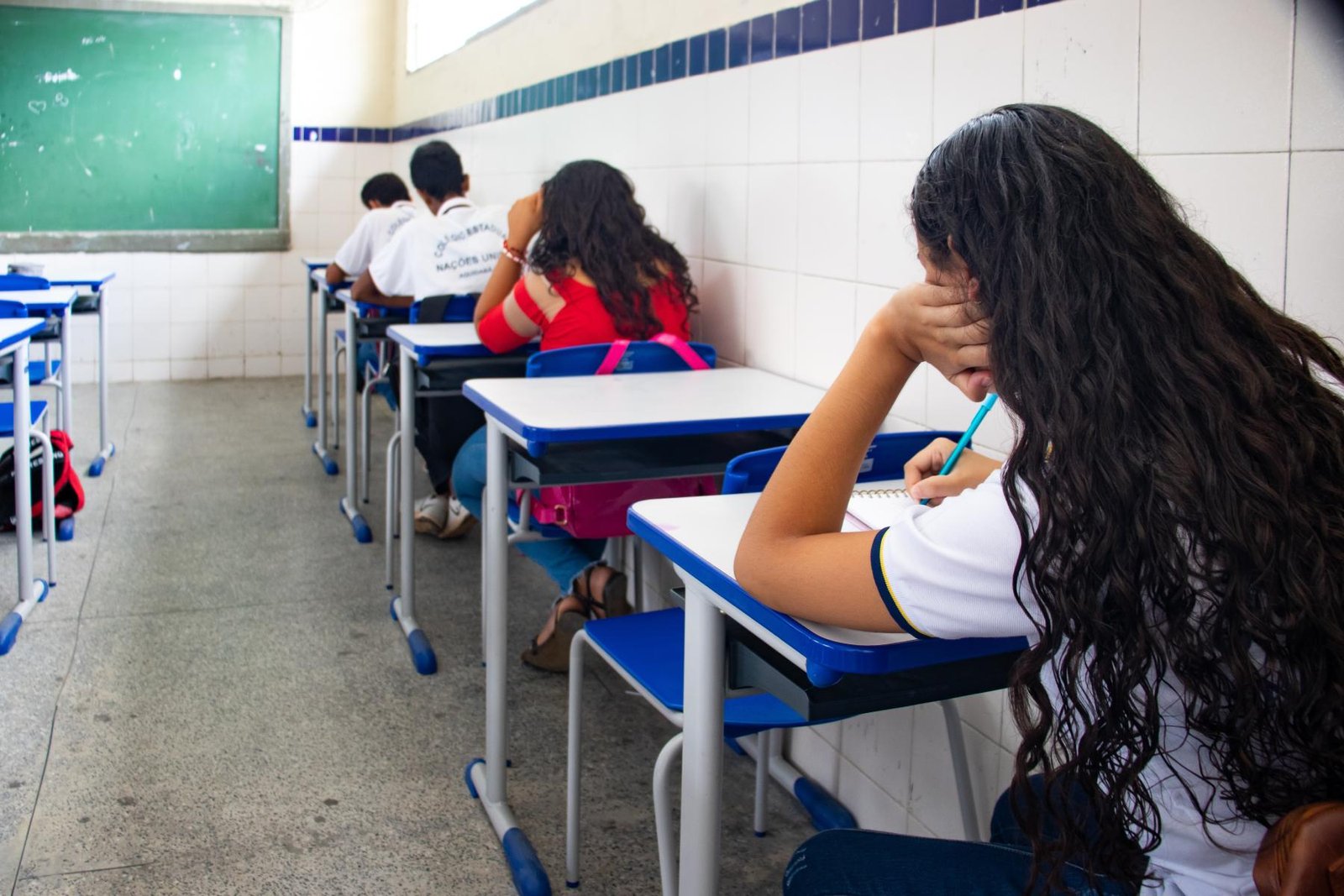
Peers play very important roles in the social and emotional development of students. Relationships with peers provide a special context in which students learn many skills, such as cooperation and empathy. Peer influence starts early and grows stronger as students get older. As students begin developing independence from their parents and start understanding who they are, peers become a significant source of social and emotional support, and pivotal in building a sense of belonging.
It is natural, healthy, and important for students to have and rely on friends as they grow up. However, just as good relationships with peers are crucial for their development and wellbeing, peer conflicts and negative relationships can cause a lot of distress. When students experience systematic aggression or intimidation from others, it is called bullying. It is important to understand that students who are victims or aggressors are suffering, and the school environment can amplify or reduce this impact.
What is typical?
Painful or embarrassing social experiences are a part of growing up, and almost everyone has been teased. Learning how to bounce back from these interactions is a useful skill for students. However, being bullied or bullying others should not be ignored because it can have long-lasting negative emotional effects.
Teasing and aggressive behaviors toward peers become bullying when:
- There is a power difference.Bullying is done by someone who has more power (like more strength, popularity, or money) over someone who has less.
- There is an intention to cause harm.Bullying can include physical attacks, verbal threats, spreading rumors, or leaving someone out on purpose.
- It is repeated.Bullying happens again and again, not just once.
- It causes harm.If teasing or meanness affects a child’s well-being or daily life, it’s bullying.
Students do not usually bully because they are bad people. Some reasons students may bully others include:
- They want to fit in with friends who are bullying someone.
- They are getting bullied themselves at home or school.
- They want attention from others to feel important.
- They are impulsive and haven’t learned good ways to handle their impulses.
- They feel threatened by the presence or success of other children.
- They think others are mean to them, even if they are not.
- They do not understand how much their behavior hurts others.
What is cyberbullying?
Cyberbullying is bullying that happens online. It involves psychological abuse like intimidation, threats, humiliation, or stalking, done repeatedly through electronic means like social media or chat rooms.
Cyberbullies often hide behind screens and fake identities, making it harder for victims to defend themselves. The impact of bullying and cyberbullying goes beyond the moment it occurs: it affects self-esteem, academic performance, social relationships, and emotional health. Students who experience these situations may feel afraid to go to school, sad, anxious, angry, or even embarrassed to share what’s happening.
When should I be concerned?
Conflicts and disagreements between students are natural, but it is not expected when humiliation, aggression, or exclusion are repeated and intended to harm. Even though most students involved in bullying do not ask for help, there are warning signs.
Signs a student might be bullied or cyberbullied:
- Lost or damaged clothes, books, or belongings
- Unexplained cuts, bruises, or scratches
- Having few or no friends, or suddenly losing friends
- Being scared to go to school or making excuses not to go
- Frequent headaches, stomach aches, or faking illness
- Lower grades and loss of interest in school
- Sadness, anxiety, low self-esteem, irritability, or depression
- Trouble sleeping or frequent bad dreams
- Changes in eating habits, like loss of appetite or overeating
- Self-destructive behaviors like running away, self-injury, or talking about suicide
Signs a student might be bullying or cyberbullying others:
- Getting into fights
- Having friends who bully others
- Being overly aggressive
- Frequently sent to the principal’s office or detention
- Having extra money or new things without explanation
- Blaming others for their actions and may lie to gain an advantage
- Little or low tolerance for rules
- Worrying too much about reputation or popularity
What can I do to help?
If you are a teacher and see possible bullying situations in your school, here are a few things you can try:
- Open communication: Talk to the students involved to understand the situation. Avoid making assumptions or intervening before fully understanding the dynamics.
- Gather information: Talk to the students involved to understand the situation without interrupting. Avoid immediately trying to solve the problem before understanding everyone’s perspective.
- Establish clear classroom rules: Create and enforce rules against bullying, involving students in discussions about respectful behavior and consequences.
- Offer support and empathy: Let students know you care and are there to help.
- Ask students what kind of help they need.Discuss with students what can be done to help them handle the situation.
- Inform caregivers: Contact the student’s caregivers to share your observations and discuss strategies for addressing the bullying.
- Collaborate with school support staff: Consult with the school counselor, psychologist, or social worker for guidance and resources.
What kind of professional support can I seek out?
As an educator, you play a crucial role in guiding families. Start by talking to the families of all students involved in bullying, explaining your observations calmly and patiently.
You can suggest they speak with specialized professionals, such as a pediatrician, family doctor, psychologist, or child psychiatrist.
You can also inform families about free support available through the Unified Health System (SUS). Care often begins at the nearest Basic Health Unit (UBS), which can refer them to specialized services. These may include Child and Adolescent Psychosocial Care Centers (CAPS i), Medical and Psychosocial Specialty Centers, and outpatient clinics at university or regional hospitals.
It is also helpful to remind caregivers that mental health professionals can assess the impact of bullying and work with the entire family to develop prevention and coping strategies.
Onde encontrar
mais informações
Saiba como funciona o SUS para saúde
mental de crianças e adolescentes.
What did you
think of the guides?
Tell us what you think of the guides! Your feedback can help us improve them. Is there a topic you’ve been looking for and haven’t found?