




Difficulties following rules or annoying others on purpose, and feeling angry or irritable
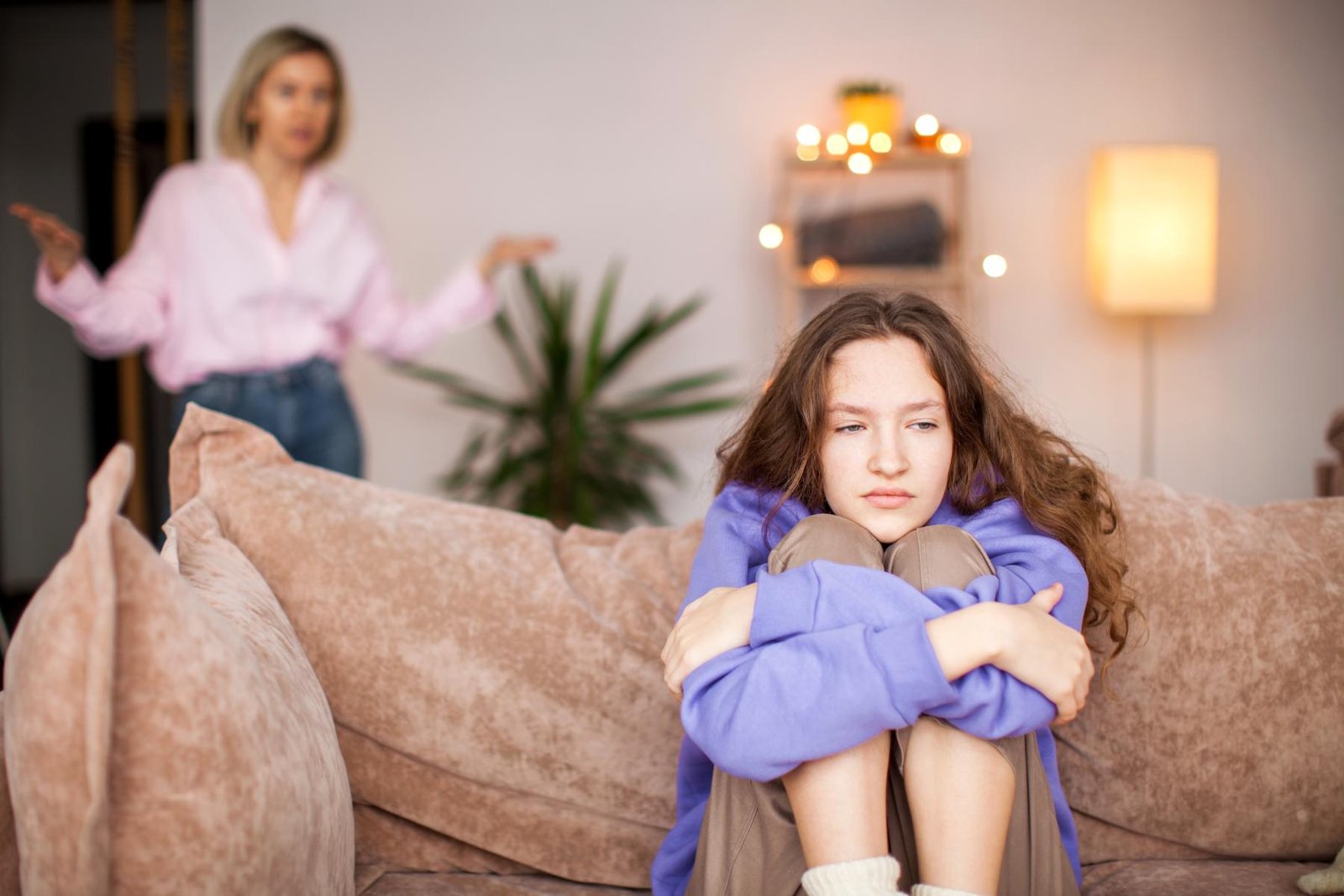
It’s common for students to sometimes have difficulty following rules or to become upset. After all, rules are made to be broken, and everyone gets upset sometimes.
However, some students have more frequent and intense problems with these behaviors. They may often feel angry or irritable and act out by not listening to adults or annoying others on purpose. These behaviors can be challenging for teachers and may lead to conflicts at school. It’s important to understand that these actions are not always intentional and may be a sign that the student needs help. With the right support, students can learn to manage their emotions and behaviors better.
What is typical?
It’s normal for students to sometimes break rules or get upset. Younger students usually follow rules more, but older students and teens might test limits at home or school. This is a part of growing up and learning to test limits. Even some aggressive actions are normal.
For example, young students might hit when they are upset because they want something right away. It’s also common for young students to argue over small things on the playground. These behaviors usually don’t happen in other situations and are a normal part of development.
These reactions shouldn’t be seen simply as “lack of discipline” or “bad behavior.” They reflect a developing skill: the ability to manage emotions and control impulses. Most of the time, the student can calm down, resume following rules, and maintain good relationships with others.
When should I be concerned?
There are several signs that show a student may be having difficulties with following rules or getting along with others. These signs can be different based on the student’s age.
- Being easily irritated: The student may get upset over small things, like an object that fell on the floor, clothes that got dirty, or someone who didn’t answer a call.
- Losing their temper quickly: The student may have frequent outbursts of anger.
- Arguing with adults: The student may often argue with teachers or other authority figures.
- Refusing to follow rules: The student may ignore or break rules on purpose.
- Acting out verbally or physically: The student may yell, hit, or act aggressively.
- Not feeling sorry after causing trouble: The student may not show remorse for their actions.
- Blaming others for mistakes: The student may not take responsibility for their actions.
- Annoying others on purpose: The student may do things to bother or upset others intentionally.
- Feeling angry or irritable: The student may often feel angry or hold onto anger for a long time.
The alert goes off when the student maintains challenging behaviors continuously, affecting not only the relationship with teachers, but also with peers and their own learning.
What can I do to help?
As an educator, remaining patient and supportive of a student with these difficulties is key. Here are some things you can try:
- Talk to the student: Ask simple questions to understand their feelings and why they act out. Listening helps you understand their perspective.
- Be supportive: Let the student know you care and are there to help. Encourage positive behavior and praise their efforts.
- Set clear expectations: Clearly explain the rules and consequences. Consistency helps students understand what is expected.
- Teach problem-solving skills: Help the student find better ways to handle conflicts and emotions. Role-playing can be a useful tool, and it’s also a great way to teach them to name their feelings.
- Encourage breaks: Allow the student to take short breaks when they feel overwhelmed. This can help them calm down and refocus.
- Communicate with caregivers: Share your observations with the student’s caregivers and work together to support the student.
- Collaborate with school support staff: Work with counselors or psychologists to develop strategies for managing behavior.
What kind of professional support can I seek out?
The first step is to talk with the family and suggest they speak with specialized professionals, such as a pediatrician, psychologist, or psychiatrist, depending on the student’s needs.
You can also inform families about free support available through the Unified Health System (SUS). Care often begins at the nearest Basic Health Unit (UBS), which can refer them to specialized services. These may include Child and Adolescent Psychosocial Care Centers (CAPS i), Medical and Psychosocial Specialty Centers, and outpatient clinics at university or regional hospitals.
Remember, the sooner a family is guided to the right support, the greater the student’s chances of well-being and preventing future emotional challenges.
Short Guides
Difficulties following rules or annoying others on purpose, and feeling angry or irritableOnde encontrar
mais informações
Saiba como funciona o SUS para saúde
mental de crianças e adolescentes.
What did you
think of the guides?
Tell us what you think of the guides! Your feedback can help us improve them. Is there a topic you’ve been looking for and haven’t found?