




Difficulties with weight, eating habits, or body shape
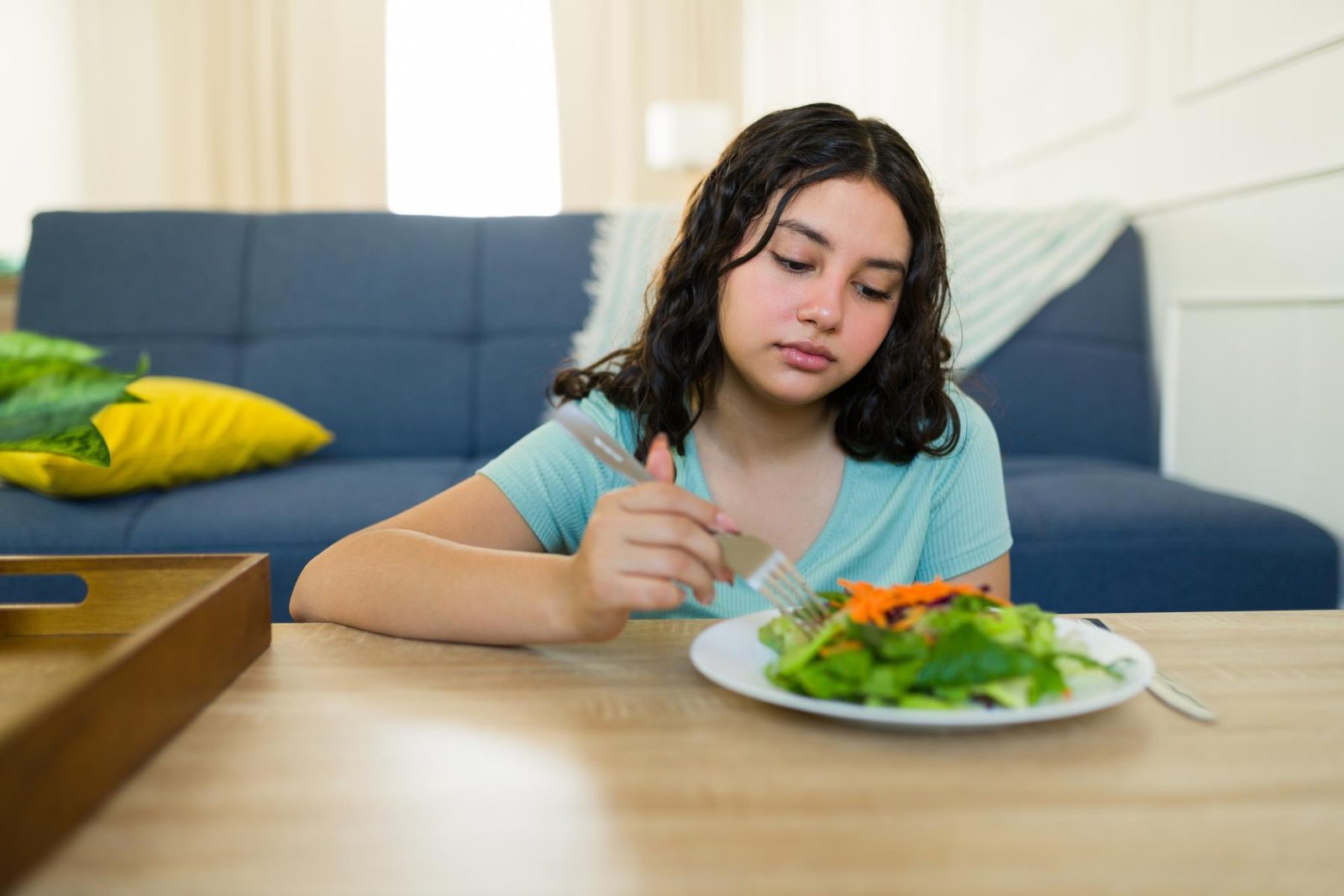
Everybody eats. It’s important for living! We start our days with meals and many cultures end their days with meals, too. Mealtimes bring together families, friends, and other groups for celebrations or even goodbyes. Whether you like vegetables, meat, fish, or a bit of everything, most people spend a few hours each day eating. Eating helps us stay alive, grow, and connect with others socially and emotionally.
However, the school environment strongly influences students’ relationship with food and their bodies. Peer comments, locker room comparisons, and performance pressure can trigger risky eating behaviors, requiring greater attention from educators.
What is typical?
Students and teens have different eating habits because of their personalities, bodies, growth stages, and surroundings. Some people eat three meals a day, while others eat two or five. Students love snacks, often eating them between meals. This is okay because students and teens grow quickly and use energy faster than adults, so snacks are important for them.
Some students or teens are picky eaters—they do not like many foods and may refuse to try new things. This is common and okay as long as they eat enough variety to stay healthy.
The most important things to remember about typical eating in students and teens are:
- Eating enough food to get energy for the day.
- Eating a balanced diet with different food groups.
Sometimes, students and teens eat too much too fast and get stomach aches. Other times, when they are sick, they might not want to eat anything. Both of these situations are normal.
The body undergoes significant changes throughout development. Ideally, these changes should be observed naturally, without judgment, and the student should maintain a spontaneous relationship with food. It’s important to observe whether the student enjoys meals, feels comfortable with their body, and participates in activities without shame. Not every comment about diet or appearance is cause for alarm, but the context, frequency, and emotional impact should be considered.
When should I be concerned?
Teachers often see their students’ eating habits. Young students need supervision during snack time and lunch, and teachers are usually there. Older students eat in larger groups, like in a cafeteria, but are still watched over. When students regularly eat too much or too little, it can be a concern.
Signs of eating problems in students:
- Eating very little or dieting, leading to noticeable weight loss
- Eating non-food items
- Regular overeating followed by discomfort
- Long periods without eating anything
- Avoiding certain foods because of how they look, smell, or taste
Signs in older students and teens:
- Eating very little or dieting, leading to noticeable weight loss
- Going to the bathroom or bedroom right after meals, and possibly showing signs of vomiting (e.g., coughing sounds, smell of vomit)
- Regular overeating followed by discomfort
- Long periods without eating anything
- Vomiting without a medical reason
- Finding empty wrappers or hidden food in their backpack or locker
- Constipation without a medical reason
- Irregular periods without a medical reason
- Using medication like laxatives without a prescription
- Exercising too much, especially after overeating
- Making negative comments about their body or expressing guilt about eating
- Wearing clothes that are too loose or showing changes in mood and social relationships
The sooner careful listening and a non-judgmental approach are taken, the lower the chances of the problem worsening.
What can I do to help?
Schools play a fundamental role in supporting students. It’s important to create a culture of respect for body diversity, prohibiting jokes, nicknames, and judgments about weight, body shape, or eating habits. If you notice a student exhibiting concerning eating patterns or distress related to food, it’s important to take action. Here’s what you can do:
- Talk and listen: Express your concern carefully and without judgment. Create a safe space for the student to share their thoughts and feelings about food. You might say, for example: “I’ve noticed you’ve been avoiding snacks lately. Is everything okay?”
- Be supportive: Let the student know you care and are there to help. Offer encouragement and understanding. Even if the behavior seems strange, avoid criticism.
- Inform caregivers: Share your observations with the student’s caregivers in a sensitive and welcoming way so they can monitor the situation at home.
- Consult with school support staff: Contact the school nurse or counselor to discuss your concerns and seek guidance. They can help determine if a referral to a specialist is needed. If your school doesn’t have these professionals, find another trusted adult on the school staff.
- Promote healthy eating habits in the classroom: Model positive attitudes towards food and encourage balanced choices. Speak positively about nutrition and well-being.
- Avoid making negative comments about food or bodies:Create a body-positive environment where all students feel accepted. Comments about weight or diets, even in jest, can be hurtful.
- Focus on overall well-being: Encourage healthy habits like enjoyable physical activity, adequate rest, and stress management, which can positively influence eating habits.
- Address body image critically: Discussing body image, especially in light of social media and aesthetic standards, can prevent problems and strengthen student well-being.
What kind of professional support can I seek out?
The first step is to talk with the family and suggest they speak with specialized professionals, such as a nutritionist, pediatrician, psychologist, or psychiatrist. Eating problems often require a multidisciplinary approach, so a team of specialists may be involved.
You can also inform families about free support available through the Unified Health System (SUS). Care often begins at the nearest Basic Health Unit (UBS), which can refer them to specialized services. These may include Child and Adolescent Psychosocial Care Centers (CAPS i), Medical and Psychosocial Specialty Centers, and outpatient clinics at university or regional hospitals.
Within the school, you can also propose discussion groups and workshops on topics like body image, nutrition, and self-esteem with the support of experts. Remember, the sooner a referral is made, the greater the student’s chances of improvement.
Onde encontrar
mais informações
Saiba como funciona o SUS para saúde
mental de crianças e adolescentes.
What did you
think of the guides?
Tell us what you think of the guides! Your feedback can help us improve them. Is there a topic you’ve been looking for and haven’t found?