




Early developmental concern
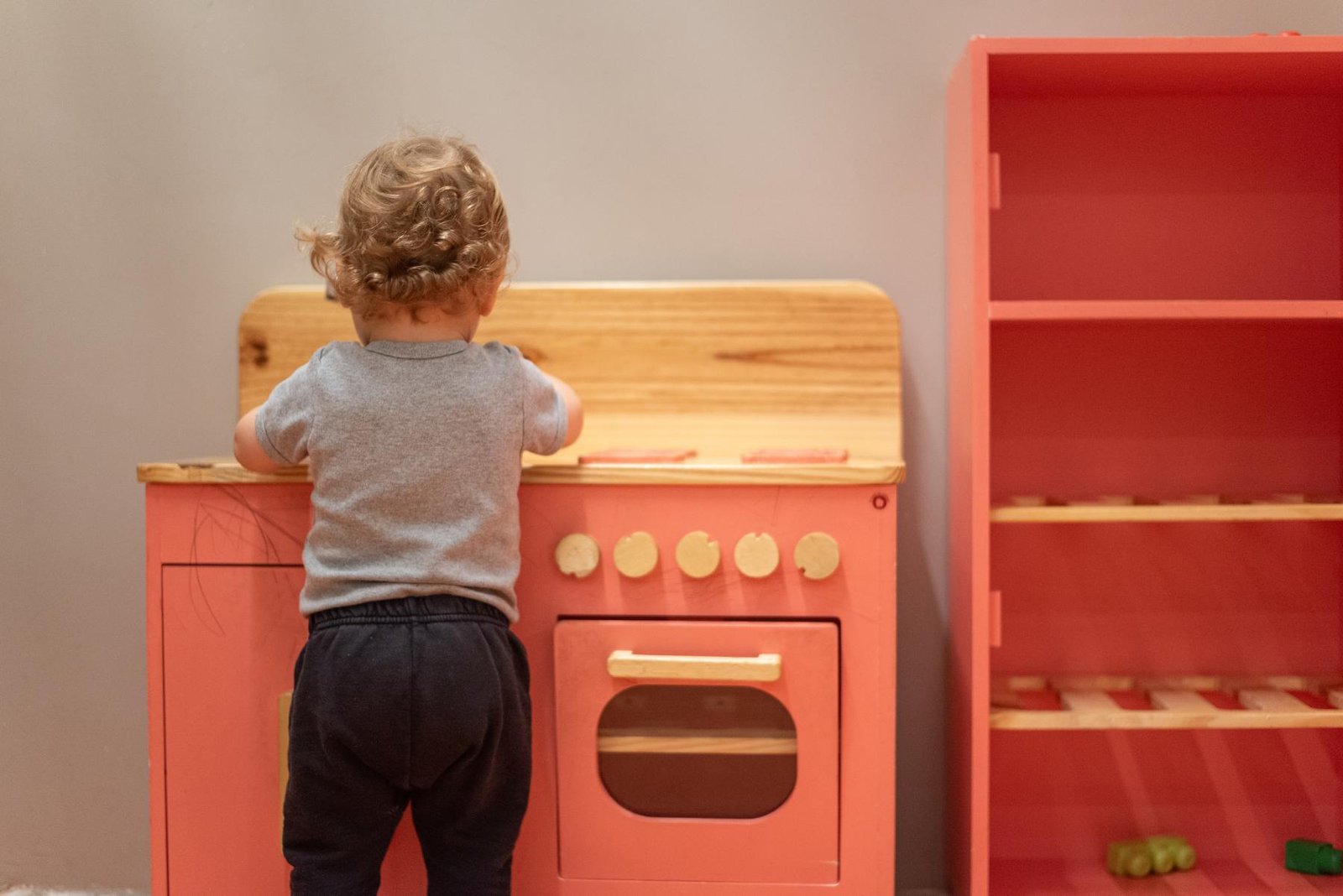
Have you ever noticed that everyone learns things at their own pace? Some people learn to read quickly, while others take a little longer, and that’s okay. But sometimes, you might notice that a younger child—maybe a sibling, a cousin, or someone you babysit—is having a much harder time learning new things or doing everyday activities on their own.
This can happen because their brain works a bit differently. It doesn’t mean they aren’t smart or can’t learn. It just means they might need extra support to learn, communicate, and handle daily tasks.
As we grow up, we all learn to do many things, like sitting up, walking, talking, and playing with others. The skills that most kids learn by a certain age are called “developmental milestones.”
While every child is unique, most learn skills in a similar order. For example, in early childhood, most kids learn to:
- Move around: They learn to sit up, crawl, and then walk and run.
- Talk and understand: They start by making sounds, then say their first words, point to things they want, and begin to follow simple directions.
- Play and connect: They show interest in toys, learn to play pretend (like feeding a doll), and start to notice and play near other children.
- Learn and think: They figure out how to use simple toys, like stacking blocks or putting shapes into the right holes.
Everyone can learn. Sometimes, it just takes a different approach to make learning fun and successful!
Everyone develops at their own pace, but there are some signs that a younger child might need extra help. It can be worrying if a child seems to be much later than other kids their age in learning to move, talk, or play.
Here are some signs that a younger child might need extra support:
- They seem to take much longer than other kids to learn to sit, stand, or walk.
- They have a hard time communicating what they want or don’t seem to understand what you say.
- They don’t show much interest in playing with toys or other children.
- They interact in unusual ways, like hitting or throwing toys instead of playing with them.
- They seem to lose skills they once had (for example, they stop saying words they used to know).
It’s important to know that many things can cause these delays, like problems with hearing or vision, or conditions like Autism Spectrum Disorder or a learning disability. That’s why if you notice something, the best thing to do is tell an adult who can get an expert’s opinion.
When should I be concerned?
Everyone develops at their own pace, but there are some signs that a younger child might need extra help. It can be worrying if a child seems to be much later than other kids their age in learning to move, talk, or play.
Here are some signs that a younger child might need extra support:
- They seem to take much longer than other kids to learn to sit, stand, or walk.
- They have a hard time communicating what they want or don’t seem to understand what you say.
- They don’t show much interest in playing with toys or other children.
- They interact in unusual ways, like hitting or throwing toys instead of playing with them.
- They seem to lose skills they once had (for example, they stop saying words they used to know).
It’s important to know that many things can cause these delays. That’s why if you notice something, the best thing to do is tell an adult who can get an expert’s opinion.
What can I do if I (or a friend) struggle?
If you notice that a younger child in your life is struggling, you can be a big help just by speaking up. Here are some steps you can take:
- Talk to a trusted adult.This is the most important step. Tell a parent, guardian, or another trusted adult what you’ve noticed. They are in the best position to get professional help.
- Be specific.Instead of just saying “something is wrong,” try to explain what you saw. For example, “I’ve noticed that he doesn’t answer when I call his name,” or “She isn’t trying to crawl like other babies her age.”
- Be patient and kind.The child isn’t struggling on purpose. Be a supportive and friendly presence in their life. Play with them in a way they enjoy.
- Don’t try to be the expert.It’s not your job to figure out whythe child is having difficulties. Your role is to share your concerns with an adult who can take the next steps.
What kind of professional support can I seek out?
Remember when we said that talking to an adult is the first step? That adult can then talk to professionals who know how to help the child.
For example, a psychopedagogue(psicopedagogo) can help with learning difficulties, while a speech therapist(fonoaudiólogo) can help if the child has trouble speaking. There are also special doctors, like a pediatric neurologist(neuropediatra), who can help understand how the child’s body and brain are developing.
Remember, the most important thing you can do is talk to a trusted adult. They can make sure the child gets the right kind of help from the right professionals.
Onde encontrar
mais informações
Saiba como funciona o SUS para saúde
mental de crianças e adolescentes.
What did you
think of the guides?
Tell us what you think of the guides! Your feedback can help us improve them. Is there a topic you’ve been looking for and haven’t found?