




Early developmental concerns
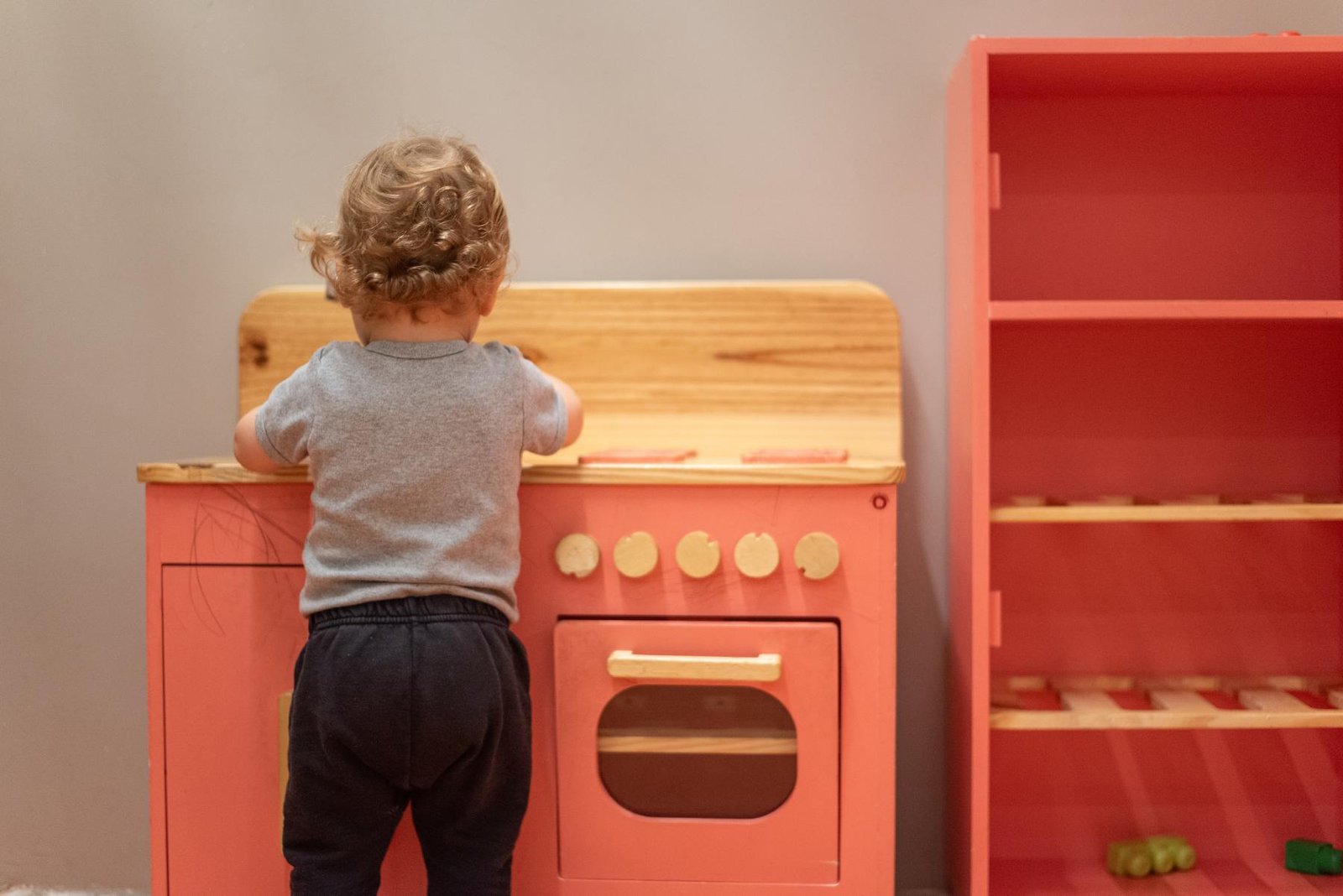
As children grow, they learn new skills. These skills are often called developmental milestones. They learn to move, speak, think, and act in new ways.
It’s natural for caregivers to wonder if their child is learning as expected. All children are different, but there are skills they should learn by certain ages.
When a child takes a long time to reach these milestones or loses skills they had previously learned, this may indicate concerns about early development. It is important to seek guidance and more information from a professional.
Identifying difficulties early can make a big difference in a child’s life.
What is typical?
Caregivers can check if a child is developing typically by looking at key milestones:
Gross motor skills (large body movements):
- Sitting up without help by about 7 months
- Cruising (walking while holding onto something) by about 10 months
- Standing without help by about 11 months
- Walking by 13 months
- Using one stair at a time by 16 months
- Running by 18 months
- Kicking a ball by 24 months
- Catching a ball by 36 months
- Using a tricycle by 36 months
Fine motor skills (movements using hands and fingers):
- Using pincer grasp(using thumb and finger to pick up small things) by 12 months
- Scribbling by 12 months
- Building a small block tower by 15 months
- Copying a circle drawing by 24 months
- Stringing beads by 36 months
- Using scissors to cut shapes by 48 months
- Writing their name by 5 years, if taught
Language skills:
- Babbling (making baby sounds like “ba-ba”) by about 6 months
- Shaking head for “No” by about 8 months
- Imitating sounds by about 9 months
- Using a word with meaning by about 11 months
- Using 3-5 words by 15 months
- Speaking two-word sentences by 24 months
- Speaking two-to-three-word sentences by 36 months
- Having 300 to 1000+ words by 48 months
Social skills:
- Showing an object to a caregiver by 12 months
- Pointing to objects by 12 months
- Using pretend play(e.g., pretending to feed a doll) by 18 months
- Engaging in parallel play(playing near other kids but not with them) by 24 months
- Taking turns by 33 months
- Sharing without being asked by 36 months
- Using imaginary play(creating stories with made-up characters) by 36 months
- Having a preferred friend by 48 months
Every child develops differently. One child might walk early while another might talk early. A delay in one area is not always a problem. If a child is learning new skills, even if it’s more slowly, it may not be a cause for major concern.
When should I be concerned?
You might worry if a child doesn’t reach these milestones. Signs of delays can be different for each child. A general sign is when a child has trouble reaching one or more milestones.
For example, a child might be behind in sitting or walking. Another child might have trouble using words or might get very upset in noisy places. Some children might not want to play with others, or they might play in unusual ways (like only hitting or throwing toys). It can also be a concern if a child seems “disconnected” and does not respond to what is happening around them. A child might also lose a skill they already learned.
Early developmental concerns can have many causes, including:
- Problems with seeing or hearing
- Neurodevelopmental disorders
- Medical issues (like genetic conditions or being born early)
- Exposure to harmful things before birth (like lead or alcohol)
- Abuse or trauma in early life
What can I do to help?
You know your child best. If you’re worried about how they’re growing, acting quickly is important. Here are some things you can do:
- Watch carefully: Look closely at how your child moves, talks, and plays. Kids learn fast when they’re little. If a child is behind, each week can make a bigger difference.
- Figure out what’s hard: Is it talking? Moving? Playing with others? Try to find what’s giving your child trouble.
- Talk to the teacher: If you see something worrying, ask your child’s teacher what they see at school.
- Talk, read, and sing: Talking, reading, and singing with your child helps them learn to talk better. You can do this during daily activities, like saying, “Now we will get the blue cup to drink water.”
- Talk about feelings: Teach your child words for their feelings. If they seem mad, you could say, “You look angry right now.”
- Handle big feelings: Show your child how to take deep breaths when they’re upset. Help them find a quiet place or a favorite toy for comfort.
- Play with others: Gently encourage your child to play with other kids. Let them know you’re there if they need you.
- Allow safe exploration: Let your child touch different objects and move around freely in a safe space. Cheer for small successes, like crawling to a toy or trying a new word.
If you’ve tried these things and your child is still struggling, it might be time to ask for help from a doctor or other expert.
If your child is having a lot more trouble than other kids their age, and it’s making things hard for your child and family, it could be a neurodevelopmental disorder. This means their brain is developing a little differently. A doctor can help you figure out what’s going on.
What kind of professional support can I seek out?
It’s normal to feel worried if your child is struggling. But help is available. Talk to your child’s pediatricianor family doctorabout your concerns. Getting help early gives the best chance for improvement.
Your doctor can check on your concerns and may suggest specialists like a pediatric neurologist, child psychologist, speech-language pathologist, or occupational therapist. Therapists and mental health professionals can help your child build skills. They also teach caregivers how to support their child at home and offer strategies for managing challenges at school.
You can also find free support through the Unified Health System (SUS). Care often begins at your local Basic Health Unit (UBS). Other services include Child and Adolescent Psychosocial Care Centers (CAPS i), specialty centers, and clinics at university hospitals.
Onde encontrar
mais informações
Saiba como funciona o SUS para saúde
mental de crianças e adolescentes.
What did you
think of the guides?
Tell us what you think of the guides! Your feedback can help us improve them. Is there a topic you’ve been looking for and haven’t found?