




Early developmental concerns
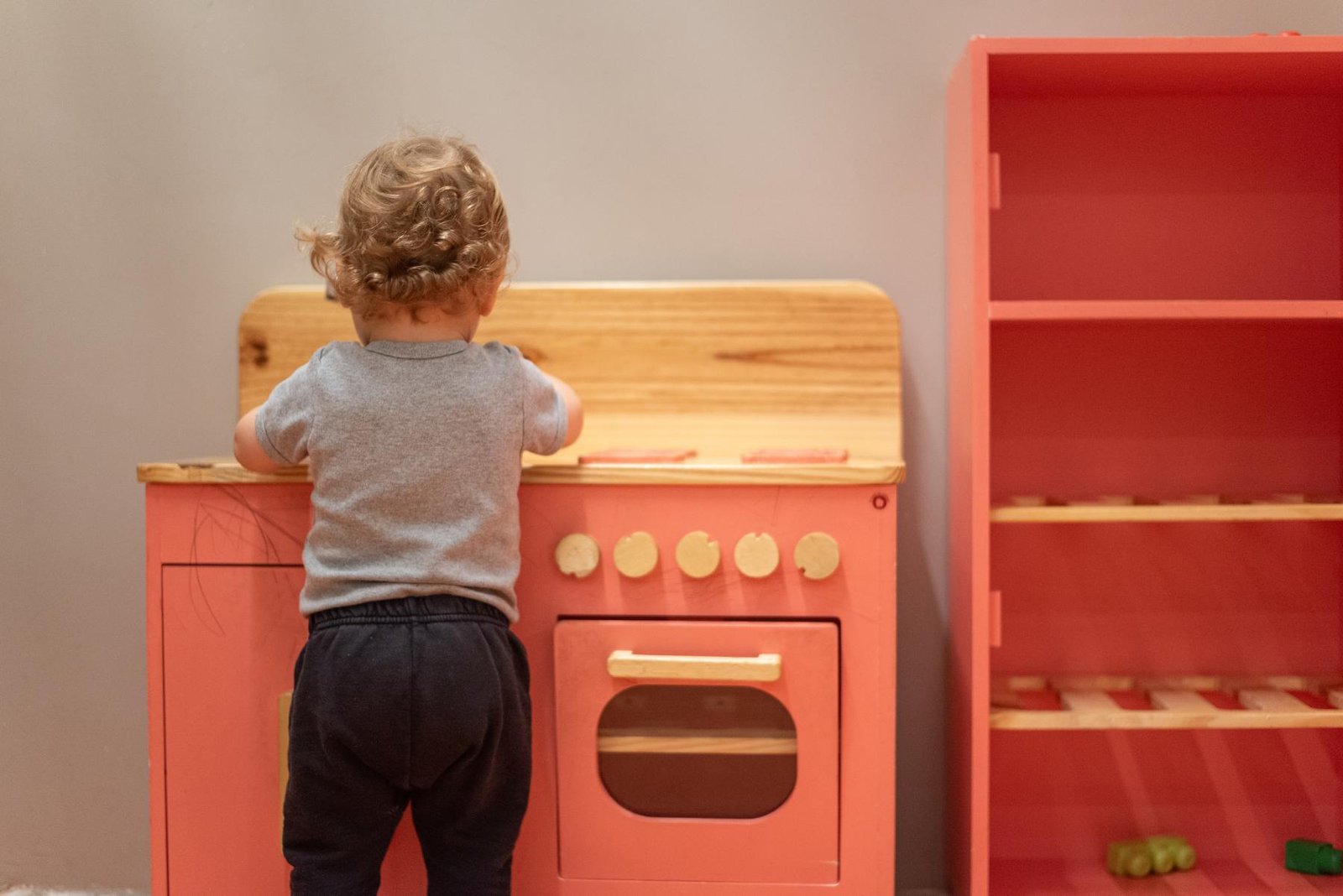
Teachers and educators play a key role in watching children grow, as you see them during important times of learning and interacting.
As children grow, they pass through stages of development called milestones. They learn to move, talk, solve problems, and socialize. Even though each child is unique, there are skills they are expected to develop at certain ages. If a child takes too long to reach these milestones, stops progressing, or loses skills, it may be a sign of early developmental concerns.
What is typical?
Early childhood teachers in daycares and preschools often see children learning new skills. To see if children are developing as expected, look for these core milestones:
Gross motor skills (large body movements):
- Sitting up without help by about 7 months
- Cruising (walking while holding onto something) by about 10 months
- Standing without help by about 11 months
- Walking by 13 months
- Using one stair at a time by 16 months
- Running by 18 months
- Kicking a ball by 24 months
- Catching a ball by 36 months
- Using a tricycle by 36 months
Fine motor skills (movements using hands and fingers):
- Using pincer grasp(thumb and finger) by 12 months
- Scribbling by 12 months
- Building a small block tower by 15 months
- Copying a circle drawing by 24 months
- Stringing beads by 36 months
- Using scissors to cut shapes by 48 months
- Writing their name by 5 years, if taught
Language skills:
- Babbling by about 6 months
- Shaking head for “No” by about 8 months
- Imitating sounds by about 9 months
- Using a word with meaning by about 11 months
- Using 3-5 words by 15 months
- Speaking two-word sentences by 24 months
- Speaking two-to-three-word sentences by 36 months
- Having 300 to 1000+ words by 48 months
Social skills:
- Showing an object to a caregiver by 12 months
- Pointing to objects by 12 months
- Using pretend play(e.g., pretending to feed a doll) by 18 months
- Engaging in parallel play(playing near other kids but not with them) by 24 months
- Taking turns by 33 months
- Sharing without being asked by 36 months
- Using imaginary playby 36 months
- Having a preferred friend by 48 months
In the school setting, also watch if a child joins in activities, plays with other kids, understands simple directions, and shows interest in their surroundings. Every child develops differently, but the important thing is to see progress over the months.
When should I be concerned?
Concerns appear when children do not meet these milestones. For example:
- A child might be late in sitting up, standing, or walking compared to others.
- A child might have trouble talking or behaving well in a busy classroom.
- A child might not be interested in playing with peers or might play in unusual ways, like hitting or throwing toys.
- A child might also suddenly lose a skill they had before.
Developmental concerns can have many causes, including:
- Visual or hearing problems
- Neurodevelopmental disorders
- Medical issues (like genetic conditions)
- Exposure to harmful things before birth
- Abuse or trauma
If you notice a student isn’t developing as expected, talk to the child’s caregivers and the school’s support staff. It is important to observe and record what you see but avoid labeling or diagnosing the child.Your detailed notes can help the family and specialists understand what is happening.
What can I do to help?
Helping with these concerns early is very important. Here’s what teachers can do:
- Pay close attention: Watch how the child moves, talks, and plays.
- Identify the delay: Figure out which skill (talking, moving, socializing) the child is struggling with.
- Keep track: Use charts to track the child’s progress in reaching milestones.
- Inform caregivers: Share your specific observations with caregivers. They need to know what’s happening at school and if the same things are noticed at home.
- Seek support: With the caregivers’ permission, talk with school specialists like occupational, physical, or speech-language therapists.
Classroom Support
Teachers can also help children by:
- Getting the child’s attention before speaking
- Giving clear, short instructions
- Making sure the room is quiet before giving instructions
- Using pictures and other visual aids to help the child understand
- Providing chances for children to work and play together (e.g., painting, building blocks)
- Praising their efforts and successes
- Using daily routines for learning
- Breaking tasks into smaller steps (e.g., putting away toys, packing a backpack)
- Talking with caregivers to learn what strategies work at home
If a child’s skills do not improve and the difficulties affect daily activities, it might suggest a neurodevelopmental disorder. In this case, advising the family to seek a professional evaluation is the next step.
What kind of professional support can I seek?
As an educator, you play a key role in guiding families toward the right support. When you share your concerns, you can also help them understand the next steps.
The first recommendation is for the family to talk to the child’s pediatricianor family doctor. This professional can conduct an initial assessment and refer the child to other specialists if needed. For instance, a speech-language pathologistcan help with communication, while a pediatric neurologistcan look into overall development. Other specialists, like a child psychologistor an occupational therapist, can support the child with behavioral, social, or motor skill challenges.
You can also inform families about free support available through the Unified Health System (SUS). Specialized services like the Child and Adolescent Psychosocial Care Centers (CAPS i)offer multidisciplinary support. Your guidance can help families navigate these first steps and find the support the child needs to thrive.
Onde encontrar
mais informações
Saiba como funciona o SUS para saúde
mental de crianças e adolescentes.
What did you
think of the guides?
Tell us what you think of the guides! Your feedback can help us improve them. Is there a topic you’ve been looking for and haven’t found?