




Feeling afraid to be away from a caregiver or someone close
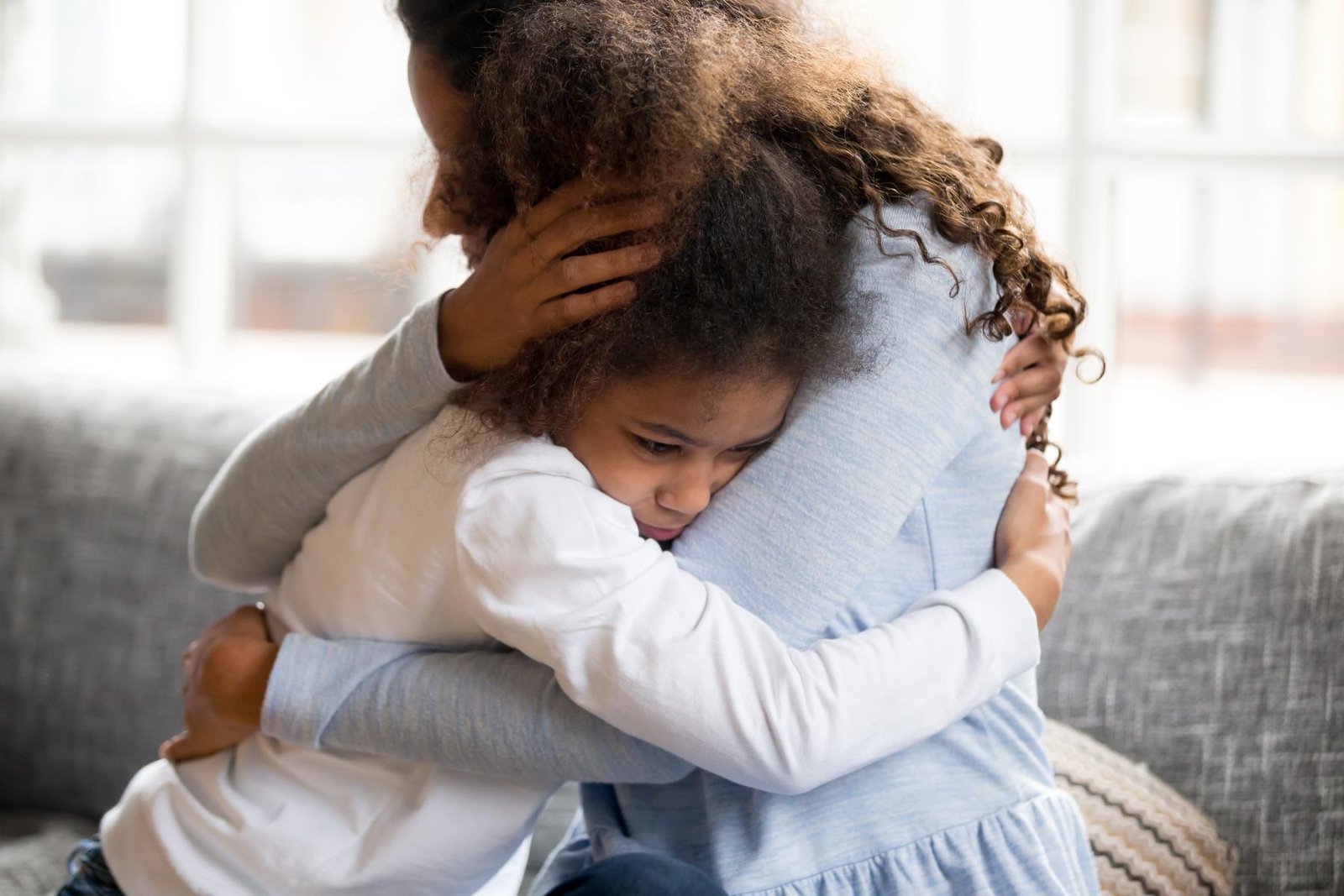
You might know a younger kid who gets really worried or scared when they have to be away from their parents or another caregiver. This is known as separation fear.
It’s more than just missing someone. It’s an intense fear that can show up even when there’s no real danger. For example, a child might cry a lot when going to school, refuse to sleep alone, or constantly worry that something bad will happen to the person they are away from.
This feeling isn’t a tantrum or bad behavior; it’s a real and painful experience for them. It’s like their body and mind go on “high alert” at the very thought of being separated. If you live with a child who seems to be going through this, this guide can help you understand.
What is typical?
It’s normal for babies and toddlers to get upset when their caregivers leave. Between 6 months and 3 years old, many children will cry, cling, or resist being separated, even for a short time. This happens because they are still learning about time and might think the person is gone for good.
It’s also common for them to be shy around new people or to need a parent nearby at bedtime. This type of fear usually gets better around age 3. Between ages 3 and 5, kids start to understand that goodbyes are temporary, though they might still be a little sad or clingy when being dropped off at school. With a little reassurance, most kids adjust well.
When should I be concerned?
While missing a caregiver is normal, sometimes the fear of separation is so intense that it gets in the way of everyday life for the child and their family.
Here are some signs that it might be more than typical separation fear:
In young children (usually up to age 5):
- Having huge meltdowns whenever a caregiver leaves the room.
- Clinging to their caregiver in new places, unable to play or talk to others.
- Following their caregiver everywhere at home, unable to play by themselves.
- Waking up crying at night looking for their caregiver.
- Refusing to sleep without a caregiver in the room.
- Not wanting to go to school or daycare.
- Complaining of a stomachache or headache right before a separation.
In older children (over 5 years):
- Constantly worrying that something bad will happen to a family member while they are apart.
- Needing to know where their caregiver is at all times, often calling or texting them.
- Getting frequent stomachaches or headaches with no clear medical cause, especially before school or other separations.
- Having nightmares about being separated from their family.
- Feeling like home is the only safe place and refusing to go to school, which can lead to learning difficulties and isolation.
- Saying no to sleepovers, camps, or other fun activities away from home.
What can I do if I (or a friend) struggle?
If you know a child who feels this way, you can help by being patient and understanding.
- Don’t make fun of their fear.For them, the feeling is real and powerful.
- Show you get it.Try to distract them with games, stories, or other fun activities when their caregiver isn’t around.
- Reassure them.You can help by talking about when the person will be back, encouraging fun activities, and keeping goodbyes short and positive.
- Talk to an adult.If you notice the situation isn’t getting better, talk to a parent or another adult responsible for the child. They can make sure the child gets the right support.
What kind of professional support can I seek out?
The most important step you can take is to encourage the child’s parent or guardian to seek professional help. You can let them know that support is available.
You can tell them that specialists like a psychologistor psychiatristwho work with children can assess the situation and suggest ways to manage the fear. These professionals work with the whole family, offering strategies that can be used at home and at school.
You can also let them know that free support is available through the Unified Health System (SUS). Care often begins at the local Basic Health Unit (UBS). Other services include Child and Adolescent Psychosocial Care Centers (CAPS i), specialty centers, and clinics at university hospitals.
Onde encontrar
mais informações
Saiba como funciona o SUS para saúde
mental de crianças e adolescentes.
What did you
think of the guides?
Tell us what you think of the guides! Your feedback can help us improve them. Is there a topic you’ve been looking for and haven’t found?