




Feeling irritable, unable to focus, or having quick changes in emotions
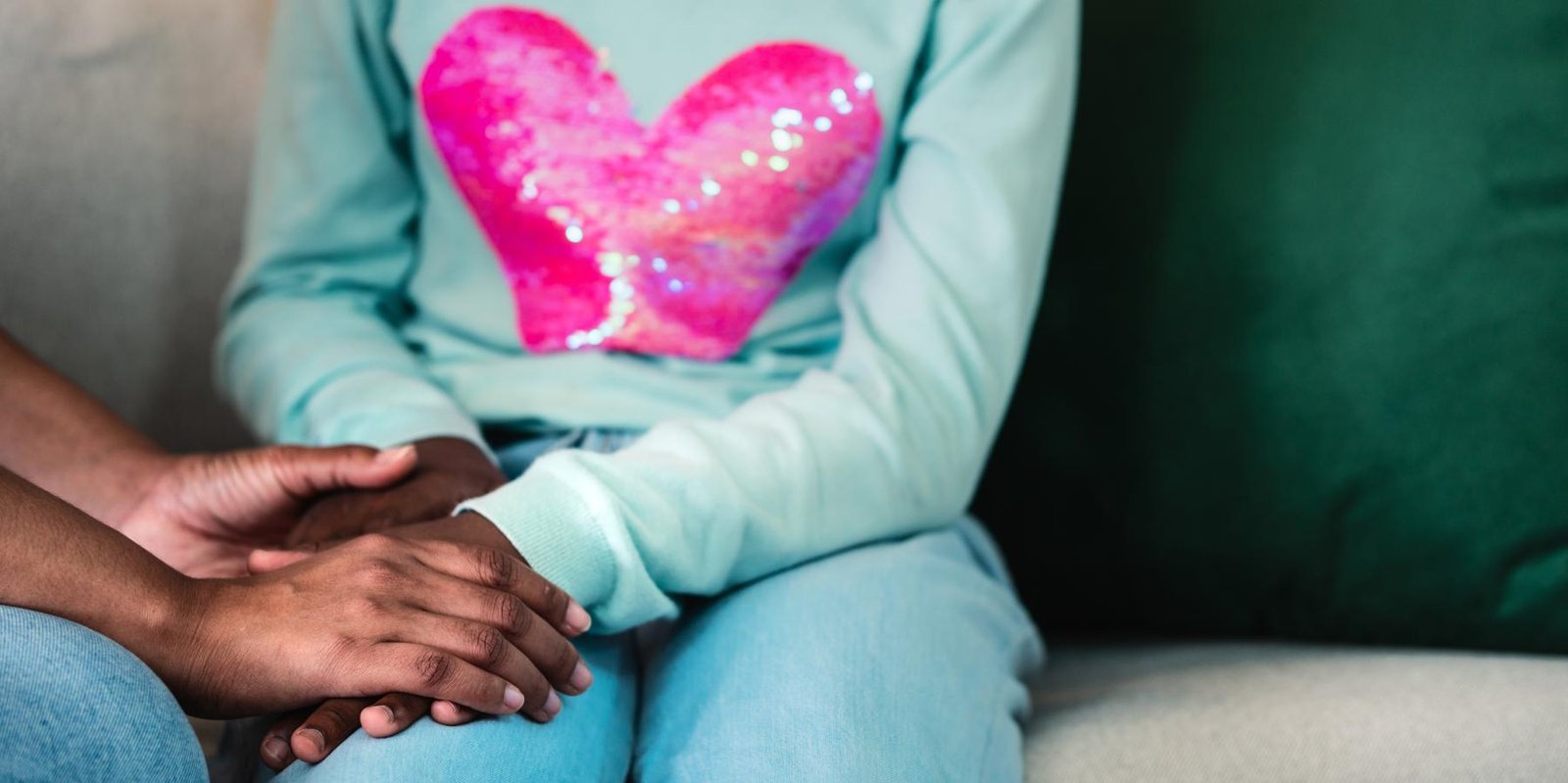
Let’s face it, we all get a little angry sometimes. Maybe we’re tired, hungry, sad, upset, or just had a bad day. Sometimes, people can be grumpy for no reason at all.
However, some children and adolescents may experience frequent irritation, difficulty concentrating, and rapid mood swings that cannot be explained solely by fatigue or daily setbacks. This is not a common “bad mood,” but an intense and persistent emotional instability that interferes with family, school, and social relationships.
What is typical?
Kids and teens get mad just like adults do. Anger is normal and usually goes away in less than 30 minutes. But if a child is angry a lot or their anger lasts a long time, it can ruin their fun and bother others. Kids also have fewer ways to deal with anger than adults, so their anger can upset everyone.
For example, we expect kids under age 5 to have tantrums. They might cry, yell, stomp, kick, or roll on the floor when they do not get what they want. This type of anger comes and goes quickly and is usually caused by something specific.
Older kids and teens will not have such big tantrums, but they still get angry. Teens often get mad at their parents because it feels safer at home. They may avoid getting angry with friends because they want to keep those friendships strong. Since parents control a lot in their lives, they are easy targets for teen anger.
The expectation is that, even after a difficult day, children and adolescents will be able to participate in activities and talk. Common emotional swings don’t last for weeks at a time or severely impact family life.
When should I be concerned?
Irritability, or being easily angered, can mean different things. It might be a response to something bad like unfairness, abuse, or neglect. It could also be a sign of other problems like depression or anxiety. Sometimes, it’s a problem by itself.
You should worry about a child’s anger if:
- It makes them unhappy or disrupts their life and others’ lives, affecting relationships with family, friends, or school performance.
- They are often sad, anxious, have low self-esteem, or seem insecure.
- Their behavior changes after difficult events, such as trauma, loss, or stressful situations.
- They have trouble sleeping, doing schoolwork, or have experienced trauma.
- The anger appears in other places, like at school or with friends.
Anger in kids is a concern when:
- They are grumpy with friends or at school.
- Anger lasts a long time or happens often.
- They hurt others or break things during tantrums.
If the behavior is causing significant stress to the child or adolescent, or if there is a risk of aggressive behavior, it is important to seek help.
What can I do to help?
As a parent or caregiver, you know your child best. If your child seems unusually irritable, something might be wrong. Here are some steps to help:
- Talk to your child’s teacher.Find out if the anger issues happen at school and what has been done to help. This can help you better understand the situation.
- Talk to your child.Ask simple questions to understand what’s bothering them. Listen calmly before trying to solve their problems. Sometimes, just being heard brings relief.
- Teach coping skills.Show them how to take deep breaths, find comfort in toys, take a walk, or go to a safe place when upset.
- Avoid criticism and extreme punishments.Yelling or shaming your child usually makes anger worse. Most of the time, persistent irritability means something else is wrong.
- Ignore occasional anger.If the anger is not frequent, try ignoring it and praising good behavior and moments when your child manages to control themselves.
- Identify triggers.Find out what might trigger your child’s irritability, such as lack of impulse control, difficulty communicating needs, hunger, or fatigue.
- Offer emotional support.Explain that it’s natural to feel angry, but it’s important to learn how to express these feelings without hurting yourself or others.
What kind of professional support can I seek out?
It’s normal to feel worried, embarrassed, or guilty if your child is very angry. But help is available.
Talk to your child’s pediatricianor family doctor. They can refer you to other specialists, such as mental health professionals. Mental health professionals can help both the child and the caregivers. They can work with you to support your child at home and in therapy.
You can also find free support through the Unified Health System (SUS). Care often begins at your local Basic Health Unit (UBS). Other services include Child and Adolescent Psychosocial Care Centers (CAPS i), specialty centers, and clinics at university hospitals.
Onde encontrar
mais informações
Saiba como funciona o SUS para saúde
mental de crianças e adolescentes.
What did you
think of the guides?
Tell us what you think of the guides! Your feedback can help us improve them. Is there a topic you’ve been looking for and haven’t found?