




Feeling irritable, unable to focus, or having quick changes in emotions
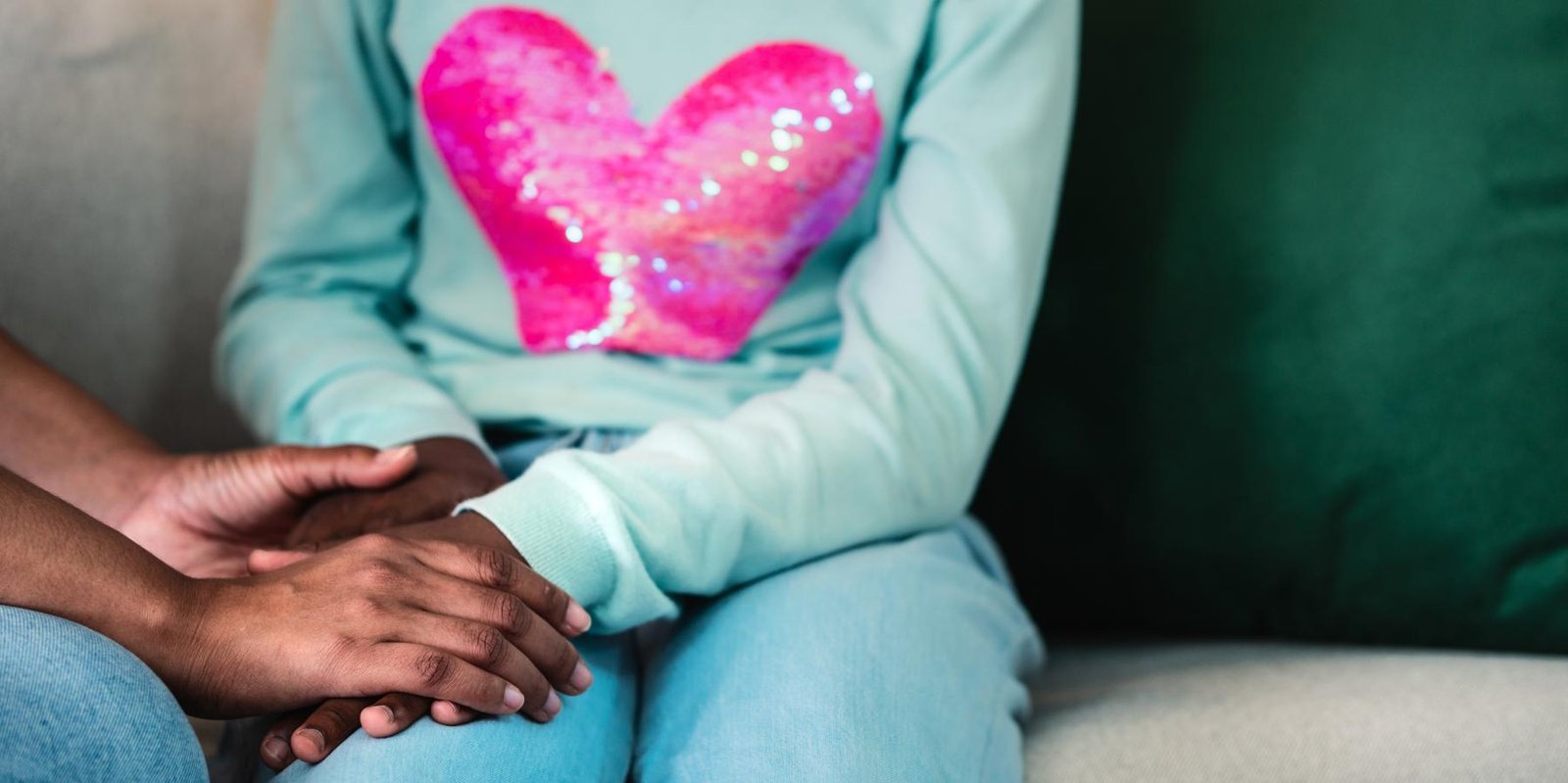
Let’s face it, we all get angry sometimes. Maybe we feel mad when we’re tired, hungry, upset, in a bad mood, or after a really hard day. Sometimes, there isn’t a clear reason at all, like when people say they “wake up on the wrong side of the bed.”
Some students may experience frequent irritation, difficulty concentrating, and rapid mood swings that aren’t limited to isolated moments. This isn’t simply “bad behavior” or “lack of interest,” but may indicate difficulty regulating emotions and managing anger.
What is typical?
Students and teenagers get angry just like adults do. This is normal. Usually, anger goes away in less than 30 minutes and is linked to specific situations. But if a student’s anger happens a lot or lasts a long time, it can disrupt their day. Students also have fewer ways to deal with their feelings of anger than adults do, so it can affect everyone around them more.
For example, it’s normal for students under 5 years old to have tantrums, especially when they are frustrated, cannot get what they want, or have to do something they do not want to do. Crying, yelling, stomping, kicking, rolling on the floor—these are typical for little students. This type of anger happens off and on and usually for specific reasons.
Big tantrums typically do not continue into the primary school years, but that doesn’t mean students and teenagers will not get angry sometimes. Instead of tantrums, they may show irritation with harsh responses, refusal to participate in activities, or defiant behavior. It is common for adolescents to direct their anger at trusted adults, like teachers, while avoiding conflicts with peers.
When should I be concerned?
Irritability, which means getting angry easily, can indicate different issues. First, it might be a normal reaction to unfair treatment, prejudice, discrimination, abuse, or neglect. So, before thinking there might be something wrong with a student’s behavior, check if there is something wrong with their environment. Second, it might indicate other problems like depression or anxiety. Finally, it could be a problem on its own.
When a student’s anger causes problems in their life or in the classroom, either because it happens often or it’s very strong, it’s a reason to be concerned. The warning sign for educators is when anger interferes with daily school life, harms relationships, or classroom safety. Irritability often comes with:
- Persistent sadness or isolation
- Feeling anxious or agitated
- Low self-esteem
- Sleep troubles
- Academic difficulties or a drop in performance
- Trauma or recent difficult experiences
Childhood anger is usually a worry when:
- Mood is irritable with school friends and in the classroom
- Anger lasts a long time
- Anger happens often
- Tantrums include hitting, biting, or kicking
- Tantrums happen for no clear reason or without clear triggers
- They break things during a tantrum
- They get extremely angry, creating fear or discomfort in classmates
What can I do to help?
When a student is often irritable or angry, do not ignore it. There might be something else going on. If you are concerned, here are some things you can try:
- Be supportive: Let the student know you see they are upset and that you are there to help. Show that you understand and are willing to listen without judgment.
- Talk about it: Have a conversation with the student to understand what might be triggering their anger. Ask simple, open-ended questions like, “Is everything okay?” or “Is there anything difficult today?”
- Inform caregivers: Let the student’s caregivers know about your concerns in a respectful and collaborative manner so they can provide support at home.
- Consult with school support staff: Seek guidance from the school counselor, psychologist, or social worker. If your school doesn’t have these professionals, reach out to another trusted adult on staff.
- Create a calm and predictable classroom environment:A consistent routine and clear expectations can help students feel more secure and less reactive.
- Teach coping skills: Help the student learn strategies for managing their anger, such as deep breathing exercises, counting to 10, or taking a break in a quiet place.
- Focus on positive reinforcement: Praise and reward positive behaviors to encourage emotional regulation. Give reinforcement when the student manages difficult situations well.
What kind of professional support can I seek out?
The first step is to talk with the family and suggest they speak with specialized professionals, such as a pediatrician, psychologist, or psychiatrist, depending on the student’s needs.
You can also inform families about free support available through the Unified Health System (SUS). Care often begins at the nearest Basic Health Unit (UBS), which can refer them to specialized services. These may include Child and Adolescent Psychosocial Care Centers (CAPS i), Medical and Psychosocial Specialty Centers, and outpatient clinics at university or regional hospitals.
Remember, the sooner a referral is made, the greater the student’s chances of improvement.
Onde encontrar
mais informações
Saiba como funciona o SUS para saúde
mental de crianças e adolescentes.
What did you
think of the guides?
Tell us what you think of the guides! Your feedback can help us improve them. Is there a topic you’ve been looking for and haven’t found?