




Feeling very afraid or panicking all of a sudden for no reason
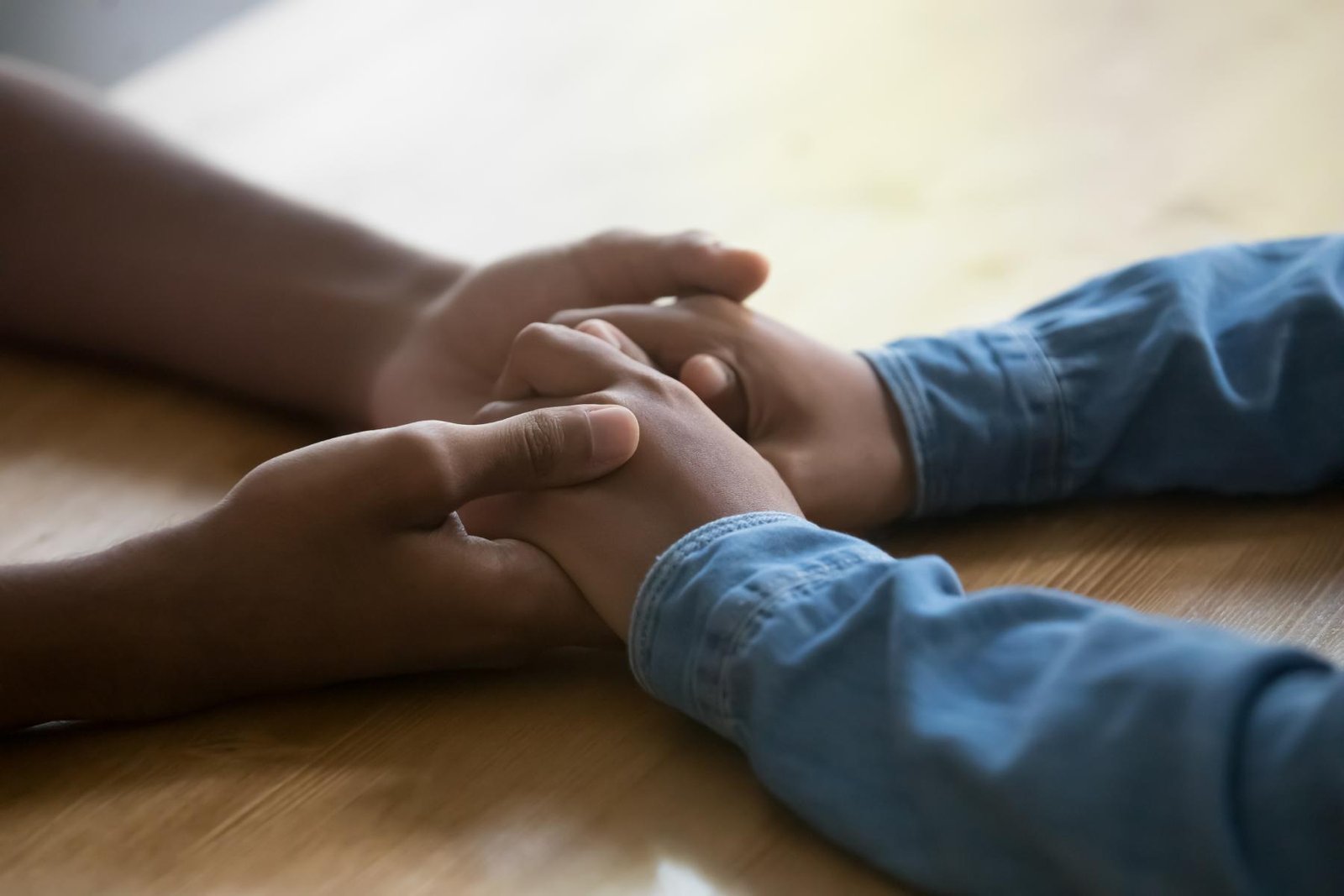
Panic attacks are very scary. A panic attack is when you suddenly have really strong and uncomfortable feelings, like a fast-beating heart, sweating, shaking, dizziness, trouble breathing, and feeling sick. It’s as if, out of nowhere, a very strong fear comes along with these physical symptoms. When this happens, you might think something terrible is happening, like you are dying, going crazy, or losing control.
This crisis may last a few minutes, but it’s often so intense that it feels like an eternity. After it passes, there’s a great fear that it will happen again. Panic doesn’t mean you’re weak, “dramatic,” or “making it up.” It’s a real bodily reaction, linked to how the brain interprets certain signals, and it’s not something that can be controlled “through willpower.”
What is typical?
Even though our bodies have a natural alarm system to help us in emergencies, having panic attacks is nottypical or common. With panic attacks, this alarm goes off for no real reason.
Panic attacks can be triggered by certain situations, but often they happen without warning. They can occur in the middle of a conversation, while attending a class, or even while resting. During a panic attack, you might feel like:
- The room is closing in.
- You cannot breathe.
- You might die.
Panic attacks can include:
- Feelings of danger
- The need to escape
- Fast heartbeat
- Sweating
- Shaking
- Trouble breathing
- Feeling like you are choking
- Chest pain
- Dizziness
- Feeling things are unreal
- Fear of losing control or “going crazy”
- Fear of dying
- Tingling sensations
- Chills or hot flushes
Panic isn’t a “nuisance” or a lack of courage; it’s an uncontrollable reaction caused by a combination of physical and mental factors.
When should I be concerned?
Most people have just one panic attack. But for some, it can be so scary that they start worrying about having more. This worry can make you avoid places or activities, which can lead to more panic attacks.
If you have panic attacks and fear new ones, you might develop an intense fear of the feelings that come with them (like a fast heartbeat), even when you are not having an attack. This worry can make you focus on these feelings and become more anxious, causing more attacks. This creates a cycle.
Other signs:
- Sudden fear or upset feelings for no reason.
- Sudden physical symptoms like fast heartbeat, shaking, sweating, trouble breathing, or stomach pain.
- Feeling like you’re losing control during an attack.
- Feeling like you cannot breathe, might faint, or die.
- Feeling that you or things around you are not real.
- Worrying about having another attack.
- Wanting to leave places because you’re afraid of having an attack.
- Avoiding places or things because you’re afraid of having an attack.
- Not wanting to be alone because you’re afraid of having an attack.
Panic attacks usually mean you need help, whether they happen once or often. Getting help early can stop the cycle from getting worse. Remember that none of this is your fault, and that episodes like this can happen to anyone.
What can I do if I (or a friend) struggle?
Dealing with panic attacks can be hard. Here are some things you can try:
- Ask for help: Talk to a parent, family member, or another trusted adult. They can help you seek professional help and navigate the panic episode more safely.
- They do not last forever: Panic attacks usually last 10-15 minutes. Remember they will pass.
- Deep breaths: Breathe in slowly for three seconds, then out slowly for three seconds. Apps can help.
- Distract yourself: Imagine a happy place or name things you see. Notice the colors, textures, and smells around you, one at a time. This takes your focus away from the panic sensations and helps your brain realize there’s no real danger.
- Relax: A warm bath, stretching, and deep breaths can help.
Don’t blame yourself for feeling panicky. It’s not a sign of weakness. Recognizing that you need help and seeking strategies to deal with crises is a sign of strength. The most important thing is not to wait for the problem to “go away on its own.”
What kind of professional support can I seek out?
If you think you are struggling with panic attacks, support is available. Talk to a trusted adult, such as your parents or another close family member. Explaining your feelings is the first step.
You may be seen by a doctor, such as a pediatrician, general practitioner, or a professional at your nearest Basic Health Unit (UBS). They can refer you to other specialists, including mental health professionals, which can also be helpful.
Asking for help isn’t a weakness; it’s a way of taking care of yourself. With the support of adults and professionals who care about you, you can understand what’s going on and find ways to feel better.
Public services are also available through the Unified Health System (SUS). You can find support at places like your local Basic Health Unit (UBS), Child and Adolescent Psychosocial Care Centers (CAPS i), and public outpatient clinics.
Onde encontrar
mais informações
Saiba como funciona o SUS para saúde
mental de crianças e adolescentes.
What did you
think of the guides?
Tell us what you think of the guides! Your feedback can help us improve them. Is there a topic you’ve been looking for and haven’t found?