




Having bad memories or feelings about a very stressful experience
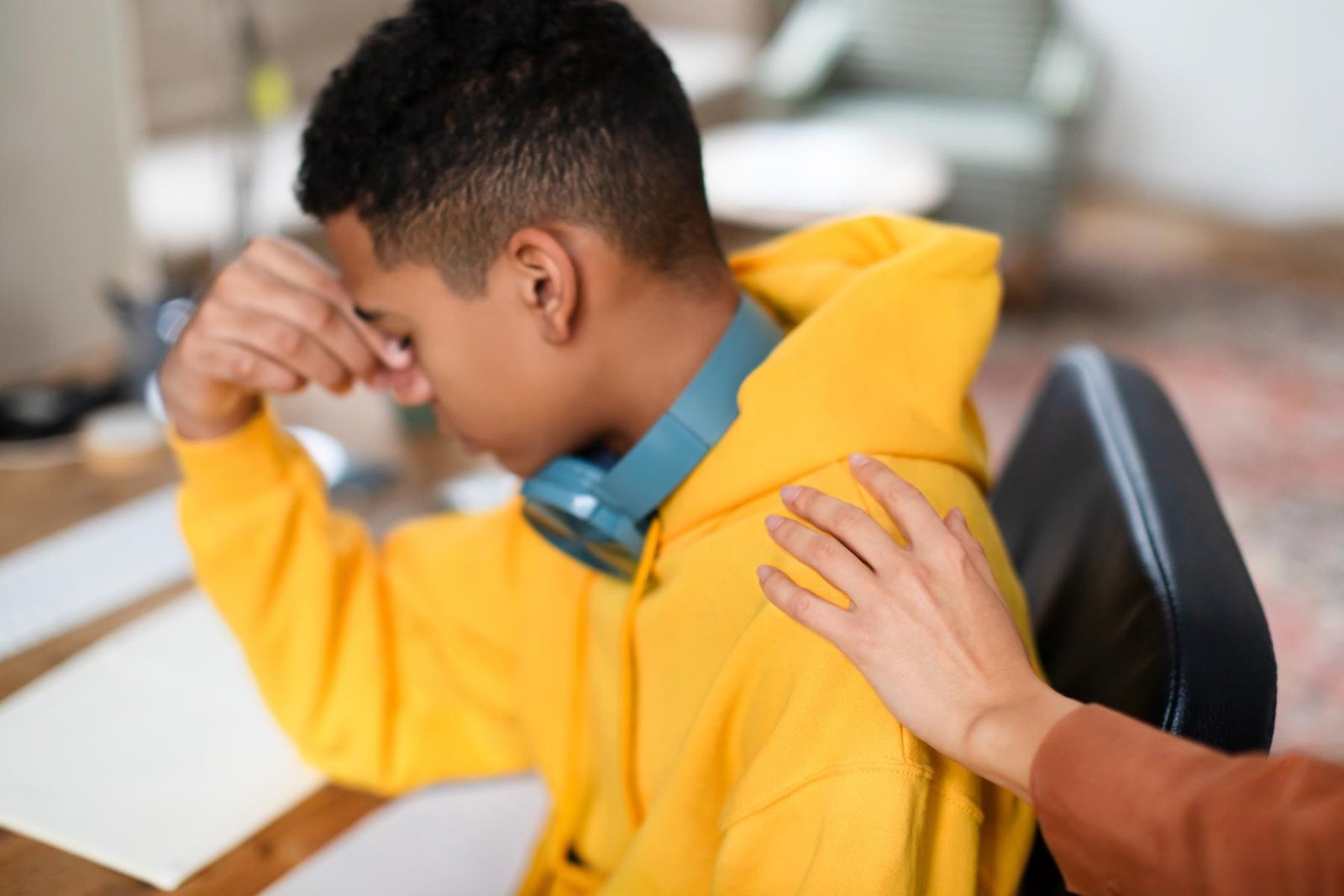
Throughout life, we all go through frightening or upsetting experiences. Traumatic experiencesare those that involve a real or perceived threat to our lives, safety, or well-being. These can include violence, abuse, neglect, natural disasters like climate disasters, bad accidents, or the loss of a loved one. They can happen once or many times.
We all perceive and react to events in different ways. Not everyone feels trauma after an upsetting event, but for some, even a single event, like a car accident or hearing about a loved one’s bad experience, can be very traumatic. Even after the danger has passed, the memory can feel stuck in your mind and body. It’s normal to feel distressed after such an experience. This doesn’t mean you’re “weak” or “dramatic,” okay? It just means your brain is trying to protect you, but it’s stuck in alert mode. While most recover without long-term effects, some may suffer for a longer time.
What is typical?
It is normal to struggle, feel scared, or upset after a frightening event. It usually takes some time to recover and feel normal again.
Common feelings after trauma include moodiness, trouble being alone, disturbed sleep, and difficulty concentrating. We may avoid places or situations connected to the trauma, have flashbacks, or nightmares. We might also feel anxious, easily angered, guilty, sad, or ashamed. These reactions are expected, as going through a difficult event can leave us very shaken. There is nothing wrong with these reactions, as they simply signal what you are feeling.
Most people recover naturally over time, but some may continue to feel bad for a month or more. It’s important to get help and support to deal with the aftermath of trauma.
When should I be concerned?
Be aware if, a month or more after the event, you or a friend still show signs of distress. These signs can happen to anyone who has been through a difficult experience and show that you may need help dealing with something that is too much to handle alone.
Frequently remembering and feeling as if the experience is happening again:
- Unwanted thoughts, images, or sounds about the event that arise unexpectedly.
- Nightmares or bad dreams.
- Feeling upset when remembering the event, with physical reactions like a racing heart, sweating, or shaking.
Avoiding reminders of the traumatic experience:
- Strongly not wanting to do anything related to the trauma (e.g., avoiding cars if the trauma is a car accident).
- Refusing to talk about what happened or changing the subject whenever it comes up.
Negative changes in mood or the way you see the world:
- Moodiness, mood swings, constant irritation, or crying easily.
- Easily annoyed or restless.
- Trouble being alone or away from trusted people.
- Feelings of guilt, shame, anger, or sadness that don’t go away.
- Seeing the world as dangerous or thinking you can’t trust anyone.
- Losing interest in school or other activities you previously enjoyed.
Anxiety symptoms due to always being on alert:
- Expressing fear more often or being easily frightened.
- Difficulty concentrating.
- Disturbed sleep or difficulty relaxing.
- Startling easily at sudden sounds or movements.
- Physical symptoms like headaches or stomachaches.
What can I do if I (or a friend) struggle?
It can be tough to deal with the aftermath of trauma. No one needs to face difficult times alone. If you need help, try these things:
- Ask a trusted adult for help.This could be a caregiver, family member, teacher, or counselor. Talking to someone who will listen can be an important step toward feeling safer.
- Understand that you are not to blame.It’s common to feel guilty or ashamed after something bad happens, but it’s important to remember that you are not responsible for what happened.
- Reach out to your support system.Talking to friends and family can lighten the burden and help you avoid feeling isolated.
- Maintain routines.Keeping your routine with daily activities can help you feel more normal and emotionally stable.
- Take care of your body and mind.Exercise, eat well, and do things you enjoy. These can improve your mood and provide distractions. It may seem difficult at first, but every step counts.
- Remember the good things about you.Focus on your strengths, skills, values, and what makes you unique. Be kind to yourself.
- Try new experiences.Join social activities or school clubs. It’s important to be around others and expand your support network.
- Practice calming strategies.Breathing deeply, listening to music, stretching, or taking a warm bath can help you calm down.
- Limit exposure to upsetting news.Do not focus on news related to the trauma, as this can protect your emotional health.
Remember, distracting yourself isn’t “running away from the problem”; sometimes, it’s giving your brain a break to regroup. Patience with your process is key. Accepting help is part of the journey to getting back to your routine with more joy.
What kind of professional support can I seek out?
Feeling embarrassed or guilty about struggling after a traumatic event is common, but support and guidance are available.
You can share your difficulty with a professional at your school, or a doctor, such as a pediatrician, general practitioner, or a professional at your nearest Basic Health Unit (UBS). This professional will listen to you, understand what’s going on, and, if necessary, refer you to a psychologistor psychiatrist, who specialize in mental health. The most important thing is not to wait until the suffering becomes unbearable.
Public services are also available through the Unified Health System (SUS). You can find support at places like your local Basic Health Unit (UBS), Child and Adolescent Psychosocial Care Centers (CAPS i), and public outpatient clinics.
Onde encontrar
mais informações
Saiba como funciona o SUS para saúde
mental de crianças e adolescentes.
What did you
think of the guides?
Tell us what you think of the guides! Your feedback can help us improve them. Is there a topic you’ve been looking for and haven’t found?