




Having bad memories or feelings about a very stressful experience
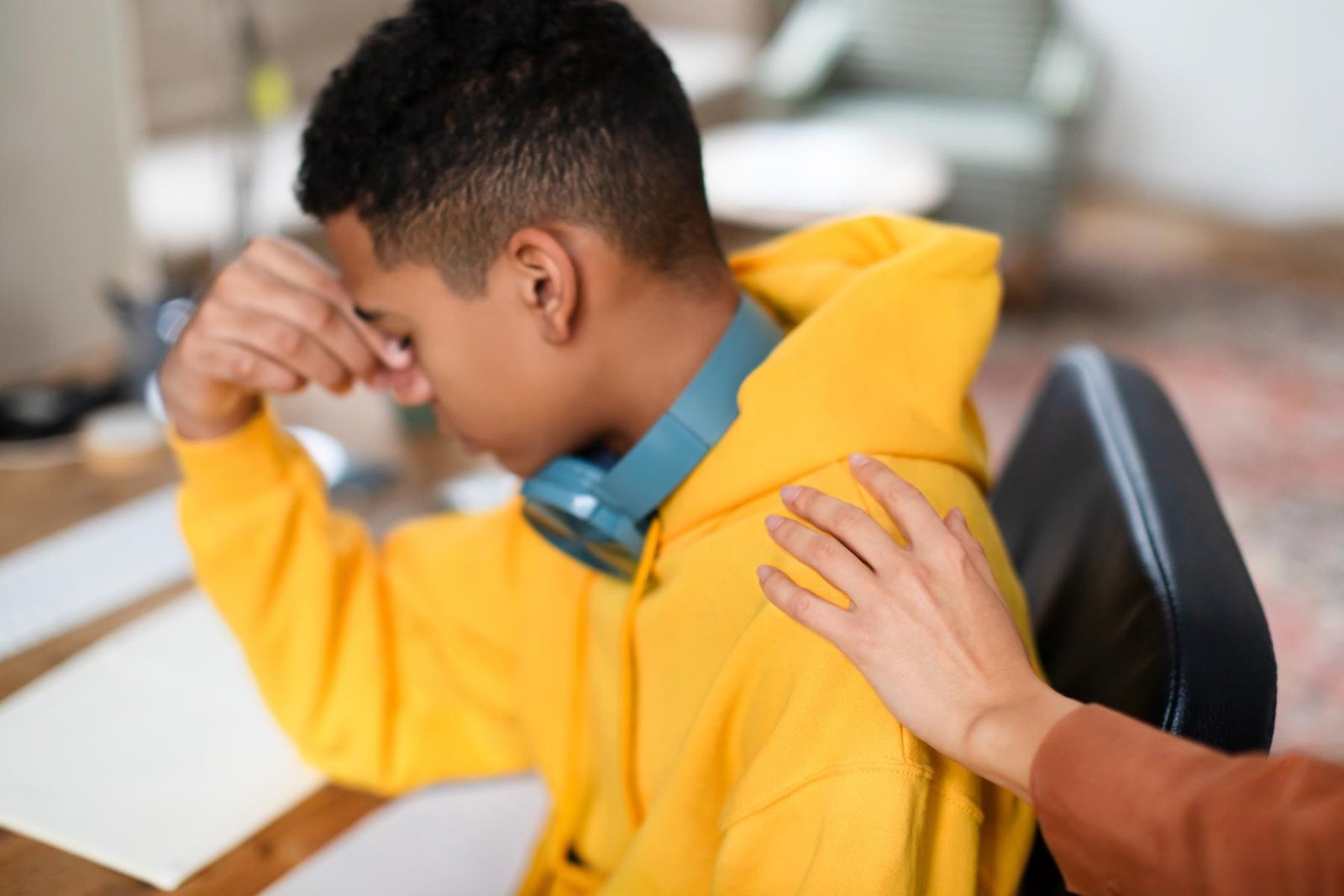
Sometimes, really upsetting things happen that make us or our loved ones feel unsafe. Traumatic experiences include violence, abuse, neglect, natural disasters, or accidents. These can happen once or many times.
Children and adolescents feel and react to these events in different ways. Not everyone who goes through something upsetting will feel it as trauma. But for some, even hearing about something bad that happened to someone they love can be traumatic. These reactions don’t mean the child is “weak” or “overacting.” They are real responses of the brain and body to a memory that still feels dangerous, even though it’s in the past. It’s normal to feel upset after these events, and most kids get better over time. But some may continue to feel long-lasting pain.
What is typical?
for them to feel scared or upset for a while. Here’s what you might expect to see in the weeks following the event:
- Immediately after the event.Children and teenagers might have tantrums, be moody, or revert to behaviors from when they were younger, such as bed-wetting. They may not want to be away from caregivers or have trouble sleeping. Teenagers may be more withdrawn or show changes in how they relate to others.
- Avoidance behaviors.They might avoid things that remind them of what happened, such as certain places, people, activities, or even conversations.
- Emotional responses.They may experience flashbacks or nightmares and feel anxious, guilty, sad, angry, or ashamed. They may also have startle reactions to sounds or situations that remind them of the event.
Most children and teenagers naturally start to feel better with time, especially when they feel supported. However, if they are still struggling a month or more after the event, or if the suffering is constant and disrupts daily life, they may need extra help.
For caregivers, it’s important to provide a supportive environment where children feel safe to express their feelings. Encourage open communication and let them know it’s okay to talk about their fears and worries. Be patient and understanding, as each child may process trauma differently.
When should I be concerned?
There are several signs that show a child may be experiencing persistent distress after a traumatic experience, especially if these signs last for more than four weeks and interfere with daily life.
These signs can vary but are important to recognize:
Frequently remembering and feeling the experience again:
- Acting out the event during play: Your child may play in a way that repeats what happened.
- Unwanted thoughts or images: Your child might have bad pictures of the experience in their mind or think about it without meaning to.
- Nightmares or bad dreams: Your child may have bad dreams or nightmares about the experience.
- Feeling upset when reminded: Your child could feel scared or very afraid when something reminds them of the experience, and they might feel physical symptoms like a fast heartbeat, shaking, or stomach pain.
Avoiding reminders of the trauma:
- Avoidance behaviors: Your child may try not to think about the experience, avoid people, places, or things that remind them of it, and avoid talking about it.
Negative changes in mood or view of the world:
- Mood changes: Your child might have tantrums, moodiness, or mood swings and be easily annoyed or restless.
- Separation anxiety: Your child may have trouble being away from caregivers.
- Feelings of guilt or sadness: Your child might feel guilt, shame, anger, or sadness and think the world is dangerous.
- Loss of interest: Your child could lose interest in school, hobbies, or spending time with friends.
Anxiety symptoms:
- Increased fearfulness: Your child may be more fearful and have trouble concentrating.
- Sleep disturbances: Your child might have disturbed or restless sleep.
- Startle response: Your child may get easily scared or jump when something makes a noise or moves suddenly.
- Hypervigilance: Your child might be very alert or watchful, as if something bad is going to happen, and feel scared or think they or their family might be in danger.
Recognizing these signs can help caregivers seek the appropriate support for their child.
What can I do to help?
As a caregiver, being supportive and understanding is crucial. Your support can make all the difference. Here are some things you can try:
- Help your child feel safe.Provide comfort through hugs, cuddles, or a gentle pat on the back. Show that you’re available to listen without pressure. Physical and emotional reassurance can help your child feel secure and loved.
- Be there for your child.Spend quality time with them and listen to their feelings. Set aside time for simple activities like playing or reading together. This connection strengthens your bond and shows your child they are not alone.
- Acknowledge their feelings.Confirm what they say instead of dismissing their worries. Tell them it’s okay to feel scared, sad, or angry. Letting them know their feelings are valid helps build trust.
- Act calm.Stay calm and avoid sharing your own worries. Your calm demeanor can help your child feel more at ease and less anxious.
- Keep routines.Maintain the same daily schedule for meals, play, and bedtime. Routines provide a sense of stability and predictability, which can be comforting.
- Encourage fun activities.Let them do things they enjoy to feel normal again. Appreciate small achievements and encourage your child to do what they are good at to help restore self-confidence.
- Limit exposure to upsetting news.Keep kids from seeing or hearing too much about traumatic events in the news or in movies.
- Teach ways to calm down.Help your child find strategies that work for them, such as deep breathing, cuddling a toy, listening to music, or drawing.
What kind of professional support can I seek out?
If you’re worried about your child’s distress after a traumatic event, particularly if it seems to last a long time, there is help available.
Talk to your child’s pediatricianor family doctor. They can refer you to other specialists, such as mental health professionals. Mental health professionals can help both the child and the caregivers. They can work with you to support your child at home and in therapy. Professional support not only helps overcome symptoms but also strengthens a child’s ability to face future challenges. The sooner this care is started, the greater the chances of a complete recovery.
You can also find free support through the Unified Health System (SUS). Care often begins at your local Basic Health Unit (UBS). Other services include Child and Adolescent Psychosocial Care Centers (CAPS i), specialty centers, and clinics at university hospitals.
Onde encontrar
mais informações
Saiba como funciona o SUS para saúde
mental de crianças e adolescentes.
What did you
think of the guides?
Tell us what you think of the guides! Your feedback can help us improve them. Is there a topic you’ve been looking for and haven’t found?