




Having bad memories or feelings about a very stressful experience
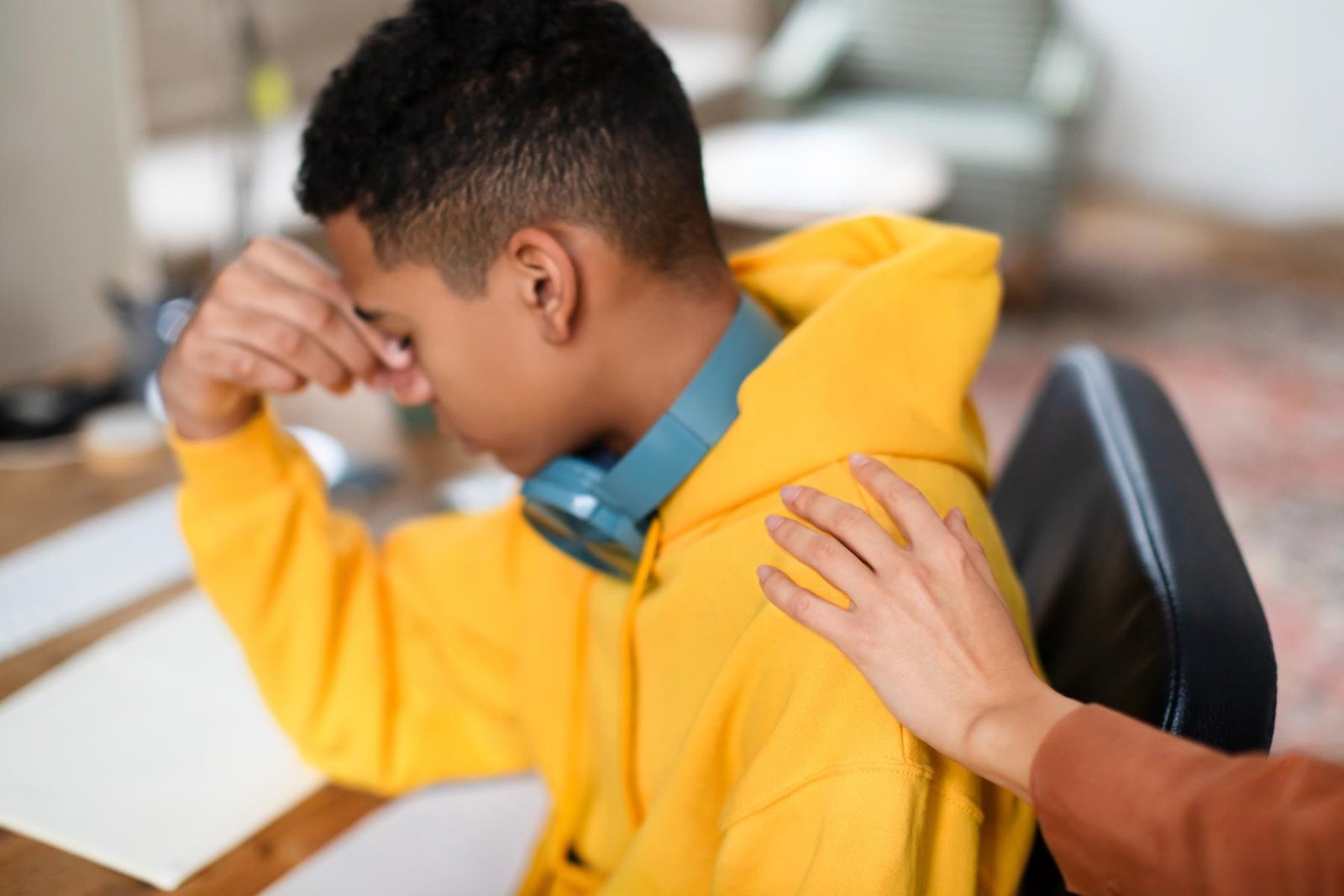
Throughout life, many upsetting things can happen to us. Traumatic experiences are those that involve real or possible threats to a child’s life, safety, or well-being. These can include violence, abuse, neglect, natural disasters, accidents, or the loss of a loved one. These events can happen once or many times.
For students who have gone through trauma, the event doesn’t just remain in the past; it can come back so vividly that it seems to be happening again. These situations can profoundly affect the well-being and behavior of children and adolescents. As educators, it’s important to know what’s expected and what indicates the need for extra attention.
What is typical?
It is normal for a student or teen to feel scared or upset after a frightening event. It usually takes some time for them to feel better.
Right after a trauma, in the first few days or weeks, students might have tantrums, mood swings, revert to younger behaviors, have trouble sleeping or concentrating, or have a frequent need for attention. They might avoid certain places or situations, have flashbacks or nightmares, and feel anxious, guilty, sad, angry, or ashamed. They may also have startle reactions to sounds or images that remind them of the event.
Most students and teens start to feel better over time, especially if they are in a safe and supportive environment. But some may still have a hard time one month or more after the event. They need support to help them cope. As educators, understanding these typical reactions can help us provide appropriate support.
When should I be concerned?
Be aware if, a month or more after the event, the student continues to show signs of distress. Because educators are in daily contact with students, they may notice these signs even before their families.
Signs that a student is still struggling after a trauma include:
Re-experiencing the Trauma:
- Acting out the event during play or making repetitive jokes about what happened
- Unwanted thoughts or images popping into their heads
- Nightmares related to what happened
- Feeling upset when remembering the event, with physical reactions like shaking, sweating, or stomach pain
- Feeling as if the experience is happening again
Avoiding Reminders of the Trauma:
- Not wanting to go to certain places, see certain people, or do certain activities related to the event
- Being reluctant to talk about the subject, even when asked carefully
Negative Changes in Mood and Thinking:
- Tantrums, mood swings, sadness, irritation, fear, or distrust
- Feeling guilty, ashamed, angry, or helpless
- Thinking the world is dangerous or that no one can be trusted
- Losing interest in school or activities they once liked
Increased Anxiety and Arousal:
- Expressing more fear
- Finding it hard to focus
- Trouble sleeping
- Getting scared easily by sudden noises or movements
- Being in “defense mode,” easily startled or constantly alert
- Frequent physical pain like headaches or stomachaches without an apparent cause
What can I do to help?
Teachers often notice changes in behavior after a student experiences a trauma. The school environment can become a space of stability and support. Here’s what you can do:
- Be a welcoming adult: Let the student know you are there for them and offer a listening ear. A simple “I’m here if you want to talk” conveys security. Validate their feelings by saying things like, “I imagine this has been difficult for you.”
- Offer to talk without pressure: Gently ask if they want to talk about what happened, but do not pressure them. Forcing conversations can cause withdrawal. The most important thing is for the student to know they can count on you.
- Create a safe and predictable classroom environment:A consistent routine, clear rules, and organization can help reduce stress and create a safe environment. Avoid surprises whenever possible.
- Encourage enjoyable activities: Help the student reconnect with activities they enjoy or excel at to promote a sense of normalcy and emotional recovery.
- Validate their emotions: Let them know it’s okay to feel a range of emotions after a traumatic experience.
- Teach coping skills: Introduce simple relaxation techniques like deep breathing exercises, short breaks, or gentle movements to help manage anxiety and improve concentration.
- Inform caregivers and school support staff: Share your observations with the student’s caregivers in a respectful and collaborative manner. Consult with the school counselor or psychologist for guidance and to brainstorm strategies together.
Showing students that they are valued and that school is a safe place makes a big difference.
What kind of professional support can I seek out?
The first step is to talk with the family and suggest they speak with specialized professionals, such as a pediatrician, psychologist, or psychiatrist, depending on the student’s needs.
You can also inform families about free support available through the Unified Health System (SUS). Care often begins at the nearest Basic Health Unit (UBS), which can refer them to specialized services. These may include Child and Adolescent Psychosocial Care Centers (CAPS i), Medical and Psychosocial Specialty Centers, and outpatient clinics at university or regional hospitals.
Remember, the sooner a family is guided to the right support, the greater the student’s chances of recovery and preventing future emotional challenges.
Onde encontrar
mais informações
Saiba como funciona o SUS para saúde
mental de crianças e adolescentes.
What did you
think of the guides?
Tell us what you think of the guides! Your feedback can help us improve them. Is there a topic you’ve been looking for and haven’t found?