




Self-Injury
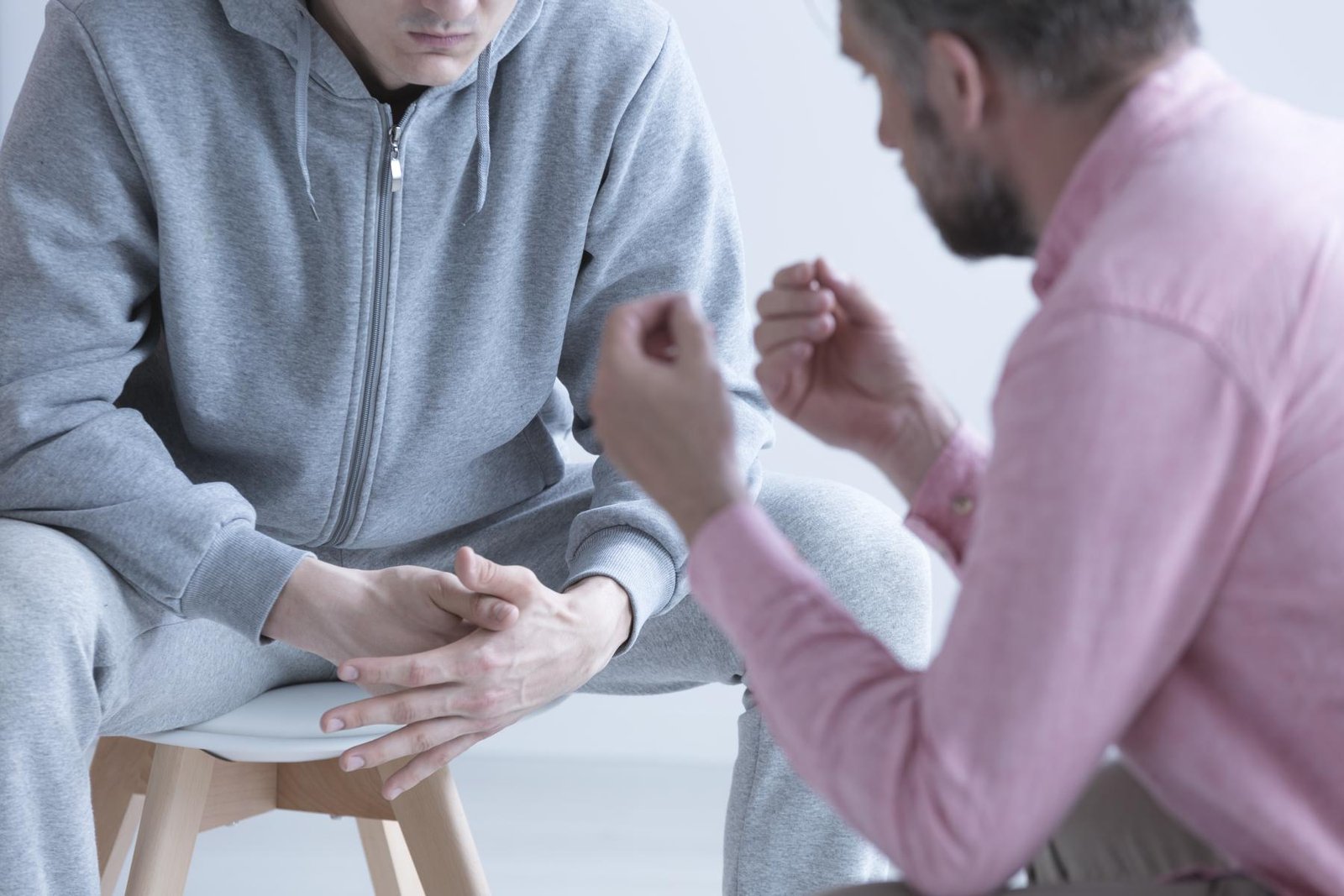
Self-injury is a behavior in which a person hurts or injures themselves, usually without the intention of dying, as a way to relieve or deal with intense and difficult emotions, such as sadness, anger, distress or frustration.
While self-injury may seem like suicidal behavior, it’s often not. Many children and adolescents report hurting themselves to alleviate or make real emotional pain, to distract themselves from suffering, or simply to feel something, especially when they’re feeling numb. For some people, self-injury is an attempt to cope with pain; for others, it can also be a way of signaling that they need help.
The most common forms of self-injury include cutting or scratching the skin with objects such as razor blades, paper clips, or pen caps. People also injure themselves through burns, hitting themselves against objects or their own bodies, and repeatedly picking at wounds.
Even though self-injury is not, in most cases, intended to cause death, it is associated with an increased risk of suicidal behavior over time. Therefore, whenever a child or adolescent intentionally harms themselves, it is essential to carefully assess whether suicidal thoughts are present.
What are the signs and symptoms of self-injury?
The essential feature of self-injury is that the individual repeatedly inflicts mild to moderate, often painful, injuries to the surface of his or her body, usually without the intention of dying.
Most commonly, the goal is to reduce negative emotions, such as tension, anxiety, sadness, or self-blame. In some cases, the injury may also be intended as self-punishment or an attempt to resolve interpersonal conflicts.
Often, people report an immediate sense of relief that occurs during or shortly after self-injury. This temporary relief acts as negative reinforcement: by self-injuring, the person experiences a rapid decrease in emotional pain, which increases the likelihood of repeating the behavior in the future whenever they are in distress.
However, this relief is often fleeting. After self-injury, feelings of guilt, shame, or regret often arise, which can further intensify emotional distress. Thus, the person enters a cycle that is difficult to break: emotional pain → self-injury → relief → guilt/suffering → new emotional pain → new self-injury.
It’s important to remember that self-injury can, in some cases, occur as a one-off or experimental behavior, especially in adolescence, without necessarily indicating a disorder or that the behavior will recur. A single occurrence should not automatically be interpreted as a sign of high risk or chronicity.
Still, it’s a sign of emotional distress and deserves attention. Self-injury is relatively common among adolescents and can arise in response to intense emotional challenges, interpersonal difficulties, or changes in the family or school environment.
What should guide the risk assessment and need for referral is not just the presence of an isolated episode, but factors such as:
- Frequency of behavior (whether it occurs repeatedly).
- Intensity of injuries (physical severity of damage).
- Escalation pattern (whether injuries are becoming more severe or frequent).
- Presence of associated symptoms, such as suicidal ideation, significant depression, social isolation or hopelessness.
- Functionality and impact on daily life, such as impairment in social relationships, school performance or self-care.
Self-Injury facts
Worldwide frequency of the condition:
Self-injury is a behavior with a wide range of prevalence, affecting 7% to 66% of people, according to international studies. This variation depends on how the behavior is defined, the characteristics of the group studied, and the methods used for assessment.
Impact of the condition in Brazil:
In Brazil, between 2009 and 2024, more than 4,639,100 cases of self-injury were reported, with an average annual increase of 21.9% in reports.
During the COVID-19 pandemic, especially between 2022 and 2023, cases of self-injury in Brazil registered a significant increase of 32.2%.
Gender ratio:
Although some studies do not identify significant variations between men and women, recent research indicates a prevalence of self-injury without suicidal ideation of 19.4% among women and 12.9% among men.
Additionally, women tend to use methods that involve blood, such as cutting, more often than men.
Peak age of onset:
Non-suicidal self-injury disorder typically begins between the ages of 13 and 16 and can persist for several years. Earlier onsets tend to be associated with more severe manifestations.
Proportion of the condition that emerges before age 18:
Prevalence usually peaks between the ages of 17 and 18 and the early 20s, with a tendency to decrease in adulthood.
In Brazil, there has been an increase in reports of self-injury across all age groups from age 10 onward. Although rates are rising among all races and ethnicities, the Indigenous population has the highest rates, with more than 100 cases per 100,000 people, and is the group with the lowest hospitalization rate compared to the general population.
What are the factors associated with Self-injury?
Individuals exposed to other people who self-injury, including in hospital settings,
school, correctional, and community settings are more likely to initiate self-injury, potentially through social modeling or social learning mechanisms.
Self-injury appears predominantly maintained by negative reinforcement, where the behavior is reported to rapidly reduce negative emotion and aversive emotional arousal.
Some who engage in the behavior also report that self-injury can quickly reduce unwanted dissociative experiences and even suicidal ideation, as well as serve as a way to cope with trauma-related symptoms such as anger and/or self-directed disgust.
However, other forms of social and emotional reinforcement can also support behavior, such as the desire to provoke reactions from others or generate positive feelings.
Beyond the direct effects on the health and development of those who self-injury, this behavior is recognized as a public health problem. This is because it impacts not only the individual’s life but also their emotional and social relationships, especially with their family.
Furthermore, it represents a challenge for health and education services, which often face resource shortages and overloaded care, making it difficult to adequately respond to the needs of these young people.
Association with suicidal thoughts or behaviors
While self-injury usually occurs without suicidal intent, many people with a history of this behavior may also develop suicidal ideation or attempt suicide. Therefore, it is crucial to assess the risk of suicide in these cases, considering both the person’s own account and information from family members or close associates about recent changes in mood and coping with stressors.
International research shows that, on average, the onset of non-suicidal self-injury usually precedes suicide attempts by one to two years. Furthermore, factors such as the use of different self-injury methods, high frequency of episodes, early onset of the behavior, and motivations such as emotional relief or self-punishment are strongly associated with a higher risk of suicidal ideation and attempts.
Comorbidity between self-injury and suicidal behavior is high. Studies indicate that approximately 50% of people who self-injury in the general population also exhibit suicidal behavior, a figure that can reach 70% in clinical settings.
How is self-injury treated?
The most consistent evidence for the treatment of self-injury among adolescents and young adults points to the effectiveness of Dialectical Behavior Therapy (DBT), particularly in its form adapted for adolescents (DBT-A), which combines emotional regulation skills, coping strategies, and family interventions.
However, other psychotherapeutic approaches also demonstrate potential, such as Cognitive Behavioral Therapy (CBT) and Mentalization-Based Therapy (MBT).
These modalities generally seek to address underlying emotional difficulties, improve interpersonal skills, and explore cognitive and relational patterns linked to self-injury. In the psychopharmacological field, although studies are limited and heterogeneous, some classes of medications have been used, primarily as treatments for disorders associated with self-injury.
Selective serotonin reuptake inhibitors (SSRIs) and serotonin-norepinephrine reuptake inhibitors (SNRIs) are the most frequently prescribed, especially when there are comorbidities such as depression or anxiety.
Atypical antipsychotics (such as aripiprazole and olanzapine) have been explored in more severe cases, as have mood stabilizers and opioid antagonists (such as naltrexone).
Despite this, the combination of antidepressants with CBT still lacks robust evidence for reducing self-injury behaviors, with reports of worsening in some cases, which reinforces the need for care in therapeutic choice and studies that isolate self-injury as the primary outcome.
References
Clinical description, symptoms, and diagnostic information
– American Psychiatric Association. (2022). Diagnostic and statistical manual of mental disorders: Fifth edition text revision DSM-5-TR. American Psychiatric Association Publishing.
– Bresin K, Schoenleber M (2015) Gender differences in the prevalence of nonsuicidal self-injury: a meta-analysis. Clin Psychol Rev 38:55–64. From [https://www.sciencedirect.com/science/article/abs/pii/S0272735815000409?via%3Dihub//].
– Child Mind Institute. (2023, November 6). Help for Cutting and Other Self-Injury . Reported July 28, 2025, from https://childmind.org/article/what-drives-self-injury-and-how-to-treat-it//
– Child Mind Institute. (2023, October 30). Quick Facts on Self-Injury. Reported July 28, 2025, from https://childmind.org/article/quick-facts-on-self-injury//.
– Gillies D et al (2018) Prevalence and characteristics of self-harm in adolescents: meta-analyses of community-based studies 1990–2015. J Am Acad Child Adolesc Psychiatry 57(10):733–741. From [https://www.jaacap.org/article/S0890-8567(18)31267-X/abstract//].
– Turner, BJ, Austin, SB, & Chapman, AL (2014). Treating nonsuicidal self-injury: a systematic review of psychological and pharmacological interventions. Canadian journal of psychiatry. Revue canadienne de psychiatrie, 59(11), 576–585. From [https://doi.org/10.1177/070674371405901103//].
Facts
– American Psychiatric Association. (2022). Diagnostic and statistical manual of mental disorders: Fifth edition text revision DSM-5-TR. American Psychiatric Association Publishing.
– Benjet, C., González-Herrera, I., Castro-Silva, E., Méndez, E., Borges, G., Casanova, L., & Medina-Mora, ME (2017). Non-suicidal self-injury in Mexican young adults: Prevalence, associations with suicidal behavior and psychiatric disorders, and DSM-5 proposed diagnostic criteria. Journal of affective disorders , 215 , 1–8. From [https://doi.org/10.1016/j.jad.2017.03.025//].
– Child Mind Institute. (2023, November 6). Help for Cutting and Other Self-Injury . Reported July 28, 2025, from https://childmind.org/article/what-drives-self-injury-and-how-to-treat-it//
– Child Mind Institute. (2023, October 30). Quick Facts on Self-Injury. Reported July 28, 2025, from https://childmind.org/article/quick-facts-on-self-injury//.
– Farkas, B.F., Takacs, Z.K., Kollárovics, N., & Balázs, J. (2024). The prevalence of self-harm in adolescence: A systematic review and meta-analysis. European child and adolescent psychiatry, 33(10), 3439–3458. [https://doi.org/10.1007/s00787-023-02264-y//].
– Ferreira Ribeiro, MC, Varge, HM da S., Machado, YF, Salotti, CK de O., Martins, KS dos R., Cabral, LA de JL Costa, GK da. (2024). Self-harm and suicide in the post-COVID-19 context: Challenges and psychological impacts. Journal of Medical and Biosciences Research , 1 (5), 427–435. From [https://doi.org/10.70164/jmbr.v1i5.408//].
– Ministry of Health/SVS – Notifiable Diseases Information System – Sinan Net. Interpersonal Violence/Au toprovoked in Brazil. 2009 to 2024. From [http://tabnet.datasus.gov.br/cgi/deftohtm.exe?sinannet/cnv/violebr.def //].
– Oliveira Alves, Flávia Jôse et al. (2024). The rising trends of self-harm in Brazil: an ecological analysis of notifications, hospitalizations, and mortality between 2011 and 2022. The Lancet Regional Health – Americas, Volume 31, 100691. From: [https://www.thelancet.com/journals/lanam/article/PIIS2667-193X(24)00018-8/fulltext#:~:text=From%202011%20to%202022%2C%20720%2C480,have%20increased%20in%20the%20country//].
– Simioni, AR, Pan, PM, Gadelha, A., Manfro, GG, Mari, JJ, Miguel, EC, Rohde, LA, & Salum, GA (2018). Prevalence, clinical correlates and maternal psychopathology of deliberate self-harm in children and early adolescents: results from a large community study. Brazilian journal of psychiatry (Sao Paulo, Brazil: 1999), 40(1), 48–55. From [https://doi.org/10.1590/1516-4446-2016-2124//].
– Spears, M., Montgomery, AA, Gunnell, D., & Araya, R. (2014). Factors associated with the development of self-harm amongst a socio-economically deprived cohort of adolescents in Santiago, Chile. Social psychiatry and psychiatric epidemiology, 49(4), 629–637. From [https://doi.org/10.1007/s00127-013-0767-y//].
– Turner, BJ, Austin, SB, & Chapman, AL (2014). Treating nonsuicidal self-injury: a systematic review of psychological and pharmacological interventions. Canadian journal of psychiatry. Revue canadienne de psychiatrie, 59(11), 576–585. From [https://doi.org/10.1177/070674371405901103//].
Associated factors
– American Psychiatric Association. (2022). Diagnostic and statistical manual of mental disorders: Fifth edition text revision DSM-5-TR. American Psychiatric Association Publishing.
– Farkas, B.F., Takacs, Z.K., Kollárovics, N., & Balázs, J. (2024). The prevalence of self-harm in adolescence: A systematic review and meta-analysis. European child and adolescent psychiatry, 33(10), 3439–3458. [https://doi.org/10.1007/s00787-023-02264-y//].
– Gandhi A et al (2018) Age of onset of non-suicidal self-injury in Dutch-speaking adolescents and emerging adults: an event history analysis of pooled data. Compr Psychiatry 80:170–178. From [https://www.sciencedirect.com/science/article/abs/pii/S0010440X17302353?via%3Dihub//].
– Oliveira Alves, Flávia Jôse et al. (2024). The rising trends of self-harm in Brazil: an ecological analysis of notifications, hospitalizations, and mortality between 2011 and 2022. The Lancet Regional Health – Americas, Volume 31, 100691. From: [https://www.thelancet.com/journals/lanam/article/PIIS2667-193X(24)00018-8/fulltext#:~:text=From%202011%20to%202022%2C%20720%2C480,have%20increased%20in%20the%20country//].
– Simioni, AR, Pan, PM, Gadelha, A., Manfro, GG, Mari, JJ, Miguel, EC, Rohde, LA, & Salum, GA (2018). Prevalence, clinical correlates and maternal psychopathology of deliberate self-harm in children and early adolescents: results from a large community study. Brazilian journal of psychiatry (Sao Paulo, Brazil: 1999), 40(1), 48–55. From [https://doi.org/10.1590/1516-4446-2016-2124//].
– Spears, M., Montgomery, AA, Gunnell, D., & Araya, R. (2014). Factors associated with the development of self-harm amongst a socio-economically deprived cohort of adolescents in Santiago, Chile. Social psychiatry and psychiatric epidemiology, 49(4), 629–637. From [https://doi.org/10.1007/s00127-013-0767-y//].
– Trinco MEM, Santos JC, Barbosa A. (2017). Experiences and Needs of Parents in the Hospitalization of an Adolescent Child with Self-Injurious Behavior. Rev Enfermagem Referência. 4(13):115-24. From [http://dx.doi.org/10.12707/RIV17008//]
Co-occurring disorders
– American Psychiatric Association. (2022). Diagnostic and statistical manual of mental disorders: Fifth edition text revision DSM-5-TR.
– Gillies D et al (2018) Prevalence and characteristics of self-harm in adolescents: meta-analyses of community-based studies 1990–2015. J Am Acad Child Adolesc Psychiatry 57(10):733–741. From [https://www.jaacap.org/article/S0890-8567(18)31267-X/abstract//].
– Klonsky ED, Muehlenkamp JJ (2007) Self-injury: a research review for the practitioner. J Clin Psychol 63(11):1045–1056. From [https://onlinelibrary.wiley.com/doi/10.1002/jclp.20412//].
– Muehlenkamp JJ, Gutierrez PM (2007) Risk for suicide attempts among adolescents who engage in non-suicidal self-injury. Arch Suicide Res 11(1):69–82. From [https://www.tandfonline.com/doi/abs/10.1080/13811110600992902//].
– Nock M et al (2006) Non-suicidal self-injury among adolescents: diagnostic correlates and relation to suicide attempts. Psychiatry Res 144:65–72. From [https://www.sciencedirect.com/science/article/abs/pii/S0165178106001351?via%3Dihub//].
Interventions
– American Psychiatric Association. (2022). Diagnostic and statistical manual of mental disorders: Fifth edition text revision DSM-5-TR.
– Oliveira Alves, Flávia Jôse et al. (2024). The rising trends of self-harm in Brazil: an ecological analysis of notifications, hospitalizations, and mortality between 2011 and 2022. The Lancet Regional Health – Americas, Volume 31, 100691. From: [https://www.thelancet.com/journals/lanam/article/PIIS2667-193X(24)00018-8/fulltext#:~:text=From%202011%20to%202022%2C%20720%2C480,have%20increased%20in%20the%20country//].
– Simioni, AR, Pan, PM, Gadelha, A., Manfro, GG, Mari, JJ, Miguel, EC, Rohde, LA, & Salum, GA (2018). Prevalence, clinical correlates and maternal psychopathology of deliberate self-harm in children and early adolescents: results from a large community study. Brazilian journal of psychiatry (Sao Paulo, Brazil: 1999), 40(1), 48–55. From [https://doi.org/10.1590/1516-4446-2016-2124//].
– Spears, M., Montgomery, AA, Gunnell, D., & Araya, R. (2014). Factors associated with the development of self-harm amongst a socio-economically deprived cohort of adolescents in Santiago, Chile. Social psychiatry and psychiatric epidemiology, 49(4), 629–637. From [ ].
– Turner, BJ, Austin, SB, & Chapman, AL (2014). Treating nonsuicidal self-injury: a systematic review of psychological and pharmacological interventions. Canadian journal of psychiatry. Revue canadienne de psychiatrie, 59(11), 576–585. From [https://doi.org/10.1177/070674371405901103//].
Onde encontrar
mais informações
Saiba como funciona o SUS para saúde
mental de crianças e adolescentes.
What did you
think of the guides?
Tell us what you think of the guides! Your feedback can help us improve them. Is there a topic you’ve been looking for and haven’t found?