




Speech Sound Disorder
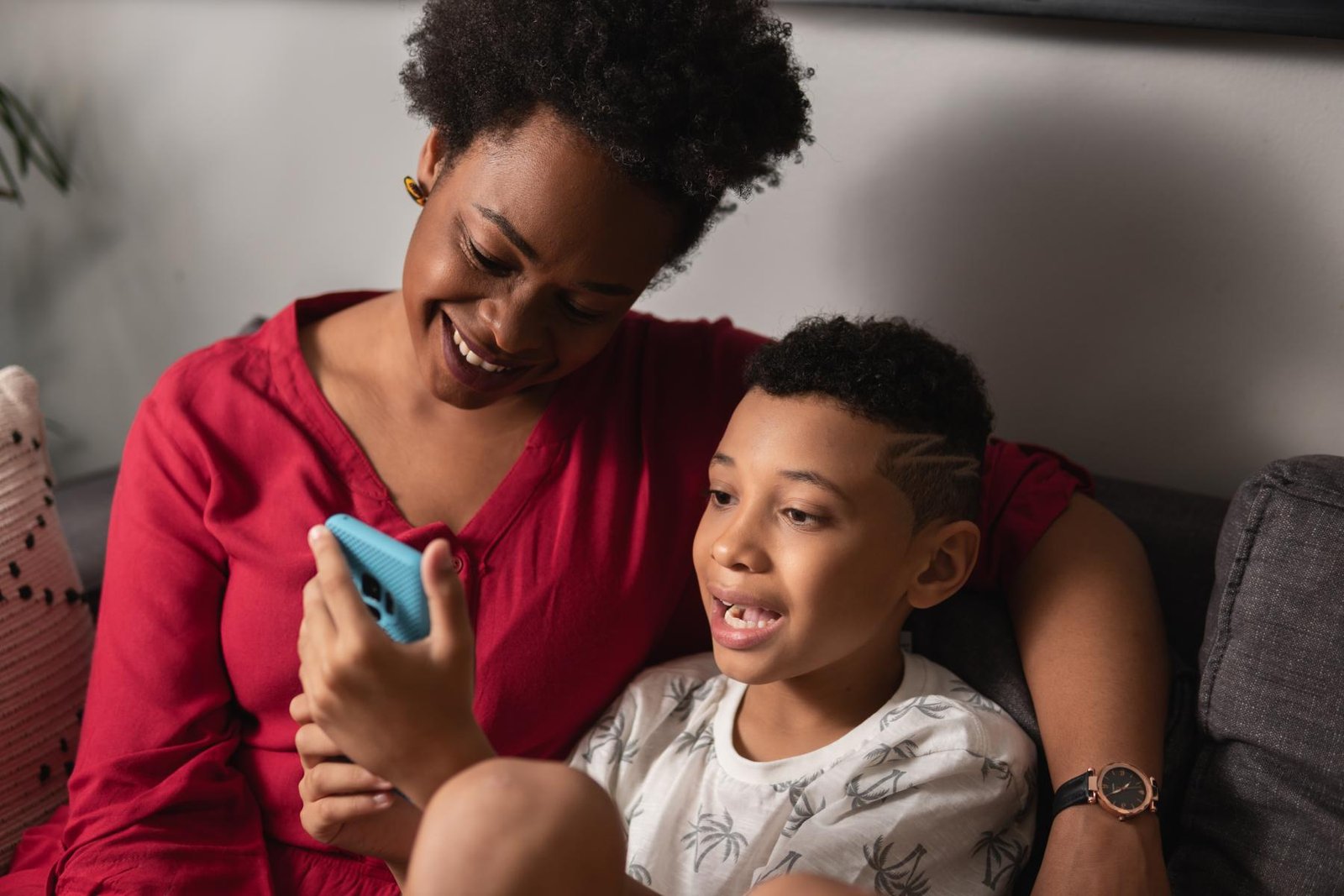
Speech Sound Disorder is a communication disorder where children have trouble making speech sounds correctly. This can make it hard for others to understand them. These difficulties often start in early childhood and can include problems with pronouncing certain sounds, like “r” or “s,” or speaking clearly. The disorder is not caused by hearing problems or physical issues like a cleft palate. Children with speech sound disorder might have trouble moving their mouth, tongue, or lips to make the right sounds. This disorder is different from language disorders, which involve understanding and using words and sentences.
What are the symptoms of Speech Sound Disorder?
Children with speech sound disorder show various symptoms that affect how they produce speech sounds.
Core symptoms of speech sound disorder
– Difficulty making certain speech sounds: They may struggle with sounds like “r” or “s.”
– Difficulty being understood by others when speaking: Their speech might be unclear to people who don’t know them well.
– Difficulty speaking clearly: They might mumble or slur their words.
– Difficulty saying words correctly: They may mix up sounds or leave sounds out of words.
– Difficulty talking in social situations: They might avoid speaking in groups or with new people.
– Difficulty speaking in class or at work: They may feel embarrassed or anxious about speaking in front of others.
– Difficulty in school or at work due to their speech: Their speech issues can affect their learning or job performance.
– Difficulty and avoided talking because of speech problems: They might choose not to speak to avoid being misunderstood.
– Difficulty making friends because of their speech: They may struggle to connect with peers due to communication barriers.
– Difficulty and lacked confidence because of their speech: Their speech issues can impact their self-esteem.
Associated symptoms of speech sound disorder
– Behavior problems: Frustration from communication difficulties can lead to acting out.
– Social withdrawal: They might avoid social interactions due to embarrassment or fear of misunderstanding.
– Low self-esteem: Struggling with speech can affect their confidence.
– Academic challenges: Speech difficulties can impact learning and school performance.
How is Speech Sound Disorder diagnosed?
A speech and language pathologist usually diagnoses speech sound disorder. They use standardized tests to assess a child’s ability to produce speech sounds. Kids are typically diagnosed when their speech errors are no longer age appropriate. The pathologist will look at how well the child can make sounds, how clear their speech is, and how these issues affect their daily life. The evaluation may include observing the child in different settings, like at home or school, to see how their speech affects their interactions and learning. The pathologist will also check that the speech problems are not due to other conditions, like hearing loss or neurological issues. After the evaluation, the pathologist will provide recommendations for treatment, which often includes speech therapy.
Speech Sound Disorder facts
Worldwide prevalence:
Estimates of the prevalence of speech disorders range from 1% to 5% of the global population, although there are large variations between different groups and studies. Currently, there is no representative national data in Brazil.
Gender ratio:
Prevalence data indicate that boys are diagnosed more frequently than girls, at a ratio of 1.5:1.
Most common age of onset:
Peak Age of Onset of the Disorder Speech is estimated to be around 4 years, earlier than the average for neurodevelopmental disorders in general, which is 5.5 years.
Proportion of cases arising before age 18:
Although there are no recent estimates specific to this disorder, approximately 83.2% of individuals with a neurodevelopmental disorder are diagnosed before the age of 18.
What are the associated factors for Speech Sound Disorder?
Some common factors linked with speech sound disorder are:
– Genetic and familial factors: A family history of speech and language difficulties is a strong predictor of speech sound disorder.
– Environmental factors: Lower socioeconomic status and lower levels of maternal education are linked to a higher risk of speech sound disorder.
– Biological factors: Being male, having hearing impairments, and early childhood developmental issues like weak sucking or not combining words early are risk factors.
– Perinatal factors: Preterm birth, low birth weight, and birth complications are associated with a higher risk of speech sound disorder.
– Motor skills: Poor motor skills, including coordination problems, are linked to speech sound disorder.
– Temperament: A more reactive temperament in children has been identified as a risk factor for speech and language impairment.
What other disorders co-occur with Speech Sound Disorder?
Speech sound disorder can co-occur with other developmental disorders, such as language impairment, reading disorders, and attention deficit hyperactivity disorder (ADHD). A positive family history of speech or language disorders is often present. Children with speech sound disorder may have difficulty coordinating the movements needed for speech, which can also affect skills like chewing or blowing the nose. This can lead to challenges in social settings, as they may feel uncomfortable or embarrassed talking to others. Recognizing and addressing these co-occurring conditions is important for providing comprehensive support and intervention.
How is Speech Sound Disorder treated?
Speech sound disorder is usually treated with speech therapy. In therapy sessions, children learn how to make the sounds they struggle with and how to tell when they’re making a mistake. They practice saying words and sentences correctly and work on speaking clearly. Therapy also helps them feel more comfortable speaking in different situations.
Speech therapy is tailored to each child’s needs and may include individual sessions, group therapy, or parent training. The therapist works with the child to improve their speech production and communication skills. They may use games, exercises, and other activities to make learning fun and engaging. Parent involvement is crucial, as they can help reinforce skills at home.
While medication is not typically used to treat speech sound disorder directly, it may be prescribed if the child has co-occurring conditions like ADHD or anxiety. In such cases, medications can help manage symptoms that interfere with speech therapy. It is important for caregivers to work closely with healthcare providers to monitor the child’s progress and adjust treatment as needed. Combining therapy with supportive home and school environments can lead to the best outcomes for children with speech sound disorder.
References
Clinical description, symptoms, and diagnostic information
– American Psychiatric Association. (2022). Diagnostic and statistical manual of mental disorders: Fifth edition text revision DSM-5-TR. American Psychiatric Association Publishing.
– Child Mind Institute. (2025, February 6). Speech sound disorder: A quick guide. https://childmind.org/guide/quick-guide-to-speech-sound-disorder/
– Child Mind Institute. (2024, January 30). Quick facts on speech sound disorder: A brief overview of the signs and symptoms of speech sound disorder, and how it’s treated in children and adolescents. https://childmind.org/article/quick-facts-speech-sound-disorder/
– Child Mind Institute. (n.d.). Speech and language therapy. Retrieved March 8, 2025, from https://childmind.org/care/areas-of-expertise/autism-clinical-center/speech-and-language-therapy/
– World Health Organization. (2025, January). ICD-11 for mortality and morbidity statistics. 6A01.0 Developmental speech sound disorder. https://icd.who.int/browse/2025-01/mms/en#551966778
Facts
– American Psychiatric Association. (2022). Diagnostic and statistical manual of mental disorders: Fifth edition text revision DSM-5-TR. American Psychiatric Association Publishing.
– Eadie, P., Morgan, A., Ukoumunne, O. C., Ttofari Eecen, K., Wake, M., & Reilly, S. (2015). Speech sound disorder at 4 years: Prevalence, comorbidities, and predictors in a community cohort of children. Developmental Medicine & Child Neurology, 57(6), 578–584. https://doi.org/10.1111/dmcn.12635
– Hearnshaw, S., Baker, E., & Munro, N. (2019). Speech perception skills of children with speech sound disorders: A systematic review and meta-analysis. Journal of Speech, Language, and Hearing Research, 62(10), 3771–3789. https://doi.org/10.1044/2019_JSLHR-S-18-0519
– Institute for Health Metrics and Evaluation (IHME). (2019). GBD compare data visualization. Seattle, WA: IHME, University of Washington. Available from http://vizhub.healthdata.org/gbd-compare. (Accessed 11/15/2022)
– McKinnon, D. H., McLeod, S., & Reilly, S. (2007). The prevalence of stuttering, voice, and speech-sound disorders in primary school students in Australia. Language, Speech, and Hearing Services in Schools, 38(1), 5–15. https://doi.org/10.1044/0161-1461(2007/002))
– Priester, G. H., Post, W. J., & Goorhuis-Brouwer, S. M. (2009). Problems in speech sound production in young children. An inventory study of the opinions of speech therapists. International Journal of Pediatric Otorhinolaryngology, 73(8), 1100–1104. https://doi.org/10.1016/j.ijporl.2009.04.014
– Shriberg, L. D., Tomblin, J. B., & McSweeny, J. L. (1999). Prevalence of speech delay in 6-year-old children and comorbidity with language impairment. Journal of Speech, Language, and Hearing Research, 42(6), 1461–1481. https://doi.org/10.1044/jslhr.4206.1461
– Solmi, M., Radua, J., Olivola, M., Croce, E., Soardo, L., Salazar de Pablo, G., Il Shin, J., Kirkbride, J. B., Jones, P., Kim, J. H., Kim, J. Y., Carvalho, A. F., Seeman, M. V., Correll, C. U., & Fusar-Poli, P. (2022). Age at onset of mental disorders worldwide: Large-scale meta-analysis of 192 epidemiological studies. Molecular Psychiatry, 27(1), 281–295. https://doi.org/10.1038/s41380-021-01161-7
– Wren, Y., Miller, L. L., Peters, T. J., Emond, A., & Roulstone, S. (2016a). Prevalence and predictors of persistent speech sound disorder at eight years old: Findings from a population cohort study. Journal of Speech, Language, and Hearing Research, 59(4), 647–673. https://doi.org/10.1044/2015_JSLHR-S-14-0282
– Wren, Y., Miller, L. L., Peters, T. J., Emond, A., & Roulstone, S. (2016b). Prevalence and predictors of persistent speech sound disorder at eight years old: Findings from a population cohort study. Journal of Speech, Language, and Hearing Research, 59(4), 647–673. https://doi.org/10.1044/2015_JSLHR-S-14-0282
Associated factors
– American Psychiatric Association. (2022). Diagnostic and statistical manual of mental disorders: Fifth edition text revision DSM-5-TR. American Psychiatric Association Publishing.
– Uzun Çiçek, A., Akdag, E., & Celebi Erdivanli, O. (2020). Sociodemographic characteristics associated with speech and language delay and disorders. Journal of Nervous & Mental Disease, 208(2), 143–146. https://doi.org/10.1097/NMD.0000000000001120
– Eadie, P., Morgan, A., Ukoumunne, O. C., Ttofari Eecen, K., Wake, M., & Reilly, S. (2015). Speech sound disorder at 4 years: Prevalence, comorbidities, and predictors in a community cohort of children. Developmental Medicine & Child Neurology, 57(6), 578–584. https://doi.org/10.1111/dmcn.12635
– Harrison, L. J., & McLeod, S. (2010). Risk and protective factors associated with speech and language impairment in a nationally representative sample of 4- to 5-year-old children. Journal of Speech, Language, and Hearing Research, 53(2), 508–529. https://doi.org/10.1044/1092-4388(2009/08-0086))
– Nelson, H. D., Nygren, P., Walker, M., & Panoscha, R. (2006). Screening for speech and language delay in preschool children: Systematic evidence review for the US Preventive Services Task Force. Pediatrics, 117(2), e298–e319. https://doi.org/10.1542/peds.2005-1467
– Salvago, P., Gorgone, E., Giaimo, S., Battaglia, E., Dispenza, F., Ferrara, S., & Martines, F. (2019). Is there an association between age at first words and speech sound disorders among 4- to 5-year-old children? An epidemiological cross-sectional study based on parental reports. International Journal of Pediatric Otorhinolaryngology, 126, 109602. https://doi.org/10.1016/j.ijporl.2019.109602
– St John, M., Columbus, G., Brignell, A., Carew, P., Skeat, J., Reilly, S., & Morgan, A. T. (2020). Predicting speech‐sound disorder outcomes in school‐age children with hearing loss: The VicCHILD experience. International Journal of Language & Communication Disorders, 55(4), 537–546. https://doi.org/10.1111/1460-6984.12536
– Wallace, I. F., Berkman, N. D., Watson, L. R., Coyne-Beasley, T., Wood, C. T., Cullen, K., & Lohr, K. N. (2015). Screening for speech and language delay in children 5 years old and younger: A systematic review. Pediatrics, 136(2), e448–e462. https://doi.org/10.1542/peds.2014-3889
– Wren, Y., Miller, L. L., Peters, T. J., Emond, A., & Roulstone, S. (2016a). Prevalence and predictors of persistent speech sound disorder at eight years old: Findings from a population cohort study. Journal of Speech, Language, and Hearing Research, 59(4), 647–673. https://doi.org/10.1044/2015_JSLHR-S-14-0282
Co-occurring disorders
– American Psychiatric Association. (2022). Diagnostic and statistical manual of mental disorders: Fifth edition text revision DSM-5-TR. American Psychiatric Association Publishing.
– Eadie, P., Morgan, A., Ukoumunne, O. C., Ttofari Eecen, K., Wake, M., & Reilly, S. (2015). Speech sound disorder at 4 years: Prevalence, comorbidities, and predictors in a community cohort of children. Developmental Medicine & Child Neurology, 57(6), 578–584. https://doi.org/10.1111/dmcn.12635
– Lewis, B. A., Patton, E., Freebairn, L., Tag, J., Iyengar, S. K., Stein, C. M., & Taylor, H. G. (2016). Psychosocial co-morbidities in adolescents and adults with histories of communication disorders. Journal of Communication Disorders, 61, 60–70. https://doi.org/10.1016/j.jcomdis.2016.03.004
– Walquist-Sørli, L., Caglar-Ryeng, Ø., Furnes, B., Nergård-Nilssen, T., Donolato, E., & Melby-Lervåg, M. (2025). Are speech sound difficulties risk factors for difficulties in language and reading skills? A systematic review and meta-analysis. Journal of Speech, Language, and Hearing Research, 68(1), 164–177. https://doi.org/10.1044/2024_JSLHR-24-00170
Interventions
– Child Mind Institute. (2025, February 6). Speech sound disorder: A quick guide. https://childmind.org/guide/quick-guide-to-speech-sound-disorder/
– Child Mind Institute. (2024, January 30). Quick facts on speech sound disorder: A brief overview of the signs and symptoms of speech sound disorder, and how it’s treated in children and adolescents. https://childmind.org/article/quick-facts-speech-sound-disorder/
– Child Mind Institute. (n.d.). Speech and language therapy. Retrieved March 8, 2025, from https://childmind.org/care/areas-of-expertise/autism-clinical-center/speech-and-language-therapy/
– Kunnari, S., Sanduvete‐Chaves, S., Chacon‐Moscoso, S., Alves, D. C., Ozbič, M., Petinou, K., Tolonen, A., Zajdó, K., Frizelle, P., Murphy, C., Saldana, D., & Laasonen, M. (2024). Intervention studies with group design targeting expressive phonology for children with developmental speech and language disorder: A systematic review and meta‐analysis. International Journal of Language & Communication Disorders, 59(6), 2686–2705. https://doi.org/10.1111/1460-6984.13110
– Rodgers, L., Harding, S., Rees, R., & Clarke, M. T. (2022). Interventions for pre‐school children with co‐occurring phonological speech sound disorder and expressive language difficulties: A scoping review. International Journal of Language & Communication Disorders, 57(4), 700–716. https://doi.org/10.1111/1460-6984.12719
– Wren, Y., Miller, L. L., Peters, T. J., Emond, A., & Roulstone, S. (2016b). Prevalence and predictors of persistent speech sound disorder at eight years old: Findings from a population cohort study. Journal of Speech, Language, and Hearing Research, 59(4), 647–673. https://doi.org/10.1044/2015_JSLHR-S-14-0282
Onde encontrar
mais informações
Saiba como funciona o SUS para saúde
mental de crianças e adolescentes.
What did you
think of the guides?
Tell us what you think of the guides! Your feedback can help us improve them. Is there a topic you’ve been looking for and haven’t found?