




Young people take the lead in improving mental health care systems
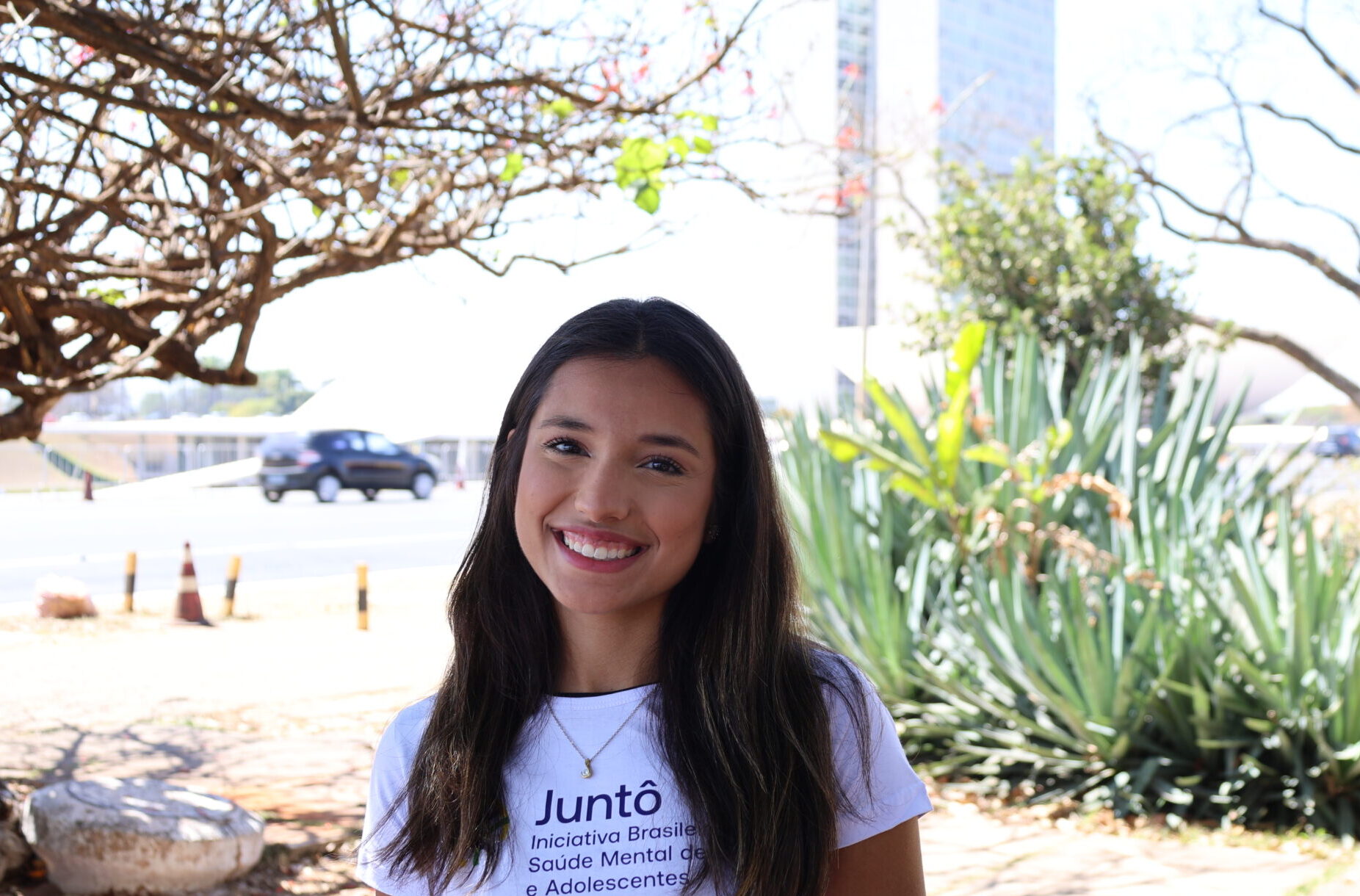
I didn’t always have the words to talk about school violence. In middle school, I began hearing stories from my mom’s work. As a civil investigator in the juvenile justice system, she dealt with dark bruises hidden beneath sleeves, children left behind, and other critical conditions.
At 15, I realized those stories were closer than I imagined. I enrolled in a public school in the Federal District—the Brazilian state with the highest rates of school-based violence. In my first week, I witnessed a traumatic experience involving a classmate who required lifesaving medical assistance during class.
Others were dragged out of school for allegedly selling drugs or carrying dangerous objects. One morning, my classmates found a potentially devastating threat scrawled on the bathroom mirror.
Fear became part of our school routine. But there was no space to talk about what we were feeling. No counselor. No mental health support. Just the expectation that we would carry on as if nothing had happened. But what happens when fear becomes routine? When school feels like the least safe place to be?
Those questions stayed with me as classmates began giving up on learning. Some had little hope in education as they juggled school with supporting their families. That reality instilled in me a need to help students navigate trauma without giving up on education.
I joined Young Peacebuilders, Brazil’s leading nonprofit preventing school violence through mental health, emotional literacy, and youth leadership. With support from the Stavros Niarchos Foundation (SNF) Global Center for Child and Adolescent Mental Health at the Child Mind Institute, I helped design the Young Peacebuilder’s curriculum targeted at strengthening and measuring school-based mental health interventions.
Through a scientific immersion at Pontifical Catholic University of Rio de Janeiro (PUC-Rio), which is consistently ranked in the top 3 best private higher education institutions in Brazil, I then worked with Professor Patrícia Bado to evaluate our program’s impact. It was my first time turning lived experience into data—so we can build better programs, by the youth and for the youth.
Over the last year, my engagement in youth mental health was catalyzed by my participation in the SNF Global Center’s Youth Council in Brazil. The Youth Council is the result of a partnership between the Institute for Health Policy Studies (IEPS) and the SNF Global Center. Our committee brings together public school students from every region of Brazil to discuss the most urgent issues affecting young people’s mental health.
For a deeper connection between youth and public healthcare workers
What makes it special is not only the exchange of knowledge — but the transformation of lived experience into actionable proposals. It is about bringing the reality of the classroom into thoughtful dialogue and watching youth-driven ideas inspire real change, as it happened when another youth council member and I spoke in Brazil’s Congress during the celebration of International Youth Day 2025, about how youth voices can help improve national mental health care systems and programs.
In addition to participating in the Youth Council, I founded Juventude pelo SUS — a nonprofit that unites young people from across Brazil in strengthening and valuing our public health system. We tell the stories of those who work in the frontlines of the country’s public health care system in youth-led podcasts with doctors, nurses, community health agents, and administrators. We turn those stories into sources of inspiration and learning.
Through a deeper connection between youth and public healthcare workers, we hope to make young people more comfortable in taking action in strengthening mental health care systems. In our nonprofit, youth also lead in producing research and analysis to improve existing health frameworks.
One of our most recent studies examined the impact of climate change on public health, reinforcing the message that protecting child and adolescent mental health also means protecting our environment and promoting sustainable solutions.
I didn’t choose to grow up around school violence. But I can choose to help transform the way we talk about it — and how we act on it.
Ana Beatriz Araújo, 17, is from Brazil’s Federal District. She is a member of the Stavros Niarchos Foundation (SNF) Global Center for Child and Adolescent Mental Health at the Child Mind Institute’s Youth Council in Brazil, and works with Young Peacebuilders, Brazil. Ana studies the impact of school-based violence prevention programs and believes every student deserves to feel emotionally and physically safe at school.
Our Voices
November 7, 2025Do you have a story
or experience about
mental health that
could inspire others?
We’d love to hear your voice!
Share your story with us for a chance to be featured and help others feel less alone.