




Aesthetic Pressure, Fashion and Mental Health: Between Self-Expression and the Need to Belong
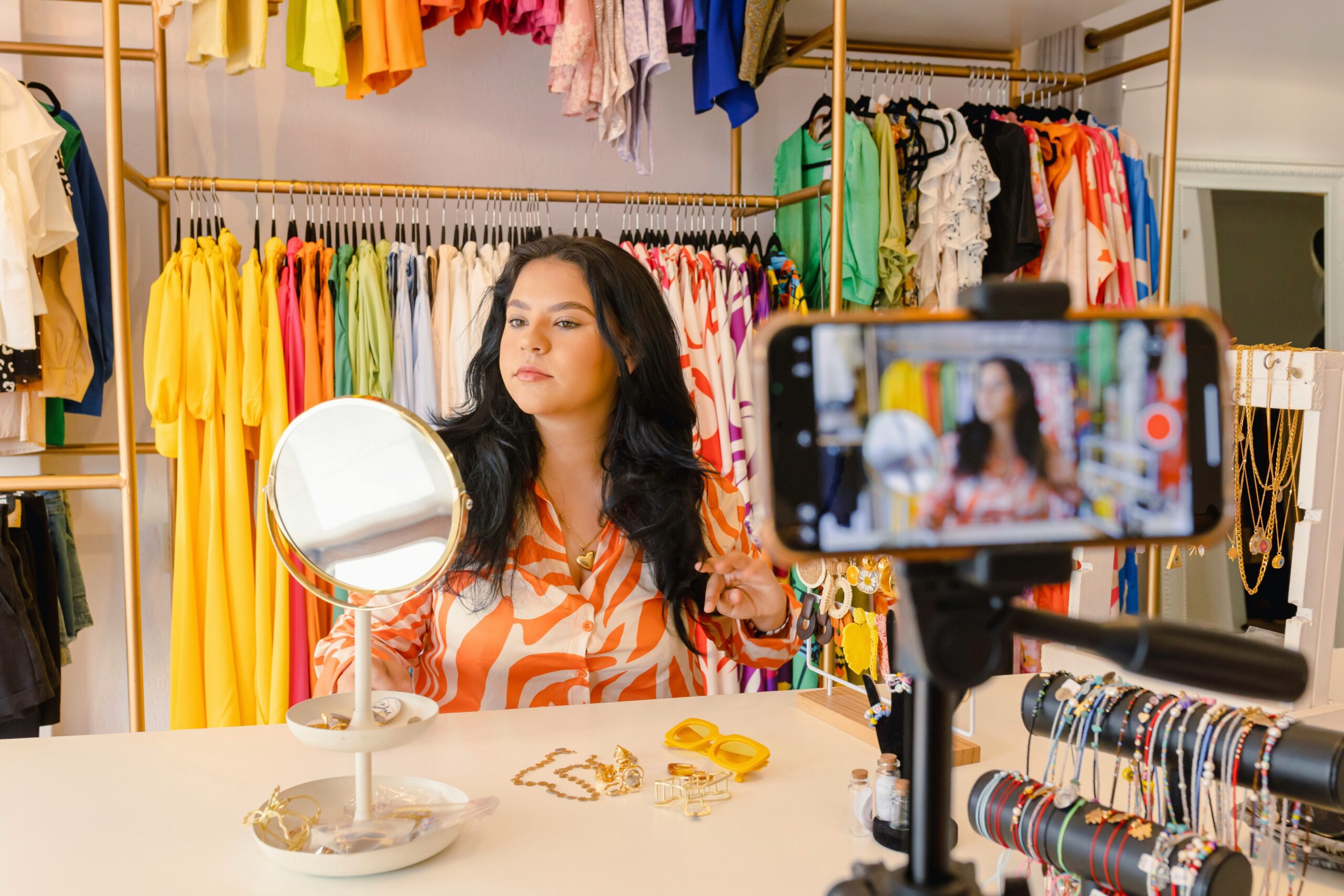
We tend to treat fashion as a simple subject or, at times, as something dispensable. As soon as someone shows an interest in clothes, trends, or style, the old idea that there are “more important” topics tends to arise. In my view, this is a mistake. Fashion has never been just about clothes. It is a form of communication and, precisely because of this, it has a significant influence on the way we see ourselves and how we relate to the world. Therefore, it has a direct relationship with our psychological well-being.
I do not believe that fashion is responsible for the mental health problems we see increasing today. The problem lies in the way it has been consumed and presented. In a society marked by social media, dressing has ceased to be merely a personal choice and has often become a relentless search for approval. We are encouraged to look perfect all the time: to wear the right clothes, follow the trend of the moment, and convey an image of success, even when reality is quite different.
This logic comes at an emotional cost. When appearance becomes a criterion for measuring personal worth, comparison becomes part of our daily lives. Gradually, many people stop choosing clothes that represent them and instead wear what they believe will be accepted by others. The result is a constant feeling of inadequacy, as if we are never beautiful, fashionable, or interesting enough.
“Fashion would play a smaller role in everyone’s lives if it were viewed with more freedom and less of a need to belong to a certain group or style”.
In addition to the emotional impacts, there is also the financial pressure created by the fashion industry. Trends change quickly, and many people feel that they need to buy new clothes or invest in expensive brands to be accepted within certain groups or spaces. Among adolescents and young people, this pressure can generate anxiety, frustration, and even financial difficulties. Fashion should never be a reason for debt or a measure of a person’s worth. The price of a piece of clothing does not determine anyone’s character, intelligence, or importance.
And this reality appears in the experiences of many young people. Maria Julia, 14, who lives in Sergipe, says: “Sometimes I feel like everyone at school has nicer clothes than I do. When I can’t buy the brands that are in fashion, I feel like I don’t belong to the group, even though I know that clothes don’t define who I am.” Her account shows how self-esteem can be affected from an early age by the pressure to keep up with trends.
The same happens with Murilo Silva, a 19-year-old from Paraná. He says: “Social media makes it seem like you need to have the newest sneakers or the most expensive clothes to be noticed. For a while, I thought I needed to buy things to impress people. Then I realized that I was spending money trying to please people who weren’t even part of my life.”His experience reveals that the pressure to fit in remains present among young people, simply taking on new forms.
At the same time, it would be unfair to blame fashion for this scenario. Fashion can also be a form of freedom. Choosing clothes that reflect our personality, our history, and our tastes can strengthen self-esteem and provide a sense of security. There are days when we feel more confident simply because we are wearing something that makes us feel good. This is not excessive vanity; it is a way of expressing identity.
Therefore, I believe that the debate should not be about abandoning fashion, but about giving it new meaning. We need to learn to consume fewer standards and more authenticity. We need to understand that dressing well does not mean following every trend, but rather feeling comfortable in our own skin. When fashion ceases to be an obligation and becomes a choice, it stops fueling anxiety and starts contributing to well-being.
Perhaps the most important question is not “what is in fashion?” but “who am I dressing for?” If the answer is only to please others, it is worth reconsidering this relationship. After all, no trend should ever be worth more than our mental health.
_
Simon is from Aracaju (SE), is 18 years old, and is studying International Relations at UFS. He was a member of Juntô Jovem and now works as a communications consultant at Juntô.
Articles, Our Voices
August 12, 2026Do you have a story
or experience about
mental health that
could inspire others?
We’d love to hear your voice!
Share your story with us for a chance to be featured and help others feel less alone.