




Digital addictions: gaming
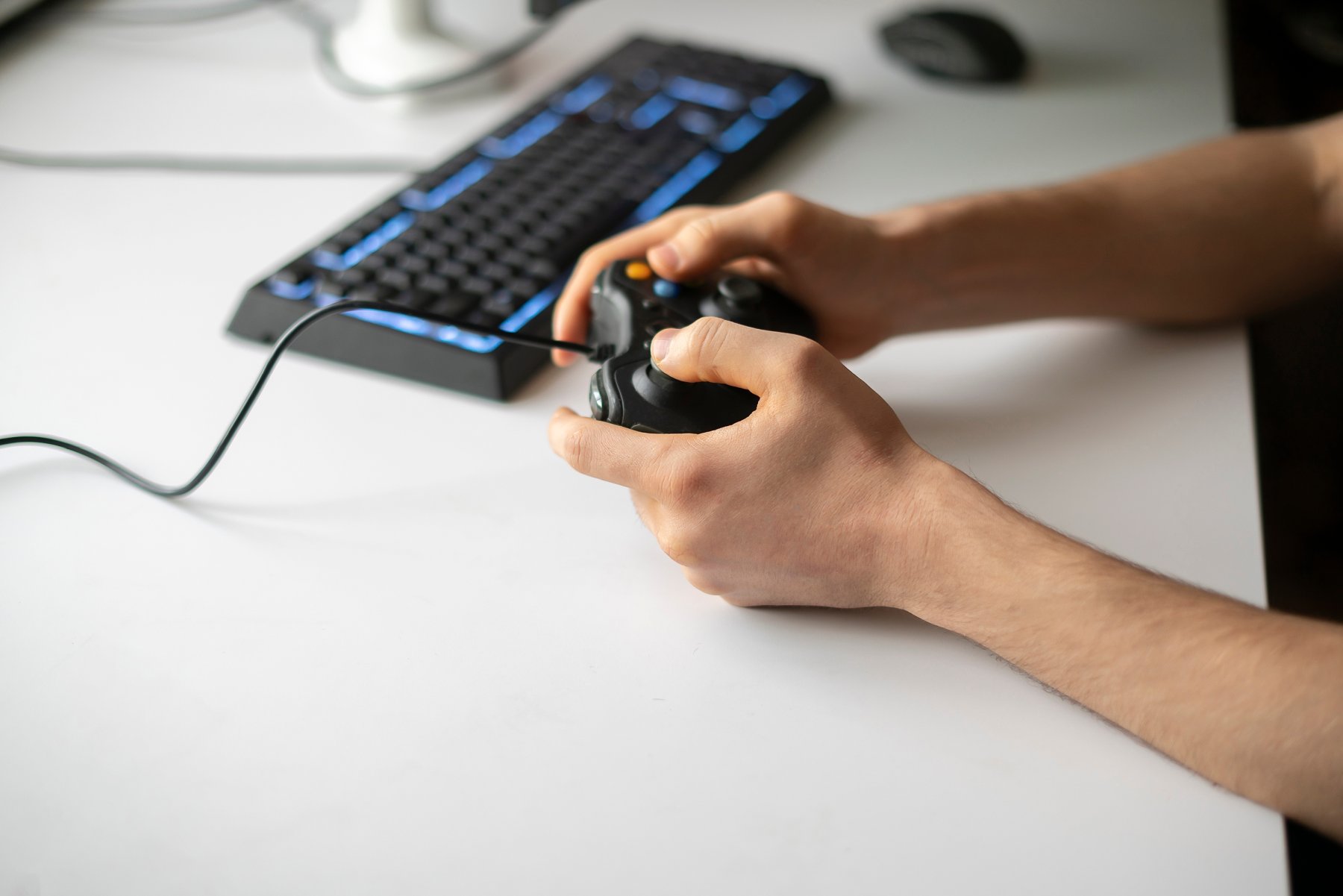
Many children and adolescents play video games. Most play in moderation, but some become obsessed with gaming. This can lead to neglecting homework, staying up all night, and avoiding social interactions. Caregivers often worry about the amount of time their children spend on screens and their resistance to reducing screen time. This intense involvement can interfere with other activities, leading to withdrawal, depression, and even suicidality. Caregivers may need to address these concerns to help their children balance gaming with other aspects of life.
What is typical?
Playing video games is a common activity for many children and teens. It is important to know what is typical as children grow. Most children can enjoy games without them becoming a problem. They learn to balance game time with school, friends, and family.
Here is what you might see with traditional games at different ages:
–By age 3: Children may enjoy simple games with bright colors and sounds.
–Between ages 4 and 5: Kids start playing games that involve basic problem-solving skills.
–By age 6: Children can play games that require simple strategies and teamwork.
–By ages 7-8: Kids begin to enjoy games with more complex rules and narratives.
–By age 9: Children can play games that involve planning and decision-making.
–By ages 10-11: Kids often play games that require quick thinking and coordination.
–By ages 12-14: Adolescents may play games that involve advanced strategies and social interactions.
Here is what you might see with video games at different ages:
–Between ages 3 and6: Young children may be engaged with phone or tablet animated games that involve different aspects of skills development, such as tracing shapes, colors, letters, numbers, word reading, spelling, and counting. They usually play for short times.
–By ages 6-8: Kids continue with learning focused games with rewards or prizes. Schools may incorporate these games to provide additional learning.
–By ages 9-11: Children might play more complex games on phones, tablets, computers or gaming consoles. They may enjoy games they can play with friends. They start to understand game rules and strategies. They might ask to play for longer.
–By ages 12-14: Older kids often play a wide variety of games, including online games with many players. Games can be a big part of how they talk to friends. They may be very skilled at games. It is typical for them to want to spend some time gaming, but it should not take over their lives. It is normal for children to enjoy games. Games can help them learn and make friends. But it is important that games are just one part of their life.
Gaming can be a healthy part of development when balanced with other activities. It’s important for caregivers to ensure that gaming does not interfere with homework, sleep, and socializing in person.
When should I be concerned?
It is normal for children to enjoy playing games. But sometimes, their gaming habits can become a problem. You might worry if playing games starts to take over your child’s life. It is important to know what signs to look for. These signs can show that your child might need help with their digital addictions, gaming.
You should be concerned if your child:
-Playing games too much:They spend so much time gaming that they do not do other important things. This includes things like homework, playing outside, or spending time with family.
-Cannot control their gaming:They try to play less but cannot. They might play much longer than they planned to.
-Losing interest in other fun things:They stop enjoying hobbies or activities they used to like because they only want to play games.
-Still playing even when it causes problems:They continue to game even if it hurts their school grades, their health, or their friendships.
-Getting very upset about gaming rules:They get very angry or sad if they have to stop playing or cannot play. They might argue a lot about game time.
-Hiding their gaming:They lie about how much time they spend playing games or what games they play.
-Using games to escape bad feelings:They play games to feel better when they are sad, worried, or stressed.
-Choosing games over people:They would rather play games than be with friends or family. They might prefer talking to people in games more than people in real life.
-Does not sleep enough:They stay up late or wake up early to play games, so they are often tired.
-Does not take care of themselves:They might forget to eat or shower because they are gaming.
If these things happen for a long time and make life hard for your child or your family, it is a good idea to get help.
What can I do to help?
As a caregiver, you can support your child by setting healthy gaming habits.
Here are some strategies:
1.Set clear limits: Define specific gaming times and stick to them. Ensure gaming does not replace homework or chores.
2.Encourage breaks: Promote regular breaks from screens, like going outside or engaging in other activities.
3.Monitor game content: Know which games your child is playing and ensure they are age-appropriate.
4.Create a balanced schedule: Help your child balance gaming with other activities, like sports and hobbies.
5.Promote socializing: Encourage your child to spend time with friends in person.
6.Use positive reinforcement: Reward your child for spending time on non-gaming activities.
7.Communicate openly: Talk with your child about their gaming habits and listen to their concerns.
Where to find
more information
Find out how Brazil’s public health system (SUS)
supports the mental health of children and adolescents
What did you
think of the guides?
Tell us what you think of the guides! Your feedback can help us improve them. Is there a topic you’ve been looking for and haven’t found?