




Domestic violence
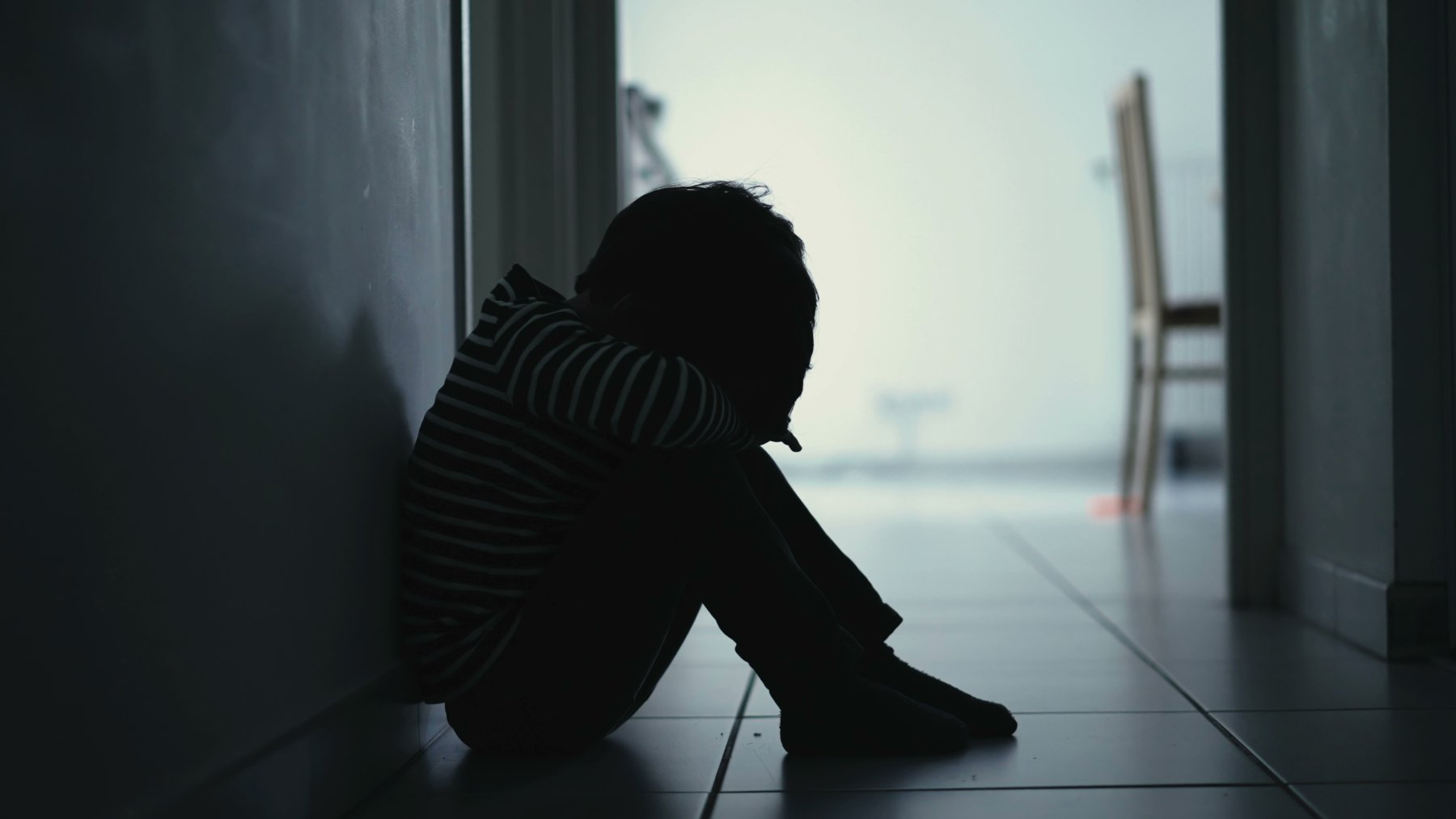
Domestic violence is a serious problem that happens in families or when people are in a close relationship. It is when one person tries to have power and control over another person. This can happen to anyone, no matter their age, race, or how much money they have.
Domestic violence is not just hitting. It can be hurting someone’s body, like pushing or slapping. It can be hurting someone’s feelings, by yelling, calling names, or making threats. It can also be controlling money or stopping someone from seeing friends and family. It is important for caregivers to know about domestic violence so they can help keep children and others safe.
Understanding domestic violence
Domestic violence is a pattern of behavior used by one person to control another person in a relationship. It can happen between partners, parents and children, or other family members. It is never okay, and it is not the victim’s fault. Here are some ways domestic violence can look:
–Physical abuse. This is when someone uses their body or objects to hurt another person. Examples are hitting, kicking, choking, pushing, or throwing things.
–Emotional abuse. This is when someone says or does things to make another person feel bad about themselves. This can be yelling, name-calling, insulting, constantly criticizing, or making threats. It can also be trying to make someone feel crazy or confused.
–Controlling behavior. This is when one person tries to control what the other person does, who they see, or where they go. They might check their phone, tell them what to wear, or stop them from working or going to school.
–Financial abuse. This is when someone controls the other person’s money. They might take their money, stop them from getting a job, or make them ask for money for everything.
–Threats and intimidation. This can be making someone afraid by using looks, actions, or gestures. It can also be threatening to hurt them, their children, pets, or themselves if the person tries to leave.
–Sexual abuse. This is forcing someone to do sexual things they don’t want to do.
When should I be concerned?
It can be hard to know if someone is experiencing domestic violence. People often try to hide it. Here are some signs you might see in a child or an adult:
Signs in children:
–Changes in behavior. They might be more sad, angry, quiet, or scared than usual.
–Trouble sleeping or bad dreams. They may have nightmares or be afraid to sleep alone.
–Acting out. They might get into fights more, have trouble in school, or not listen to rules.
–Physical signs. They might have bruises or injuries they can’t explain.
–Being jumpy or nervous. They might seem scared of loud noises or sudden movements.
–Copying abusive behavior. They might hit or bully other children.
–Worrying about a parent or caregiver. They might seem overly anxious about a parent’s safety or mood.
Signs in adults:
–Unexplained injuries. They might have bruises, cuts, or other injuries and give vague explanations.
–Pulling away from friends and family. They might stop seeing people they used to enjoy spending time with.
–Seeming scared of their partner. They might be very careful about what they say or do around their partner.
–Their partner controls them. Their partner might check their phone, tell them what to do, or control their money.
–Low self-esteem. They might say bad things about themselves or feel worthless.
–Changes in personality. They might seem more anxious, depressed, or less confident than before.
–Making excuses for their partner’s behavior. They might say things like, “It’s my fault,” or “They don’t mean it.”
What can I do to help?
If you are worried that someone is experiencing domestic violence, it’s important to be careful and supportive. Here are some things you can do:
1.Listen without judging. If someone tells you about abuse, believe them and listen carefully. Let them know it’s not their fault and they are not alone.
2.Help them know it’s not their fault. Tell them that everyone deserves to be safe and respected in their relationships. Abuse is never okay.
3.Offer to help them find resources. You can help them find phone numbers for local shelters or domestic violence hotlines. Offer to go with them if they need to talk to someone.
4.Help them make a safety plan. If they are in danger, help them think about ways to stay safe. This might include finding a safe place to go or having important papers ready.
5.Focus on the children. If children are involved, remind the person that their safety is important too. Help them think about how to protect the children.
6.Be patient. It can take a long time for someone to leave an abusive situation. Keep supporting them even if they make choices you don’t understand.
7.Take care of yourself. Helping someone in a domestic violence situation can be stressful. Make sure you have support for yourself too.
Where to find
more information
Find out how Brazil’s public health system (SUS)
supports the mental health of children and adolescents
What did you
think of the guides?
Tell us what you think of the guides! Your feedback can help us improve them. Is there a topic you’ve been looking for and haven’t found?