




Enuresis
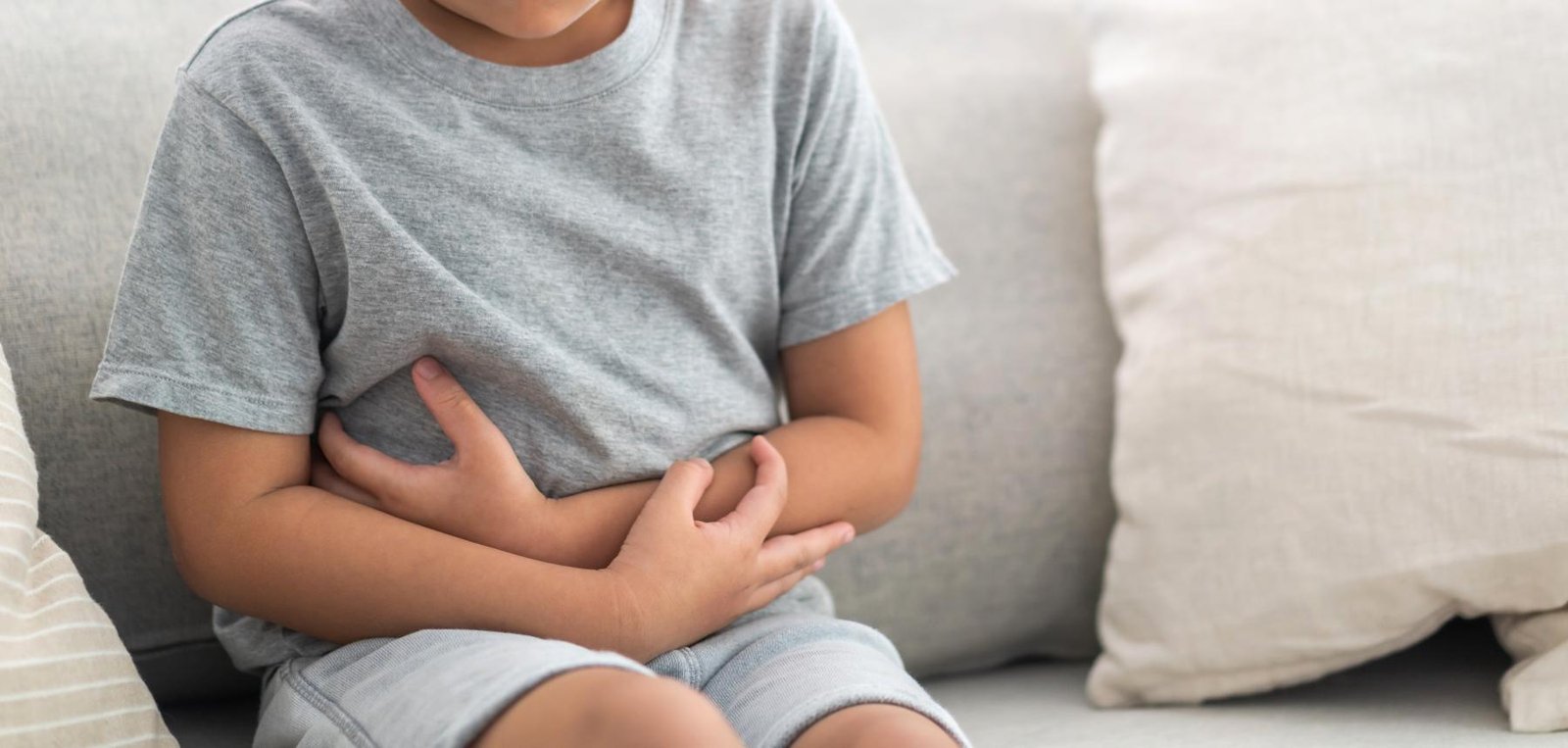
Enuresis is a disorder where a child repeatedly wets their bed or clothes, either during the day or night. For most kids, this happens without them meaning to, but sometimes it can be on purpose. Some children with Enuresis might not notice or forget that they need to use the bathroom or realize it too late. While most kids outgrow Enuresis by their teenage years, it can be very embarrassing for them and may cause frustration and stress in the family.
What are the symptoms of Enuresis?
The main sign that a child has Enuresis is regularly wetting their clothes or bed at age 5 or older (younger kids often have poor bladder control). The frequency of a child’s urination causes problems at school, home, and/or in social settings.
– Enuresis can happen during the day, at night, or both.
– Enuresis can be involuntary or intentional.
– Children who wet the bed at night are often very heavy sleepers.
How is Enuresis diagnosed?
A doctor or child-adolescent psychiatrist will diagnose Enuresis if a child wets themselves at least twice a week for at least three months, and if it causes problems for the child at school or with friends. It is also important for a doctor to check the child to rule out medical problems like a urinary tract infection or diabetes.
Enuresis facts
Worldwide frequency of the condition:
Daytime enuresis occurs in 3.2% to 9.0% of children aged 7, 1.1% to 4.2% of those aged 11 to 13, and 1.2% to 3.0% of those aged 15 to 17. Nocturnal enuresis occurs in 5% to 10% of children aged 5, 3% to 5% of those aged 10, and 1% of adolescents aged 15 and older. Recent international studies indicate slightly higher rates. Currently, there are no representative national data in Brazil.
Gender ratio:
Bedwetting is more common in girls than in boys, with a ratio of about 2:1.
Peak age of onset:
The prevalence of nocturnal enuresis decreases with age (e.g., 20% at 4 years, 10% at 7 years, 1–2% in adolescence, and 0.3–1.7% in adulthood).
What are the associated factors for Enuresis?
Some common factors linked with Enuresis are:
– Genetic and Familial factors: A child is more likely to have Enuresis if their parents had it, especially their father.
– Environmental factors: These include stress and delayed or inconsistent toilet training.
– Medical factors: These include a small bladder, bladder reactivity, lack of vasopressin release during sleep, and delayed development.
What other disorders co-occur with Enuresis?
Most children with Enuresis do not have another mental health disorder, although they may be more likely than their peers to have behavioral difficulties. Also, Enuresis may be the only sign of nighttime seizures. Additionally, children with developmental delays (e.g., speech, language, motor development), encopresis, sleepwalking, or night terrors may experience Enuresis.
How is Enuresis treated?
Most cases of Enuresis are treated with a type of therapy called cognitive-behavioral therapy (CBT), although sometimes medication may be prescribed.
A cognitive-behavioral therapist will work with the child’s family to create a plan to help the child control their bladder. Several approaches include:
– Moisture alarms that wake the child when they start to wet the bed
– Limiting fluid and caffeine intake in the evening
– Encouraging the child to use the bathroom more often
– Rewarding the child for having a dry night
Getting frustrated with the child when an episode happens or embarrassing them in front of others not only increases stress but will not reduce the number of episodes.
A doctor may choose to treat a child’s Enuresis with medicine, although when the child stops taking the medicine, wetting may start again.
– Desmopressin reduces the amount of urine made at night
– Oxybutynin increases bladder capacity and reduces bladder contractions
Medications can have side effects, but they are safe for children to use with proper care from their doctor. A child or teen taking one of these medications should see their doctor regularly, especially if their dosage has recently changed.
References
Clinical description, symptoms, and diagnostic information
– American Psychiatric Association. (2022). Diagnostic and Statistical Manual of Mental Disorders: Fifth Edition Text Revision DSM-5-TR. American Psychiatric Association Publishing, Washington, DC.
– Enuresis or bedwetting: A quick guide. (2021, September 10). _https://childmind.org/guide/enuresis-bedwetting-quick-guide/_
– World Health Organization. (2022, February). ICD-11 for mortality and morbidity statistics. 6C00 Enuresis. _https://icd.who.int/browse11/l-m/en#/http://id.who.int/icd/entity/1157749237_
Facts
– American Psychiatric Association. (2022). Diagnostic and Statistical Manual of Mental Disorders: Fifth Edition Text Revision DSM-5-TR. American Psychiatric Association Publishing, Washington, DC.
– Ferrara, P., Franceschini, G., Bianchi Di Castelbianco, F., Bombace, R., Villani, A., & Corsello, G. (2020). Epidemiology of enuresis: A large number of children at risk of low regard. Italian Journal of Pediatrics, 46(1), 128. _https://doi.org/10.1186/s13052-020-00896-3_
– De Sousa, A., Kapoor, H., Jagtap, J., & Sen, M. (2007). Prevalence and factors affecting enuresis amongst primary school children. Indian Journal of Urology, 23(4), 354. _https://doi.org/10.4103/0970-1591.36703_
– Mohammadi, M., Vaisi Raiegani, A. A., Jalali, R., Ghobadi, A., & Salari, N. (2019). The Prevalence of Nocturnal Enuresis among Iranian Children: A Systematic Review and Meta-Analysis. Urology Journal, 2019: Instant. _https://doi.org/10.22037/uj.v0i0.5194_
– Institute for Health Metrics and Evaluation (IHME). (2019). GBD Compare Data Visualization. Seattle, WA: IHME, University of Washington, Available from _http://vizhub.healthdata.org/gbd-compare_. (Accessed 11/15/2022)
– Kendler, K. S. (2013). What psychiatric genetics has taught us about the nature of psychiatric illness and what is left to learn. Molecular Psychiatry, 18(10), 1058–1066. _https://doi.org/10.1038/mp.2013.50_
– Solmi, M., Radua, J., Olivola, M., Croce, E., Soardo, L., Salazar de Pablo, G., Il Shin, J., Kirkbride, J. B., Jones, P., Kim, J. H., Kim, J. Y., Carvalho, A. F., Seeman, M. V., Correll, C. U., & Fusar-Poli, P. (2022). Age at onset of mental disorders worldwide: Large-scale meta-analysis of 192 epidemiological studies. Molecular Psychiatry, 27(1), 281–295. _https://doi.org/10.1038/s41380-021-01161-7_
– von Gontard A. Enuresis (2012). In Rey J.M. (ed.), IACAPAP e-Textbook of Child and Adolescent Mental Health. Geneva: International Association for Child and Adolescent Psychiatry and Allied Professions.
Associated factors
– American Psychiatric Association. (2022). Diagnostic and Statistical Manual of Mental Disorders: Fifth Edition Text Revision DSM-5-TR. American Psychiatric Association Publishing, Washington, DC.
– von Gontard A. Enuresis (2012). In Rey J.M. (ed.), IACAPAP e-Textbook of Child and Adolescent Mental Health. Geneva: International Association for Child and Adolescent Psychiatry and Allied Professions.
Co-occurring disorders
– American Psychiatric Association. (2022). Diagnostic and Statistical Manual of Mental Disorders: Fifth Edition Text Revision DSM-5-TR. American Psychiatric Association Publishing, Washington, DC.
Interventions
– Correll, C. U., Cortese, S., Croatto, G., Monaco, F., Krinitski, D., Arrondo, G., Ostinelli, E. G., Zangani, C., Fornaro, M., Estradé, A., Fusar‐Poli, P., Carvalho, A. F., & Solmi, M. (2021). Efficacy and acceptability of pharmacological, psychosocial, and brain stimulation interventions in children and adolescents with mental disorders: An umbrella review. World Psychiatry, 20(2), 244–275. _https://doi.org/10.1002/wps.20881_
– Peng, C. C.-H., Yang, S. S.-D., Austin, P. F., & Chang, S.-J. (2018). Systematic Review and Meta-analysis of Alarm versus Desmopressin Therapy for Pediatric Monosymptomatic Enuresis. Scientific Reports, 8(1), 16755. _https://doi.org/10.1038/s41598-018-34935-1_
– Ramakrishnan, K. (2008). Evaluation and treatment of enuresis. American Family Physician, 78(4), 489–496.
Where to find
more information
Find out how Brazil’s public health system (SUS)
supports the mental health of children and adolescents
What did you
think of the guides?
Tell us what you think of the guides! Your feedback can help us improve them. Is there a topic you’ve been looking for and haven’t found?