




Feeling very afraid or panicking all of a sudden for no reason
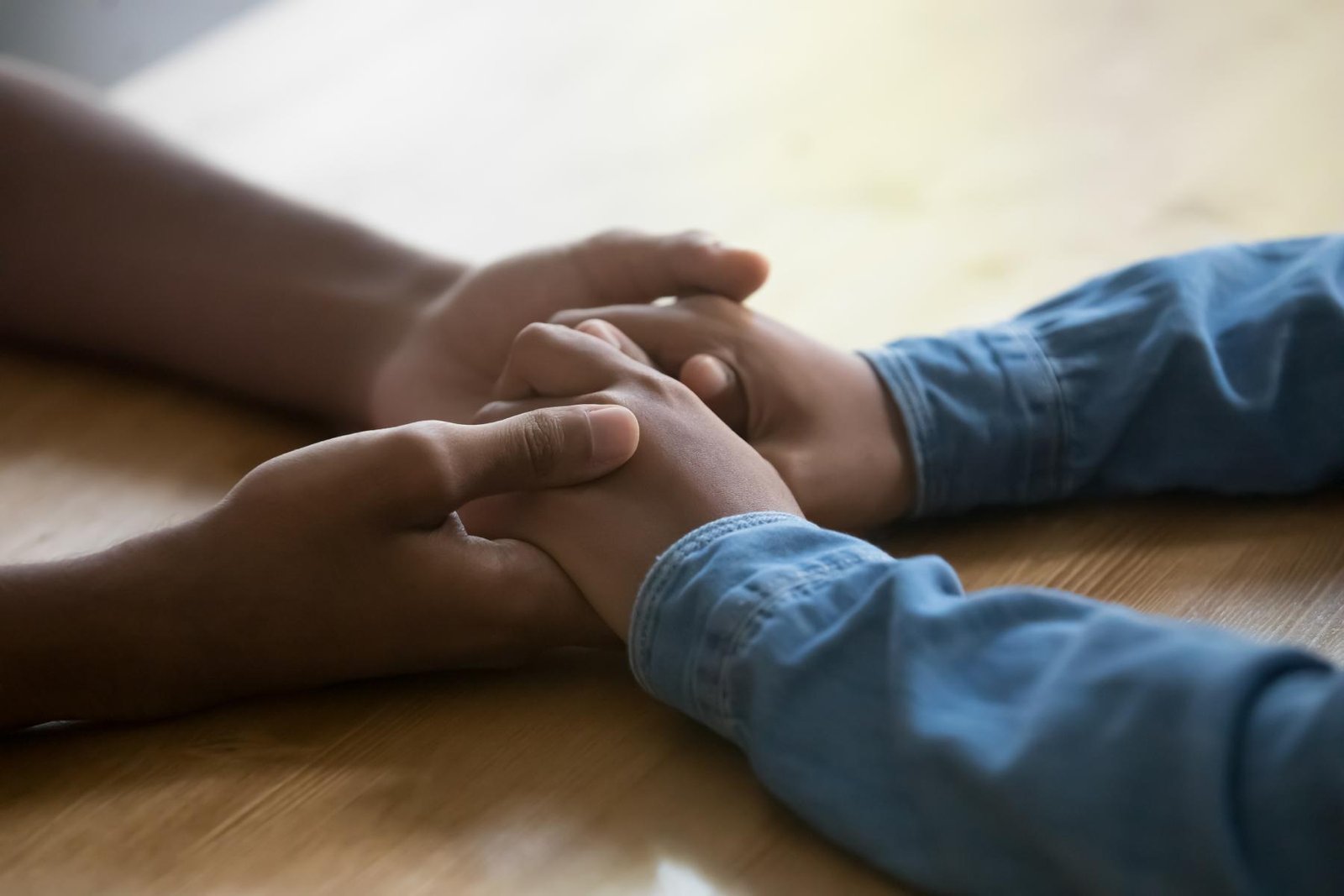
Panic attacks can be very scary. They happen when someone suddenly feels a lot of strong physical symptoms like a racing heart, sweating, shaking, dizziness, trouble breathing, and feeling sick. During a panic attack, people might think something awful is happening, like they are dying, going crazy, or losing control
In children and adolescents, this may be associated with a fear of going to school, difficulty participating in activities, or withdrawal from friends, even if they cannot explain exactly why.
What is typical?
Feeling fear in dangerous situations is a natural and healthy reaction. Our bodies have a natural alarm system that helps us deal with emergencies. But, when kids and teens have panic attacks, their alarm goes off even if there isn’t a real problem.
Panic attacks can happen in certain situations, but they can also come out of nowhere. Many kids and teens describe them as feeling like the room is closing in, they cannot breathe, or they are about to die. Panic attacks can include:
- Feeling like something terrible is about to happen
- Feeling the need to escape
- Fast heartbeat
- Sweating
- Shaking
- Trouble breathing or feeling smothered
- Feeling like choking
- Chest pain or discomfort
- Feeling dizzy or lightheaded
- Feeling like things are unreal
- Fear of losing control or “going crazy”
- Fear of dying
- Tingling sensations in the body
- Chills or hot flashes
Most kids and teens only have one panic attack. But sometimes, just having one can make them worry about having more, causing them to avoid certain places or activities.
When should I be concerned?
You should be concerned if a child has panic attacks often or if they start to avoid things because they are scared of having another one. This fear can make them pay extra attention to these feelings and think they are signs of another attack coming. This worry leads to more anxiety, making them more likely to have more attacks, creating a cycle.
Here are some signs to watch for:
- Sudden fear or upset: Your child feels very scared or upset without knowing why.
- Physical symptoms: They feel their heart beating fast, shaking, sweating, or have trouble breathing.
- Losing control: They feel like they are losing control of what they think or do during a panic attack.
- Breathing problems: They feel like they cannot breathe, might faint, or die during a panic attack.
- Unreal feelings: They feel like things around them are not real or like in a dream.
- Worry about attacks: They worry about having another panic attack.
- Avoidance: They avoid places, activities, or being alone because they fear having a panic attack.
Panic attacks, even when they seem brief, can have a profound emotional and physical impact. The sooner support is offered, the greater the chance of breaking the cycle of fear.
What can I do to help?
Parents and caregivers know their kids best. Here are some things you can do to help a child during a panic attack:
- Avoid reinforcing physical complaints.Do not rush to the emergency room or measure their pulse or blood pressure.
- Help your child breathe deeply.Ask your child to look at you and take slow, deep breaths. Speak calmly and softly.
- Stay calm and reassure your child.Children look to adults for comfort. Tell them that the bad feelings will pass. Acknowledge that what they’re feeling is real and very uncomfortable, but that it doesn’t pose an immediate danger.
- Help your child feel safe.A touch, cuddle, hug, or just a reassuring pat on the back can help.
- Distract from anxious thoughts.Get your child to think about a happy place or ask them to look around and tell you what they see. Help them observe the room, the colors and shapes of objects.
- Find relaxing activities.Help your child relax with a warm bath, gentle stretches, or even some light exercises.
- Talk to your child.After they are calm, ask simple questions to understand what’s bothering them. Listen before trying to solve their problems.
- Avoid unhelpful phrases.Avoid saying things like “it’s nothing” or “calm down,” as this can increase the feeling of being misunderstood.
What kind of professional support can I seek out?
Sometimes, caregivers feel bad if their child has panic attacks. But help is available.
Talk to your child’s pediatricianor family doctor. They can refer you to other specialists, such as mental health professionals. Mental health professionals can help both the child and the caregivers. They can work with you to support your child at home and in therapy.
You can also find free support through the Unified Health System (SUS). Care often begins at your local Basic Health Unit (UBS). Other services include Child and Adolescent Psychosocial Care Centers (CAPS i), specialty centers, and clinics at university hospitals.
Where to find
more information
Find out how Brazil’s public health system (SUS)
supports the mental health of children and adolescents
What did you
think of the guides?
Tell us what you think of the guides! Your feedback can help us improve them. Is there a topic you’ve been looking for and haven’t found?