




Writing difficulties
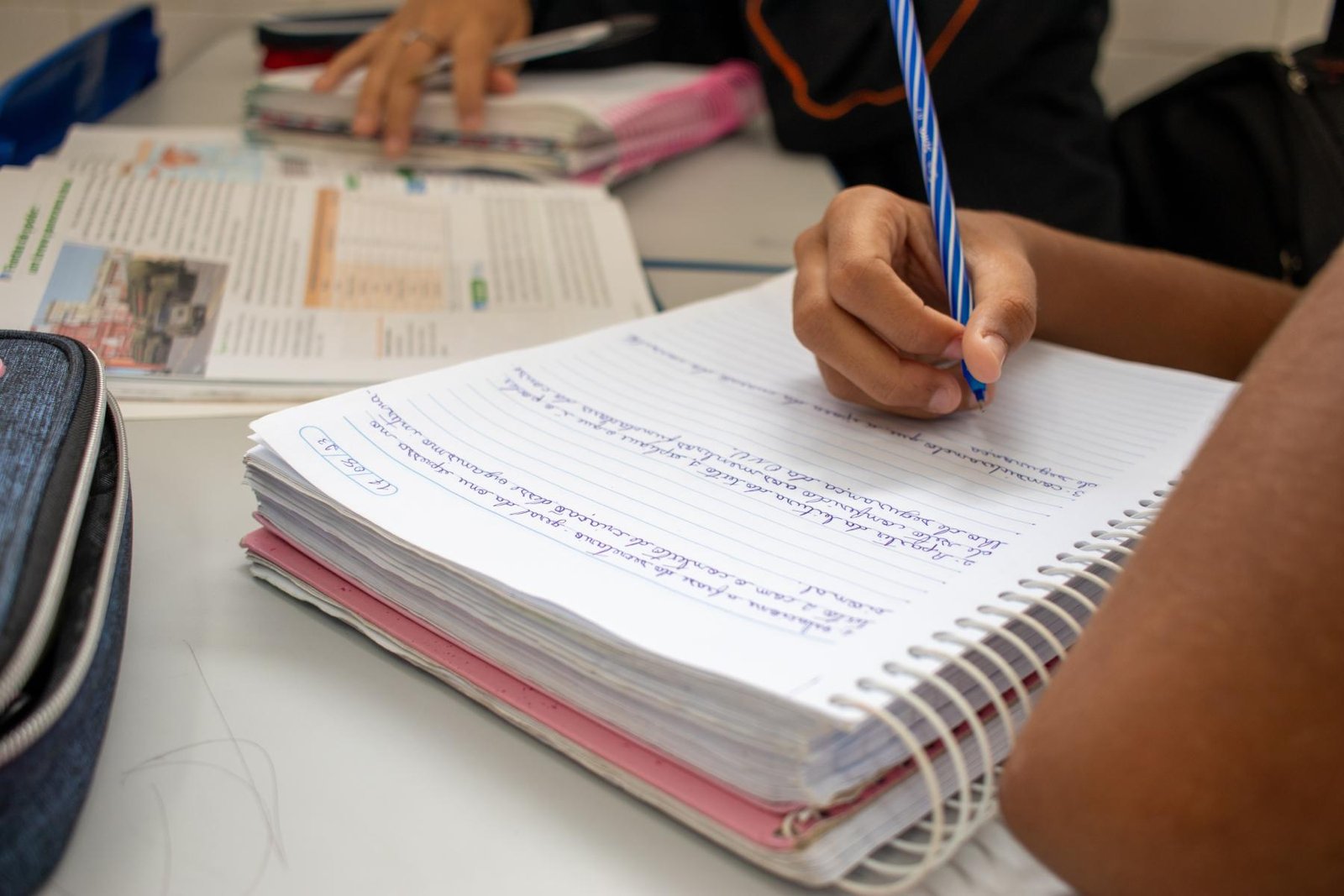
Have you ever tried really hard to write an essay, but it still felt all mixed up? Does it feel like your ideas get disorganized, or that your pen or pencil weighs a ton?
Writing is a complex skill that involves many smaller skills like holding a pencil, forming letters, spelling, and organizing ideas. Many students learn to write easily, but some have a hard time. If you or your friends struggle with writing, it might be due to writing difficulties. These challenges can affect the physical act of writing or expressing thoughts in writing, or both.
It’s important to know that these problems are not because of low intelligence, lack of effort, or poor teaching. Sometimes, the brain just processes language and written expression differently. With the right support and strategies, you can improve your writing skills and succeed in school.
What is typical?
Writing is a skill that develops over time, and everyone learns at their own pace. Here’s what you might expect to see as students grow:
- By age 3: You might start scribbling and copying some letters.
- Between ages 4 and 5: You may begin to write some letters, especially those in your name, and simple words.
- By age 6: You can usually write most letters, your name, and simple sentences.
- By age 7: You might write short stories and start using punctuation.
- By ages 8-9: Your writing becomes more organized and detailed, and you start using different styles for different purposes.
- By ages 10-11: You can write longer, more complex stories and essays, and understand grammar rules better.
- By ages 12-14: You can write in various styles for different audiences and revise and edit your work more effectively.
These milestones are typical, but everyone is different. If you notice that writing is harder for you or your friends, it might be helpful to look for ways to improve. Writing should help you express yourself, not be a barrier.
When should I be concerned?
Sometimes, writing can be more challenging than usual, and that’s okay. But if you or your friends find writing extremely difficult, it might be a sign of writing difficulties. Here are some things to watch for:
- Trouble forming letters: Letters might be hard to form, not the same size, or not spaced correctly.
- Awkward pencil grip: You might hold the pencil in a way that feels uncomfortable or grip it too tightly.
- Writing fatigue: Writing might make your hand tired or hurt.
- Spelling problems: You might leave out or add letters when spelling words.
- Grammar and punctuation errors: You might make frequent mistakes in grammar and punctuation.
- Difficulty organizing ideas: You might have great ideas but find it hard to put them in order on paper.
- Slow writing speed: You might write slower than your classmates.
If you notice these signs are making it hard to complete tests and assignments, or even making you want to give up, it’s worth seeking support. You’re not alone, and there are ways to make writing easier and more enjoyable.
What can I do if I (or a friend) struggle?
If you’re having trouble with writing, there are things you can do to help yourself. First, don’t blame yourself. You’re not alone. Many people struggle with writing, and with help, they learn to cope. Here are some ideas:
- Practice regularly: Set aside time each day to practice writing, like in a journal, making lists, or sending messages. This can help you get more comfortable with it.
- Use graphic organizers: Try using mind maps or outlines to organize your thoughts before writing.
- Break tasks into steps: Divide big writing tasks into smaller parts to make them easier to handle.
- Try different writing tools: Experiment with different pens or pencils to find what feels best for you.
- Read more: Reading can help you see how others write and give you ideas for your own writing. It could be a book, a comic, or even video subtitles on topics that interest you.
- Ask for feedback: Share your writing with friends or family and ask for their thoughts.
- Stay positive: Focus on your progress and celebrate small successes and your effort.
These strategies can help you improve your writing skills and feel more confident.
What kind of professional support can I seek out?
If you’ve been struggling with writing for a while, it’s a great idea to ask for help. Getting support early can make a big difference for your learning and self-esteem.
A great place to start is by talking to a trusted teacheror school counselor. They can listen to what’s going on and help you find resources at school, like tutoring or other support. They might also suggest talking to other professionals. For example, a psychopedagoguecan help you find new ways to learn and write more easily, while a speech-language pathologistcan help with connecting sounds to letters and organizing words.
You can also talk to a doctor, like your pediatrician, a general practitioner, or a professional at your nearest Basic Health Unit (UBS). They can listen, understand what’s happening, and if needed, refer you to other specialists like a psychologistor psychiatrist.
Remember, asking for help is a sign of strength, not weakness. It’s an important step, and you don’t have to go through this alone. You don’t need to “write perfectly.” You just need to find your way to express yourself and be understood—and that’s totally possible with the right support
Where to find
more information
Find out how Brazil’s public health system (SUS)
supports the mental health of children and adolescents
What did you
think of the guides?
Tell us what you think of the guides! Your feedback can help us improve them. Is there a topic you’ve been looking for and haven’t found?