




More Than Talk: Young Peacebuilders Create Spaces for Emotional Growth at School
Being part of the Young Peacebuilders organization and taking part in the SNF Global Center for Child and Adolescent Mental Health at the Child Mind Institute’s training to develop mental health modules in Brazil, showed us that schools can do much more for our mental health than simply talking about it. Schools can create real spaces for support, belonging, and emotional growth.
It all started with a Sports Club, which engaged over 70 students in volleyball and basketball. Our school already valued sports, but the club brought a new kind of energy. Sports practices became a safe space to release stress. We were not only training our bodies but also strengthening our connections with others. We learned to trust, to cheer, and to show up for one another—both in victory and defeat.
Then came the Theater Club, a creative space that allowed more than 100 students to explore and express themselves. We saw classmates who had once been too shy to speak in class step onto the stage with confidence and joy. Theater became a space where it was okay to make mistakes, improvise, and laugh freely. That sense of freedom had a meaningful impact on our self-esteem and sense of identity.
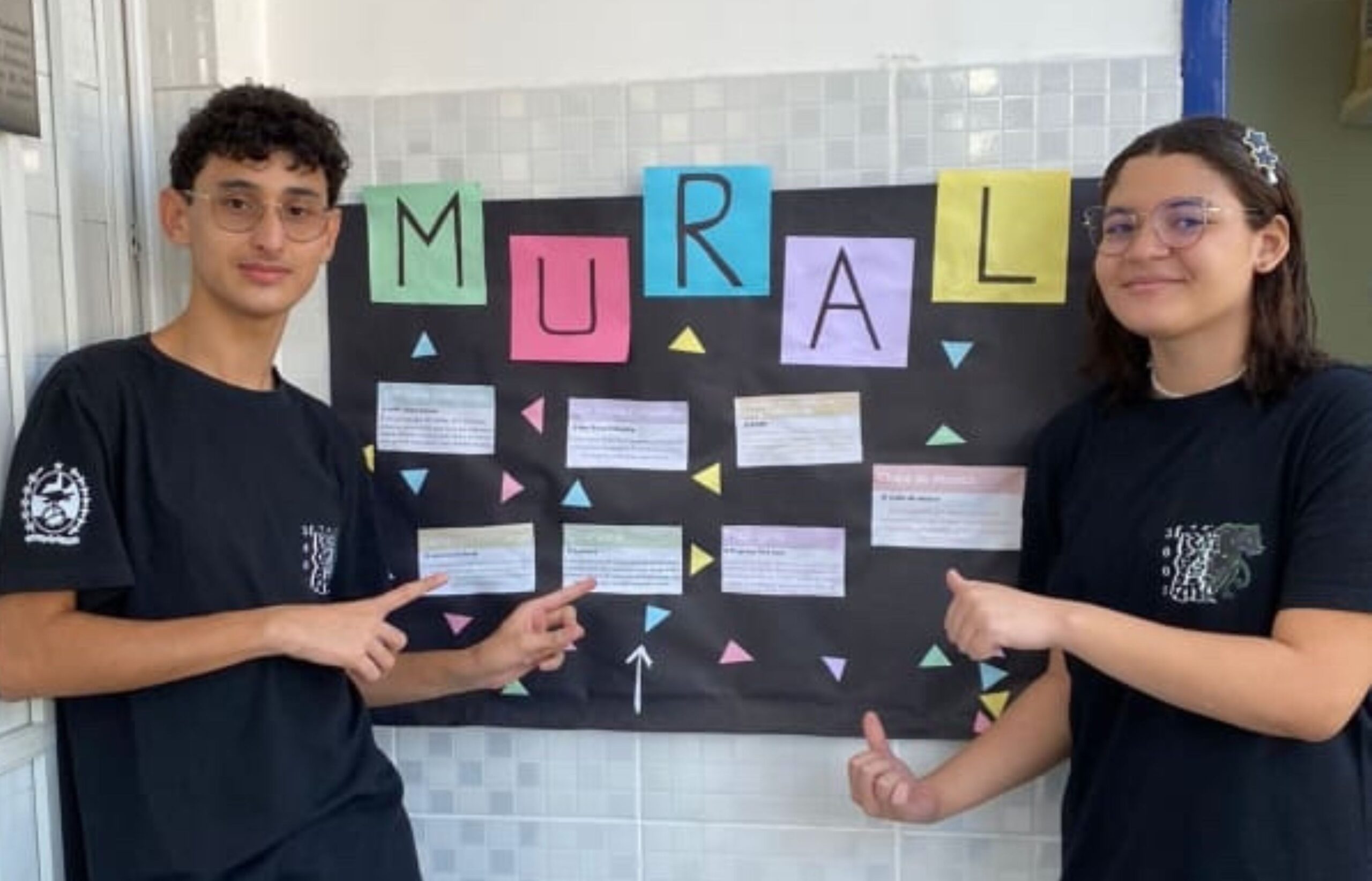
We also created the Opportunity Wall, which initially seemed like a simple bulletin board but gradually became a source of inspiration. We used it to share information about academic competitions, exchange programs, and international projects. Seeing students stop in the hallway to read the flyers and imagine new possibilities made it clear that hope for the future is a powerful tool for mental wellbeing.
We also ran a donation campaign, during which we collected food and diapers. What touched us most, however, was visiting a nursing home. We not only brought supplies, but also conversation, laughter, and connection. That experience reminded us that when we give time and presence to others, we also care for ourselves. Giving back helped us feel that we mattered and that we could make a difference.
“When we give time and presence to others, we also care for ourselves”
In the end, we learned that caring for youth mental health starts with listening, creating space, and taking action. Being a young leader is not about titles or recognition. It is about noticing when something needs to change, bringing people together, and having the courage to act. In that process, we begin healing as well.
About the authors
Gilmar Suzula Faber Junior is an 18-year-old student from Nova Iguaçu, Rio de Janeiro, Brazil, and a recent graduate of Colégio Estadual Professora Venina Corrêa Torres, a public high school. Passionate about science and theater, he enjoys spending time with friends and playing volleyball.
Maria Eduarda de Lima Souza is a 17-year-old high school student from Nova Iguaçu, Rio de Janeiro, Brazil. She plays volleyball and track and enjoys racing, reading, and cooking with friends and family.
About Young Peacebuilders
Young Peacebuilders is a youth-led organization that helps students create a culture of peace and wellbeing in their schools—through things like dialogue, empathy, and leadership. The Stavros Niarchos Foundation (SNF) Global Center for Child and Adolescent Mental Health at the Child Mind Institute teamed up with them to co-create mental health modules built specifically for peer-to-peer support. Those modules became the foundation for school-based activities and gave students like Junior and Eduarda a guide as they developed their own initiatives. Both were active participants in the training, and today they’re powerful examples of what young people can do when they’re given the right tools and opportunities to lead.
Our Voices
April 20, 2026Do you have a story
or experience about
mental health that
could inspire others?
We’d love to hear your voice!
Share your story with us for a chance to be featured and help others feel less alone.