




Student from Northeastern Brazil Wins First Prize with Project on Conscious Use
of Social Media
Story originally published in Galileu magazine on March 30, 2026
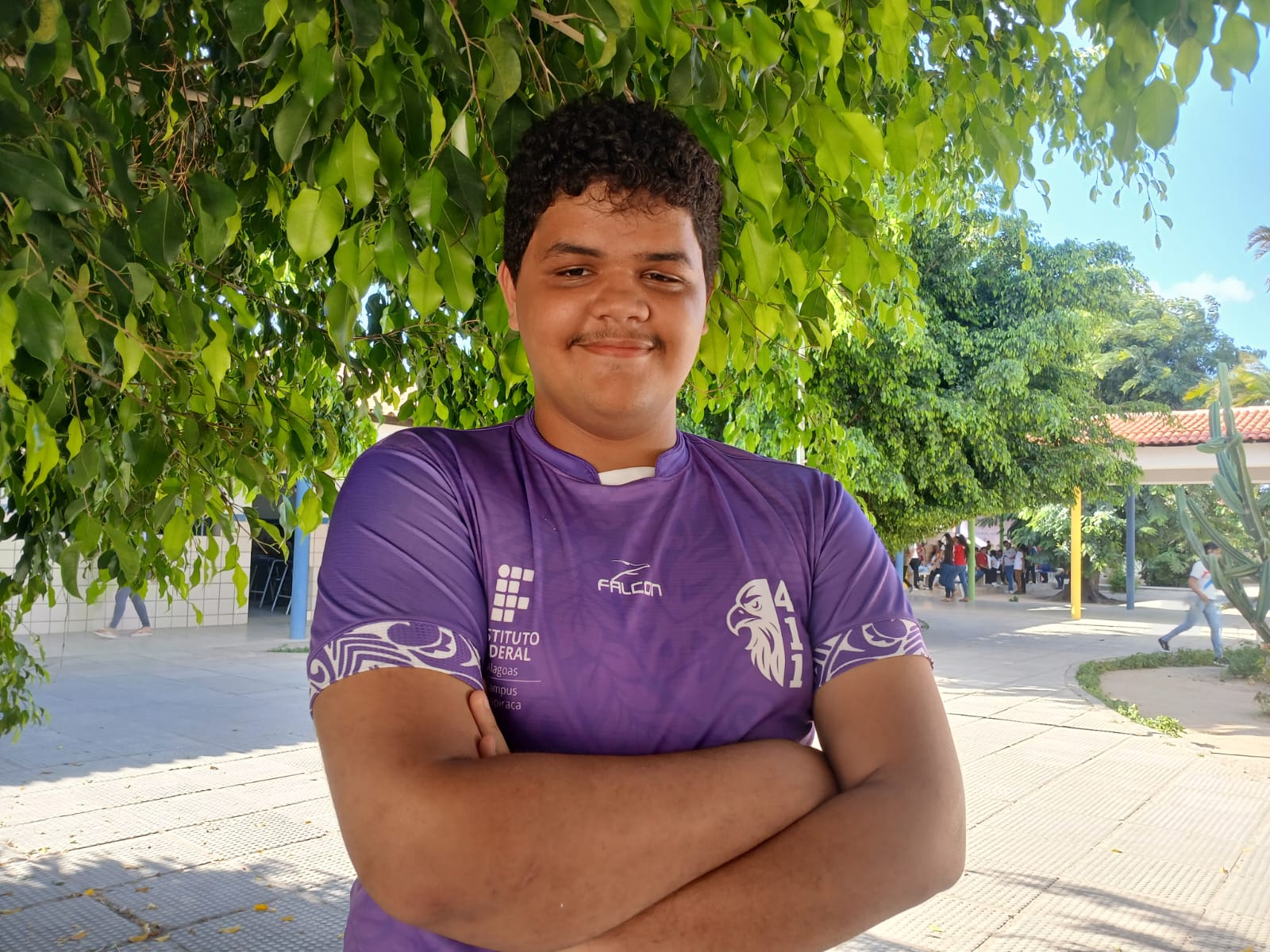
During the Covid-19 pandemic, João Marcos Almeida dos Santos, 18, spent hours immersed in his phone, splitting his attention between games, online trends, and the constant flow of social media. This habit began to affect his sleep, mood, and personal relationships — an experience that would later inspire “Libélulas” (Dragonflies), a project aimed at rethinking the way young people engage with the internet.
João Marcos’s project submission won the “Bem na Rede: Competition for Healthy Technology Use” contest, which announced its three winners on World Youth Day, which is celebrated every March. For the winning submission, the young man received a prize of R$5,000.
The competition brought together Brazilian youth aged 16 to 20 to develop short digital mental health interventions focused on the healthy use of technology. The initiative was organized by Juntô, the Brazil initiative of the Stavros Niarchos Foundation (SNF) Global Center for Child and Adolescent Mental Health at the Child Mind Institute, in partnership with the Instituto Felipe Neto.
“Young people’s capacity for achievement is often underestimated, but this selection process proved otherwise: when given the opportunity to create, they deliver excellence,” says Carolina Costa, the country manager of the SNF Global Center.
Mental Health on Social Media
In the competition, participants were challenged to create a website following the Single Session Intervention (SSI) model. The platform was meant to offer users a quick and accessible experience that, in a single 10-minute session, would encourage reflection and practical changes in their relationship with the digital environment. The goal is to foster concrete behavioral changes and expand mental health awareness.
The SSI is a support and care alternative for those who don’t have the time or financial means to maintain long-term therapy sessions. While it does not replace ongoing therapy, the SSI is evidence-based and has proven effective in promoting relief, reflection, and immediate action around a specific problem.
To develop their projects, participants did not need any programming knowledge. The idea was to use the Curious platform, from the American non-profit Child Mind Institute, to build websites using simple tools such as forms or presentations — where questions and audiovisual elements like images and videos could be inserted.
“The proposals were technically evaluated by specialists in Single Session Interventions and user experience (UX), and also reviewed by other young people who assessed the likelihood of the project being adopted by youth. The requirement for scientific evidence was a distinguishing factor, ensuring that finalists presented solid strategies,” says Costa.
The projects were developed based on the participants’ own experiences in the digital environment, addressing recurring themes of the current generation, such as self-esteem, emotional regulation, media literacy, and limits on internet use.
The Flight of the Dragonflies
The winning project, “Libélulas,” works as an interactive experience that guides users through a series of 34 reflective questions about their relationship with the internet. Along the way, topics such as social media comparison, anxiety, and digital habits are explored, encouraging self-analysis without judgment.
At the end of the intervention, the website generates a personalized report based on the responses, identifying behavioral patterns and suggesting a plan tailored to the user’s routine to make internet use more conscious. The author explains that the name refers to the fact that dragonflies represent “adaptability, change, and transformation.”
Another central aspect of the project is the use of metaphors to guide the user experience. During the questionnaire, the platform uses references such as that of a “pilot,” representing the ability to steer one’s own path in using social media, and “currents,” symbolizing the feeling of being swept along by the flow of social networks. “I chose so many metaphors because I believe they make communication more expressive and help people imagine themselves within their own story, in different environments and life contexts,” he explained in an interview with Galileu.
In addition to his personal experience during the Covid-19 pandemic, the young student from Alagoas participated in other mental health initiatives, which directly influenced the creation of the project. João also reports having witnessed conflicts in school settings related to cell phone use, especially after restrictions on device use in classrooms. For him, mental health challenges among young people are directly linked to the way the current generation grew up connected. “Our generation was one of the first to grow up in a fully digital environment, which intensified issues such as comparison, stress, and anxiety.”
For him, the problem goes beyond screen time. Heavy social media use tends to affect self-esteem and academic performance, and can contribute to feelings of frustration and sadness. The project’s author notes that this behavior can even lead to nomophobia — the fear or distress caused by being without a cell phone. “Sometimes you end up not liking yourself, and it also hurts your studies,” he said.
To learn more about the “Libélulas” project, visit this link.
Next Steps
Already involved in initiatives focused on youth education and emotional well-being, and a member of an international organization that runs campaigns on the topic, João said that following his win he plans to continue working in the field of mental health. As for the prize money, he intends to invest in developing his own project, as well as using it for his studies and future initiatives that create impact.
“Just by having submitted [the project], I think I had already made a difference by contributing to a Brazil where more young people commit to using their phones more safely, without harming themselves or those around them,” he said.
In addition to “Libélulas,” the competition also recognized two other initiatives. “Troca de piloto: Saindo do Automático” (Changing the Pilot: Getting Off Autopilot), by Lindaiane Souza, a 19-year-old from Fortaleza (CE), came in second place, and “Transforme: Algoritmo: A chave para um sonho” (Transform: Algorithm: the Key to a Dream), by Larissa Thomas Martins, a 17-year-old from São José dos Campos (SP), completed the podium. In addition to the R$5,000 prize for the winner, the authors of the other two submissions will receive R$4,000 and R$3,000, respectively.
CAMHI BR in the Media
May 4, 2026Give us your
feedback
Let us know what topics you would like to see on our website